
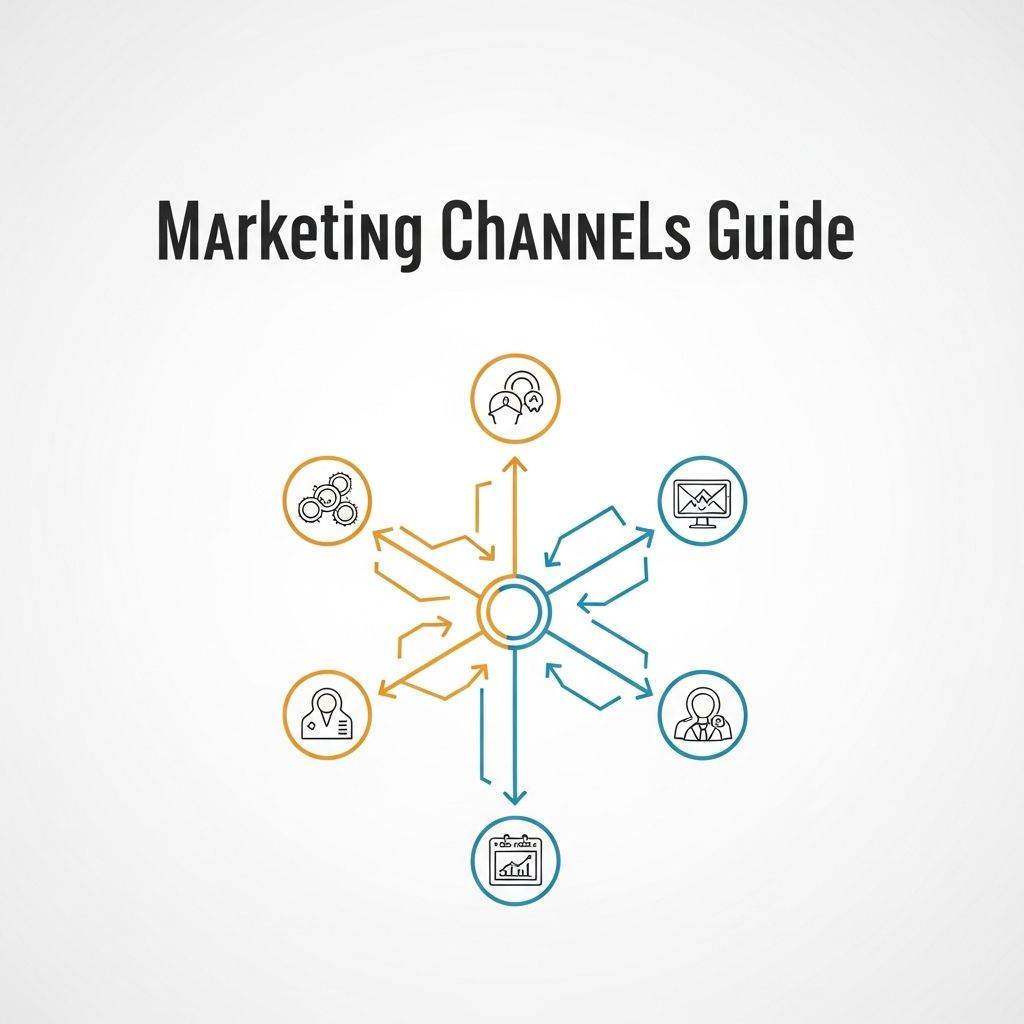
Selecting the right marketing channels is crucial for businesses aiming to reach target audiences effectively and maximize return on investment. This guide examines a range of proven and emerging channels, offering practical insights into their strengths, applications, and integration strategies.
Understanding Marketing Channels
Marketing channels serve as pathways through which businesses deliver messages, products, and services to consumers. They encompass both digital and traditional mediums, each suited to specific audience behaviors, demographics, and campaign goals. The effectiveness of a channel depends on factors like reach, cost, measurability, and alignment with brand objectives.
In the digital age, channels evolve rapidly due to technological advancements and shifting consumer preferences. For instance, AI-powered search tools are transforming how users discover information, prioritizing conversational queries over traditional keyword searches. Businesses must adapt by focusing on content that performs well in summarized, AI-generated responses.
Digital Advertising Platforms
Paid digital ads provide scalable reach and precise targeting. Platforms like Google Ads and Meta enable businesses to appear in search results or social feeds based on user data.
- Search Engine Marketing (SEM): Targets users actively searching for products or services, delivering high-intent traffic.
- Display and Native Ads: Use visuals on websites and apps to build brand awareness through retargeting.
- Paid Social Advertising: Leverages user interests on platforms like Facebook, Instagram, and LinkedIn for demographic precision.
These channels excel in performance tracking, allowing real-time adjustments based on metrics like click-through rates and conversions.
Social Media Engagement Strategies
Social media remains a cornerstone for audience interaction, with short-form video dominating attention spans. Platforms such as TikTok, YouTube Shorts, and Instagram Reels drive virality through authentic, quick-hit content.
Brands succeed by creating series of themed videos that foster recognition, rather than isolated viral attempts. Consistency builds loyalty, turning viewers into advocates.
| Platform | Strengths | Best For |
|---|---|---|
| TikTok | Trend-driven, youthful audience | Entertainment, product demos |
| YouTube Shorts | Search integration, evergreen content | Tutorials, storytelling |
| Instagram Reels | Visual aesthetics, shopping features | Lifestyle, e-commerce |
Emerging trends include shoppable videos and AI-assisted editing, enhancing accessibility for smaller brands.
Email and SMS: Owned Communication Powerhouses
As privacy concerns rise and cookies phase out, owned channels like email and SMS offer reliable, direct access to audiences. These mediums bypass algorithms, ensuring message delivery.
- Automated email sequences nurture leads with personalized content.
- SMS delivers urgent promotions or reminders with high open rates.
- Integration creates omnichannel experiences, such as email follow-ups to SMS alerts.
Maintaining a unified brand voice across these channels reinforces trust and prevents fragmentation.
Emerging Trends: AI and Community Building
AI search optimization is reshaping discovery, with tools like Google’s SGE and Perplexity favoring structured, authoritative content. Brands must optimize for natural language queries to appear in AI summaries.
Community platforms like Reddit, Discord, and Substack prioritize genuine interactions over broadcasts. Engaging in discussions, providing value, and listening to feedback positions brands as trusted participants. Micro-influencer partnerships amplify reach authentically, leveraging niche trust.
Connected TV and Streaming Opportunities
Connected TV (CTV) has overtaken linear TV, offering targeted ads on streaming services. Accessible to mid-sized businesses, CTV uses first-party data for precise viewer matching.
Shoppable CTV ads are set to mainstream, enabling direct purchases during viewing. Integrating CTV with social and YouTube creates cohesive campaigns across screens.
Organic Growth: SEO and Content Marketing
Organic channels build long-term authority without ongoing ad spend. SEO focuses on content relevance and structure to rank in search results.
Combined with social sharing and email, SEO drives sustained traffic. Trends indicate a resurgence in blogging optimized for Answer Engine Optimization (AEO), adapting to AI queries.
Traditional Channels in a Digital World
While digital dominates, traditional methods like print, TV, radio, and events retain value for local or older demographics.
- Print Media: Tangible for industries like real estate or luxury goods.
- Broadcast: Broad reach for mass awareness.
- Direct Mail: High response for personalized offers.
Hybrid approaches, blending offline tracking with digital attribution, maximize impact.
Integrating Channels for Maximum Impact
A multi-channel strategy unifies messaging across platforms, reinforcing brand identity. Data-driven allocation prioritizes high-ROI channels while testing emerging ones.
Key principles:
- Map customer journeys to channel touchpoints.
- Use analytics for cross-channel attribution.
- Ensure visual and tonal consistency.
In 2026, success hinges on agility—adapting to shifts like AI personalization and community-driven trust.
Measuring Success and Optimization
Track KPIs such as engagement rates, conversion funnels, and customer acquisition costs per channel. Tools like Google Analytics and platform dashboards provide insights.
| Channel | Key Metrics |
|---|---|
| Social Media | Engagement rate, shares, follower growth |
| Email/SMS | Open rates, click-through, unsubscribe rates |
| Paid Ads | ROAS, CPC, impressions |
| SEO | Organic traffic, bounce rate, rankings |
Regular A/B testing refines approaches, ensuring sustained performance.
Future-Proofing Your Strategy
Anticipate trends like human-first media, network effects, and culturally fluent campaigns. Invest in first-party data and AI tools for personalization.
Brands prioritizing relevance over volume will thrive, creating compounding loyalty through authentic connections.
Frequently Asked Questions
What are the best marketing channels for small businesses?
Email, social media, and SEO offer cost-effective reach with high measurability.
How has AI changed marketing channels?
AI enhances search, personalization, and content creation, shifting focus to conversational optimization.
Should I use paid or organic channels?
A mix balances immediate results with long-term growth; allocate based on goals and budget.
What role does community play in modern marketing?
Platforms like Discord foster advocacy through genuine engagement.
How do I choose the right channel mix?
Analyze audience data, test performance, and align with objectives for synergy.
References
- The 2026 Digital Marketing Channels You Should Be Investing In — Deksia. 2026. https://deksia.com/blog/the-2026-digital-marketing-channels-you-should-be-investing-in
- What Are the Most Effective Marketing Channels in 2026? — Coursera. 2026. https://www.coursera.org/articles/marketing-channel
- The Five Biggest Digital Marketing Trends in 2026 — Precision Strategies. 2026. https://www.precisionstrategies.com/the-five-biggest-digital-marketing-trends-in-2026/
- 8 top marketing trends I’m seeing in 2026 — Marketer Milk. 2026. https://www.marketermilk.com/blog/marketing-trends-2026
- Top Channel Marketing Trends for 2026 — Zeta Global. 2026. https://zetaglobal.com/resource-center/channel-marketing-trends-2026/
- Kantar Marketing Trends 2026 — Kantar. 2026. https://www.kantar.com/campaigns/marketing-trends

- Integrated M.A. in Applied Linguistics, University of Hyderabad
- 5+ years in editorial, instructional, SEO, and research-based writing
Sneha is a relationships and lifestyle writer with a strong foundation in applied linguistics and certified training in relationship coaching. She brings over five years of writing experience to theskillvault, crafting thoughtful, research-driven content that empowers readers to build healthier relationships, boost emotional well-being, and embrace holistic living. Her writing and insights reflect the belief that beauty, happiness, and wellness…