
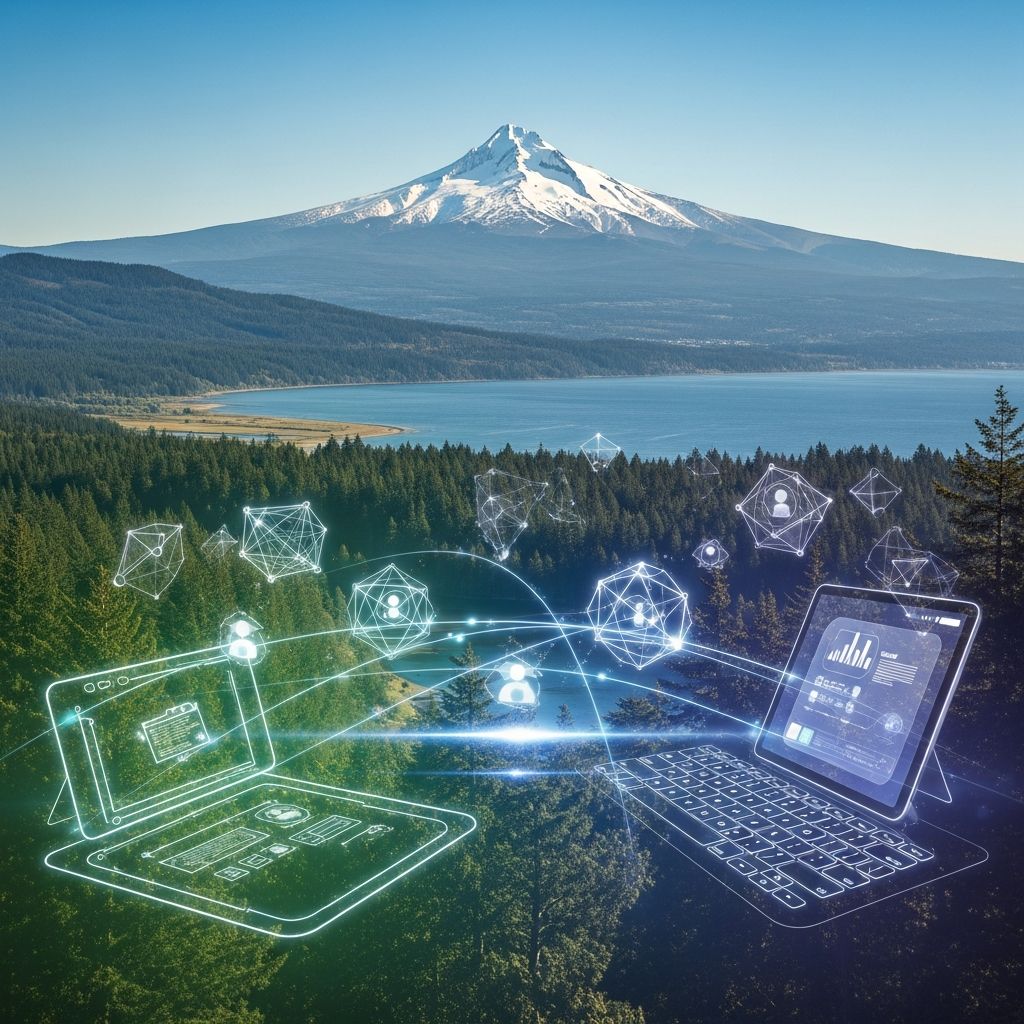
The educational landscape in Oregon has transformed significantly, offering families unprecedented choices in how their children learn. Virtual and online education has evolved from a niche offering into a robust sector with numerous accredited institutions designed to accommodate diverse learning preferences, schedules, and academic needs. Whether a student requires flexibility due to athletics, health considerations, or learning style preferences, Oregon provides a comprehensive range of online educational pathways.
The Growth of Online Education in Oregon
Virtual schools in Oregon serve as publicly funded institutions that operate independently from traditional brick-and-mortar systems. These programs have become increasingly sophisticated, incorporating interactive platforms, qualified instructors, and support services that rival their traditional counterparts. Many of these institutions are fully accredited, meaning they meet rigorous state standards and prepare students for college and career pathways with the same academic rigor as conventional schools.
The expansion of online education reflects changing family needs and educational philosophies. Parents increasingly seek alternatives that provide personalized attention, flexible schedules, and learning environments tailored to individual student strengths. Oregon’s virtual school options have responded to these demands by developing comprehensive curricula and support systems that foster academic growth and student engagement.
Charter-Based Virtual Academies
Oregon operates several charter-based virtual schools that function as independent public schools. These institutions maintain autonomy while adhering to state academic standards and accountability measures. Charter-based online programs typically offer broader curricular flexibility and innovative teaching methodologies compared to traditional district schools.
Specialized curriculum development distinguishes many charter virtual schools. Rather than purchasing pre-packaged curricula, some institutions employ in-house curriculum specialists who curate educational resources and develop materials aligned with Oregon’s academic standards. This approach allows for integration of Open Educational Resources alongside proprietary materials, creating comprehensive learning pathways that address diverse student needs, including accommodations for students with 504 plans and Individual Education Programs.
Technology Infrastructure and Access
Online learning platforms serve as the digital backbone for virtual education in Oregon. Most institutions utilize learning management systems that facilitate student-teacher interaction, assignment submission, grading, and course organization. These systems provide intuitive interfaces that allow students to access coursework from any location with reliable internet connectivity.
Equitable access remains a central concern for Oregon’s virtual schools. Many institutions address the digital divide by providing technology devices to enrolled students at no cost. Chromebooks and similar devices ensure that students without home computers can fully participate in online learning regardless of socioeconomic circumstances. This commitment to technological equity removes barriers that might otherwise exclude economically disadvantaged students from quality online education.
District-Level Virtual Programs
Beyond charter schools, several Oregon school districts operate their own online programs. These district-based virtual schools often serve students from their specific geographical regions while maintaining the accountability structures of their parent districts. District programs frequently incorporate hybrid models that combine online instruction with optional in-person support services.
Flexible Attendance and Support Services
Many district-level online programs offer optional on-campus support sessions where students can meet with teachers for clarification, receive tutoring, and engage with peers in structured environments. These hybrid approaches acknowledge that some students benefit from occasional face-to-face interaction while maintaining the flexibility of primarily online learning. Support services typically include:
- Daily virtual office hours with instructors for academic assistance
- Optional in-person support labs for small group instruction
- Structured check-in sessions with learning coaches
- Peer collaboration opportunities through organized events
- Community engagement projects and field trips
These support mechanisms recognize that online education succeeds best when students receive responsive communication and timely intervention. Teachers maintain regular contact through email, virtual meetings, and feedback on assignments. Learning coaches—often employed by schools specifically to support online students—provide accountability assistance and help students develop organizational skills necessary for independent learning.
Personalized Learning Models
Contemporary virtual schools increasingly emphasize personalized education rather than one-size-fits-all approaches. Personalized learning acknowledges that students progress at different paces, have varied learning preferences, and pursue distinct academic interests. Virtual schools facilitate this customization more readily than traditional classrooms because digital platforms allow for individualized pacing and diverse course selections.
Diverse Course Offerings
Top-tier virtual institutions maintain catalogs exceeding 200 courses, providing unprecedented subject diversity. Students can pursue traditional academic subjects while accessing specialized electives, advanced placement courses, and career-technical offerings. This breadth allows students to design educational pathways aligned with their postsecondary goals, whether those involve collegiate study, career preparation, or both.
Comprehensive course catalogs support various learning profiles. Accelerated learners can progress rapidly through material while struggling students receive targeted support without the stigma sometimes associated with remedial tracks in traditional schools. Advanced and below-level learners coexist within the same school community, accessing differentiated instruction through technology.
Specialized Programs and Pathways
Several Oregon virtual institutions have developed specialized programs addressing specific student populations and academic goals. These programs represent innovations in online education delivery and student success support.
Early College and Dual Credit Options
Some Oregon virtual schools offer early college programs allowing high school students to simultaneously pursue college-level coursework and their secondary diploma. These accelerated pathways enable motivated students to begin college credits before high school graduation, reducing time and expense in higher education. Early college programs typically serve grades 10-12 and operate through partnerships with community colleges and universities.
Dual credit initiatives provide academic acceleration while maintaining secondary education oversight and support. Students earn both high school and college credit for individual courses, creating efficient pathways toward higher education. These programs appeal particularly to students from economically disadvantaged backgrounds, as they reduce college costs while expanding postsecondary opportunities.
Credit Recovery and GED Preparation
Virtual schools serve as vehicles for academic remediation and alternative credential pathways. Credit recovery programs allow students who previously failed courses to retake them in flexible online formats. Unlike traditional summer school with compressed timelines, online credit recovery permits self-paced completion within extended timeframes. This approach accommodates working students and those managing competing responsibilities.
GED and high school equivalency programs available through some Oregon virtual schools serve adult learners and students unable to complete traditional secondary education. These pathways maintain academic rigor while providing scheduling flexibility essential for non-traditional students.
Elementary Through High School Continuity
Oregon’s virtual school options span kindergarten through twelfth grade, providing potential continuity as students progress through their educational journey. Some students remain within single virtual institutions from elementary through graduation, building sustained relationships with educators and maintaining consistent academic expectations.
Age-Appropriate Instructional Design
Virtual schools serving elementary students incorporate pedagogical approaches suited to younger learners. Early elementary curricula emphasize foundational skills in literacy and numeracy alongside social-emotional development. As students progress through middle and high school, instruction increases in complexity and academic rigor while maintaining the flexibility and personalization that characterize online education.
Continuous enrollment across grade levels allows schools to maintain comprehensive student records and support systems. Teachers familiar with individual student progress can provide increasingly sophisticated instruction. This continuity contrasts with traditional systems where students transition between buildings and experience changes in instructional approaches and relationships.
Family Engagement and Parental Involvement
Virtual education fundamentally transforms parental roles compared to traditional school models. Rather than drop-off participation, parents function as learning coaches who oversee academic progress, provide encouragement, and facilitate communication with instructors. This involvement model creates more transparent educational partnerships where parents directly observe their children’s learning processes.
Communication Infrastructure
Regular communication between families and schools ensures alignment around student progress and challenges. Teachers send frequent updates regarding assignment completion, mastery of content standards, and engagement levels. Parent portals provide transparent access to grades, attendance records, and upcoming assignments. This visibility enables early intervention when students fall behind or struggle with particular concepts.
Family-centered support recognizes that parental involvement significantly influences student success in virtual environments. Schools that establish strong communication, provide clear expectations, and offer responsive support to families report higher completion rates and student satisfaction. Family support transcends academic assistance to include accountability structures, encouragement, and advocacy for student needs.
Accreditation and Academic Standards Alignment
Oregon’s virtual schools maintain accreditation through recognized accrediting bodies and demonstrate alignment with state academic standards. Accreditation ensures institutions meet rigorous quality benchmarks regarding curriculum, faculty qualifications, student support services, and student outcomes. This accountability structure protects students and families while maintaining educational quality across virtual platforms.
State standards alignment guarantees that coursework meets Oregon Department of Education expectations. Assessment practices embedded within courses ensure students demonstrate mastery of required content standards. This alignment supports college and career readiness while maintaining consistency across educational providers.
Comparing Virtual Education Models
| Program Type | Structure | Flexibility | Support Services |
|---|---|---|---|
| Full-Time Virtual Charter | Fully online, independent school | Highest; self-paced options | Comprehensive; varied formats |
| District Virtual Program | Online within school district | Moderate; district schedules | Strong; integrated with district |
| Hybrid/Blended Model | Mix of online and in-person | Moderate; structured schedule | High; multiple formats |
| Homeschool Support | Parent-directed with school oversight | Highest; completely flexible | Limited; advisory focused |
Student Suitability Considerations
Virtual education succeeds for particular student populations while presenting challenges for others. Recognizing student characteristics that align with online learning helps families make informed decisions. Students who thrive in virtual environments typically demonstrate self-direction, organizational skills, and comfort with independent work. However, successful virtual education depends more on school support and family engagement than student personality traits alone.
Students seeking alternatives to traditional settings for valid reasons frequently find virtual education transformative. Those experiencing anxiety in crowded environments, managing medical conditions limiting school attendance, pursuing specialized interests unavailable locally, or balancing competing obligations often experience improved academic engagement and wellbeing in virtual settings. Virtual schools specifically market themselves as inclusive alternatives for students for whom traditional classrooms represent barriers to success.
Enrollment Processes and Timing
Virtual schools in Oregon operate on varied enrollment calendars. Some programs maintain continuous enrollment throughout the year while others operate on semester cycles with designated enrollment windows. Families should verify application deadlines and start dates for specific institutions, as enrollment closing dates vary significantly. Programs often reach capacity and close applications before official school year start dates, requiring families to plan enrollment several months in advance.
Cost Considerations
Oregon’s virtual public schools operate as tuition-free institutions funded through public education budgets. This represents a significant advantage compared to private online schools requiring tuition payments. Families can access accredited, comprehensive online education without financial barriers. Technology provision further eliminates costs associated with device purchase that might otherwise impede access.
Conclusion
Oregon’s virtual education landscape provides diverse options meeting varied student needs, learning preferences, and life circumstances. From comprehensive charter academies to district-based programs and specialized pathways, virtual schools offer legitimate alternatives to traditional education. Personalized instruction, flexible scheduling, diverse course offerings, and responsive support services characterize modern online education in Oregon. Families exploring educational alternatives should investigate specific programs’ philosophies, support structures, and student outcomes to identify institutions aligned with their children’s needs and family circumstances.
References
- Oregon Charter Academy – K-12 Online School — Oregon Charter Academy. 2026. https://www.oregoncharter.org
- Summit Learning Charter – Oregon Virtual K-12 School — Summit Learning Charter. 2026. https://summitlearningcharter.org
- Metro East Web Academy – Online K-12 School — Metro East Web Academy. 2026. https://www.mewebacademy.org
- 2026 Best Online Schools in Oregon — Niche. 2026. https://www.niche.com/k12/search/best-online-schools/s/oregon/
- Cascade Virtual Academy – Tuition-Free Online School K-12 — Cascade Virtual Academy. 2026. https://cva.k12.com
- Silvies River Charter School – Hybrid Virtual Learning — Silvies River Charter School. 2026. https://silviesrcs.org

- Integrated M.A. in Applied Linguistics, University of Hyderabad
- 5+ years in editorial, instructional, SEO, and research-based writing
Sneha is a relationships and lifestyle writer with a strong foundation in applied linguistics and certified training in relationship coaching. She brings over five years of writing experience to theskillvault, crafting thoughtful, research-driven content that empowers readers to build healthier relationships, boost emotional well-being, and embrace holistic living. Her writing and insights reflect the belief that beauty, happiness, and wellness…