
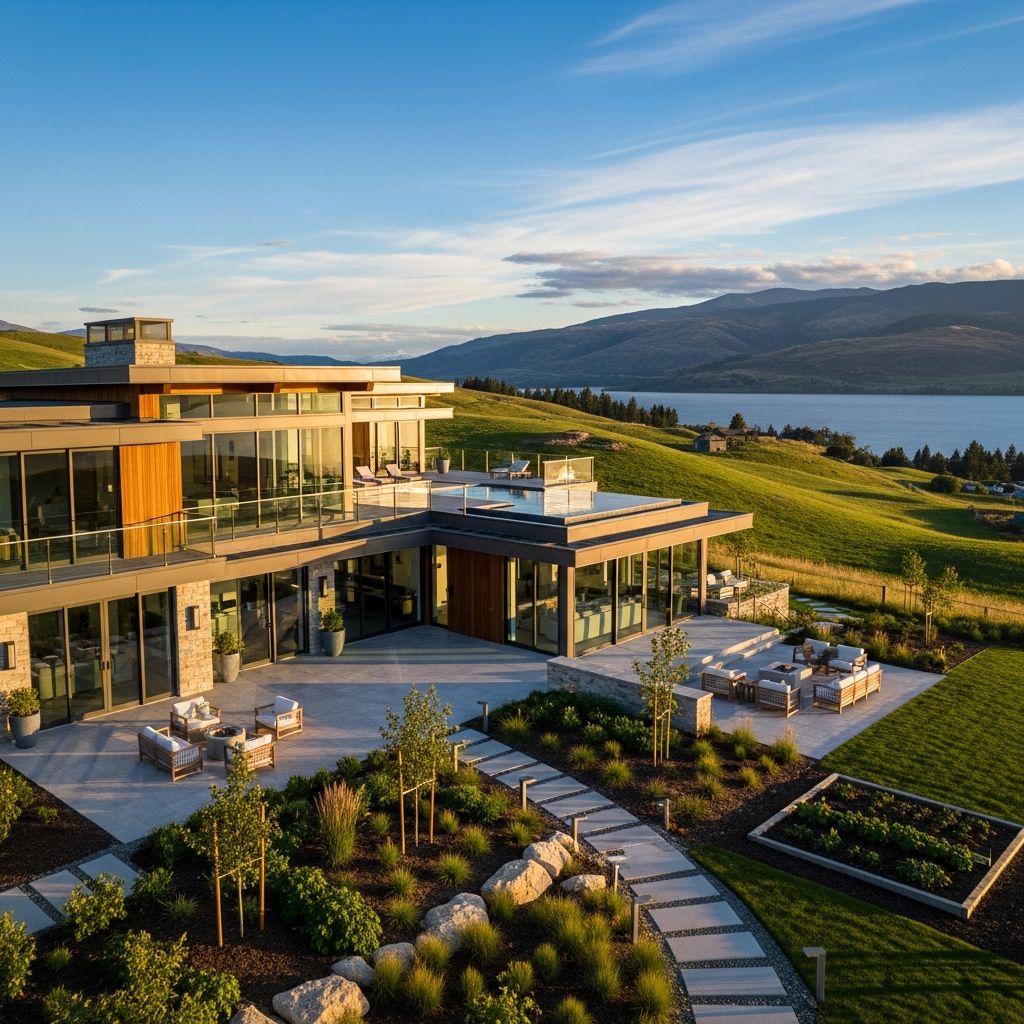
Selecting the right spot to build a home involves evaluating multiple factors beyond mere aesthetics. Key considerations include soil stability, weather patterns, proximity to services, regulatory environments, and long-term appreciation potential. This comprehensive guide draws from recent data on booming construction markets to highlight promising areas while addressing pitfalls to avoid, empowering you to make informed choices for your custom build.
Essential Factors Influencing Site Selection
Before diving into specific regions, understanding core criteria is crucial. Terrain must support foundational integrity; flat, well-drained land minimizes engineering costs. Climate affects material choices and maintenance—mild zones reduce energy bills. Access to utilities, schools, and jobs drives value, while zoning laws dictate feasibility. Natural hazards like floods or seismic activity demand risk assessments from bodies like FEMA.
- Geological Stability: Avoid steep slopes or expansive soils prone to shifting.
- Environmental Risks: Steer clear of floodplains, wildfire zones, or coastal erosion areas.
- Infrastructure Access: Prioritize sites near roads, water, and power grids.
- Cost Metrics: Compare land prices, permits, and labor rates regionally.
- Future Growth: Target areas with expanding economies for resale potential.
Top Emerging Markets in the Southeast
The Southeast leads in new home permits due to population influx, affordable land, and business expansions. Cities here offer mild winters and economic vibrancy, ideal for families and retirees.
| City/Region | Key Advantages | Avg. Build Cost per sq ft | Population Growth |
|---|---|---|---|
| Austin-Round Rock, TX | Tech jobs, music culture, family amenities | $150-$300 | High |
| Raleigh-Cary, NC | Research hubs, Southern charm, housing investments | $120-$250 | Fastest-growing |
| Jacksonville, FL | Beaches, river access, low living costs | $100-$220 | Rapid expansion |
| Charlotte-Concord-Gastonia, NC-SC | Financial center, suburbs, mild climate | $130-$260 | Surge in development |
Austin’s tech boom attracts professionals, with Round Rock providing suburban balance. Raleigh’s universities fuel innovation, supporting steady builds. Jacksonville’s coastal appeal pairs with economic growth, though hurricane prep is essential. Charlotte bridges urban finance and rural peace, with cross-state benefits.
Affordable Heartland Hotspots
Midwestern and Plains cities shine for budget-conscious builders. Low land costs and stable climates make them prime for spacious custom homes, often under $200 per square foot.
- Sioux Falls, SD: Scenic parks, Midwestern access, costs $101-$259/sq ft. Borders key states for convenience.
- Jonesboro, AR: Economic stability, $200-$400/sq ft range, growing infrastructure.
- Lawrence, KS: University town vibe, affordable plots, community focus.
- Hammond, LA: Near major cities, university presence, $100-$210/sq ft, event-driven economy.
These areas boast lower labor and material rates, with Sioux Falls exemplifying outdoor lifestyle integration.
Sunbelt Construction Booms
Florida and Texas dominate raw permit numbers, driven by migration. Per capita, smaller spots like Myrtle Beach top charts for intensive development.
Myrtle Beach, SC, leads with unmatched new homes per resident, blending beaches and growth. Florida cities—North Port, Lakeland, Orlando, Tampa—fill top ranks, offering lakes, charm, and affordability despite value shifts. Texas giants like Houston, Dallas, and Austin build massively, leveraging land availability. Lakeland’s 38 lakes and central location position it as an emerging hub.
Mountain West Opportunities
Western regions appeal to nature lovers, balancing affordability with adventure. Colorado’s Grand Junction features canyons and year-round activities at competitive costs.
Phoenix, AZ, sustains suburban expansion with water management innovations. Denver, CO, attracts millennials via prairie land and water access, promising continued builds.
Regional Variations: Pacific Northwest Insights
Washington offers diverse options. Seattle suburbs like Bellevue and Redmond suit tech workers with upscale potential, despite higher prices. Spokane provides affordability and sunshine in the east. Olympic Peninsula delivers natural seclusion near parks. Central spots like Wenatchee offer apple orchards and mountains.
Risks and Mitigation Strategies
Avoid low-lying flood zones, unstable hillsides, or wildfire-prone wildland-urban interfaces. Use USGS soil maps and NOAA climate data for due diligence. Engage local engineers for site-specific geotech reports. Insurance costs spike in high-risk areas—factor in FEMA flood maps.
| Risk Type | Areas to Avoid | Mitigation |
|---|---|---|
| Flooding | Riverbanks, coastal lowlands | Elevate foundations, buy flood insurance |
| Seismic | Fault lines (CA, AK) | Engineered designs, retrofitting |
| Wildfire | Forested edges | Fire-resistant materials, defensible space |
| Erosion | Steep slopes | Retaining walls, terracing |
Economic and Regulatory Considerations
Permits vary: streamlined in growth areas like Texas, stringent in California. Labor shortages inflate Sunbelt costs. Incentives like tax credits in NC aid builders. Track local zoning via county sites.
Steps to Secure Your Build Site
- Define needs: size, budget, lifestyle.
- Research markets using permit data.
- Visit sites, test soil.
- Consult planners, surveyors.
- Secure financing, permits.
- Hire vetted contractors.
Frequently Asked Questions (FAQs)
What makes the Southeast ideal for new builds?
Southeast regions like Florida and Texas offer high permit activity, mild climates, and migration-driven demand, topping charts for new construction per capita and volume.
Are Heartland cities cost-effective?
Yes, places like Sioux Falls and Hammond feature build costs as low as $100/sq ft, with strong amenities and low risks.
How do natural risks impact site choice?
High-risk zones raise insurance and prep costs; prioritize stable, elevated land per federal guidelines to minimize long-term expenses.
What’s the outlook for Sunbelt growth?
Continued booms in FL and TX due to population shifts, with cities like Lakeland and Austin leading in permits and affordability.
Should I consider Pacific Northwest?
For nature and tech, yes—Spokane for value, Seattle subs for prestige, each with unique perks.
References
- The Top US Cities to Build a Home in 2024 — The House Designers. 2024. https://www.thehousedesigners.com/blog/the-top-us-cities-to-build-a-home-in-2024/
- 10 best places to build a house in 2023 — Rocket Mortgage. 2023. https://www.rocketmortgage.com/learn/cheapest-place-to-build-a-house
- Ranking the Top 20 U.S. Cities for New Home Construction — MoveBuddha. 2023. https://www.movebuddha.com/blog/ranking-top-new-construction/
- Best Places in Washington to Build a New Home — Coyote Hollow. 2024-11. https://coyotehollow.com/2024/11/best-places-in-washington-to-build-a-new-home/
- U.S. Cities Building the Most New Housing [2025 Edition] — Construction Coverage. 2025. https://constructioncoverage.com/research/cities-investing-most-in-new-housing

- Integrated M.A. in Applied Linguistics, University of Hyderabad
- 5+ years in editorial, instructional, SEO, and research-based writing
Sneha is a relationships and lifestyle writer with a strong foundation in applied linguistics and certified training in relationship coaching. She brings over five years of writing experience to theskillvault, crafting thoughtful, research-driven content that empowers readers to build healthier relationships, boost emotional well-being, and embrace holistic living. Her writing and insights reflect the belief that beauty, happiness, and wellness…