
Understanding the Foundation of Bucket Filling in Educational Environments
The concept of bucket filling has emerged as a transformative framework for cultivating compassionate learning environments. This metaphorical approach posits that every individual possesses an invisible emotional container—their bucket. When individuals engage in kind acts, demonstrate genuine care, or provide meaningful support, they metaphorically fill the buckets of those around them. Conversely, negative behaviors, hurtful words, and deliberate unkindness represent bucket-dipping activities that diminish emotional well-being.
This framework transcends traditional classroom management by addressing the psychological and emotional dimensions of student development. Rather than focusing solely on behavioral compliance, bucket filling emphasizes intrinsic motivation, prosocial development, and the cultivation of genuine empathy. Educational research demonstrates that classrooms implementing kindness-focused initiatives experience improved peer relationships, reduced behavioral incidents, and enhanced academic engagement.
Initiating the Bucket Filling Journey: Foundational Steps
Establishing a bucket-filling culture requires deliberate, sequential implementation. The most effective approach involves introducing core concepts gradually while providing consistent opportunities for practice and reinforcement.
Phase One: Introducing Core Concepts Through Literature
Educational research emphasizes the importance of using narrative-based learning to introduce abstract concepts. Children grasp complex ideas more readily when these concepts are embedded within engaging stories featuring relatable characters and concrete scenarios. Utilizing picture books specifically designed around the bucket-filling philosophy creates an accessible entry point for young learners. Reading aloud allows students to visualize the concepts, ask clarifying questions, and begin recognizing examples within their own experiences.
Phase Two: Creating Shared Understanding Through Visual Systems
After introducing foundational concepts, educational practitioners should establish visual representations that make bucket-filling behaviors explicit and observable. This might include anchor charts that visually categorize specific behaviors as either bucket-filling or bucket-dipping actions. By collaboratively developing these classifications with students, teachers ensure that young people develop internalized understanding rather than simply memorizing rules.
Phase Three: Establishing Routine Integration
Sustainable implementation requires embedding bucket-filling principles into daily routines rather than treating them as isolated activities. Morning meetings, transition times, and closing circles provide natural opportunities to reinforce these concepts consistently. When students regularly encounter bucket-filling language and practices throughout the school day, the framework becomes an integral aspect of classroom culture rather than a supplementary program.
Diverse Implementation Strategies and Practical Activities
Effective educators recognize that students possess varied learning styles and developmental needs. Implementing multiple engagement strategies ensures that all learners can access and internalize bucket-filling concepts.
Creative Expression Through Artistic Activities
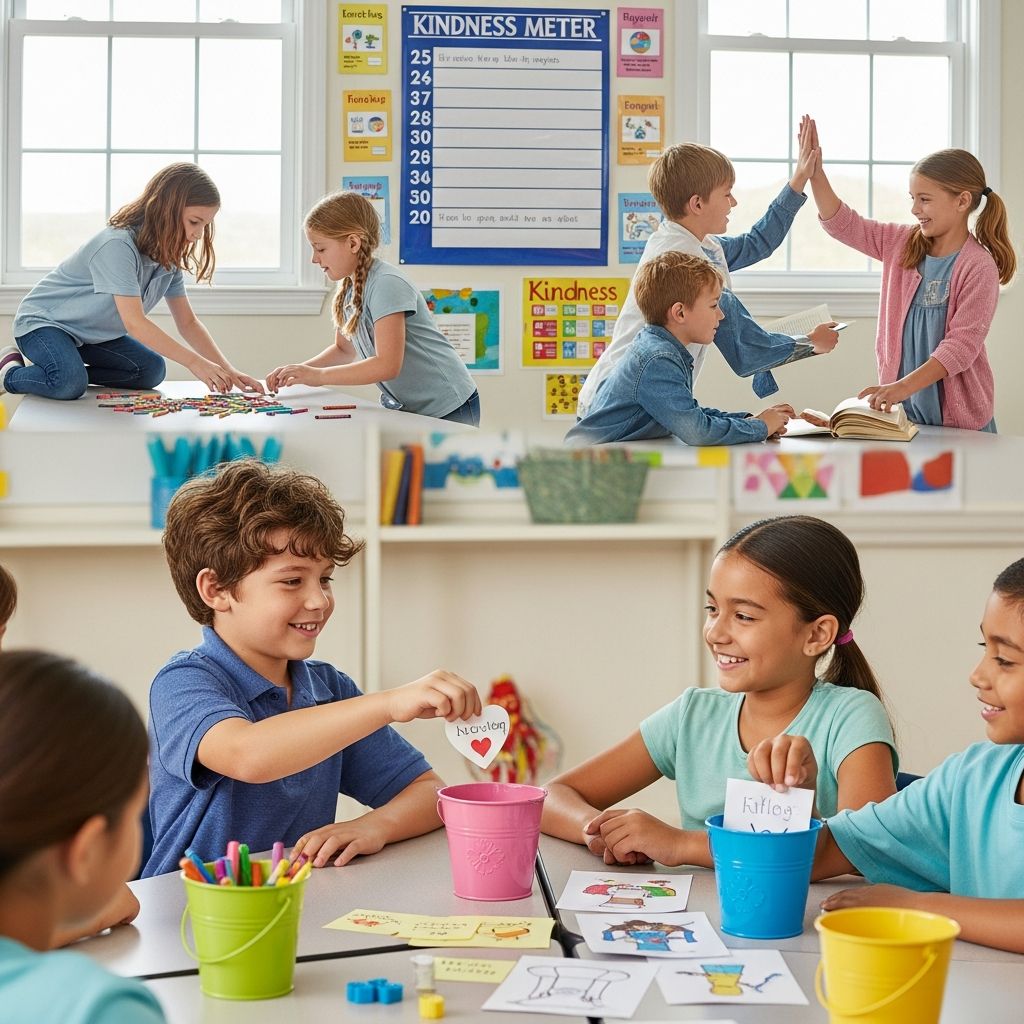
Artistic endeavors provide powerful avenues for emotional expression and deeper learning. Students might create personalized buckets using craft materials, decorate them with colors and patterns reflecting their personalities, and then write or draw multiple ways they can fill their classmates’ buckets. This tangible creation process transforms abstract concepts into concrete representations that students can physically interact with and display.
Another creative approach involves constructing collaborative bulletin board displays where student contributions accumulate throughout the year. These evolving displays serve as continuous reminders of classroom kindness values and celebrate individual student contributions to the collective positive culture.
Gamified Learning Through Challenges and Competitions
Strategic use of friendly challenges capitalizes on students’ natural competitive instincts while channeling those drives toward prosocial outcomes. Daily bucket-filler challenges might involve drawing a specific kind act from a prepared container and collectively attempting to complete that act before day’s end. This approach transforms kindness into an engaging game while maintaining focus on meaningful behavior.
Reward systems built around bucket-filling achievements provide additional motivation. Teachers might create special privileges for students demonstrating consistent bucket-filling behaviors, such as lunch with the teacher, extended recess time, or selection of classroom jobs. When rewards themselves reflect bucket-filling creativity—such as treats served in decorated cups with bucket handles—the entire system reinforces the core messages.
Musical and Movement-Based Learning
Incorporating songs and movement helps students internalize bucket-filling concepts through multimodal learning pathways. Specially composed bucket-filler songs provide memorable lyrics that students can recall throughout the day, with many songs explicitly suggesting concrete behaviors for filling others’ buckets. The combination of rhythm, melody, and movement creates stronger neural pathways for learning and retention.
Peer Recognition Systems and Compliment Activities
Structured peer recognition creates opportunities for students to practice giving and receiving positive feedback. One effective approach involves students writing heartfelt compliments for classmates on decorative cutouts (such as heart shapes or water droplets) and placing these in their peers’ physical buckets. This activity simultaneously promotes self-esteem, develops students’ ability to recognize positive qualities in others, and creates tangible evidence of kindness.
For younger students, teacher-facilitated small group compliment sessions provide scaffolded support as they develop these skills. Older students benefit from independent or group-based ongoing compliment activities that become embedded in regular classroom routines.
Physical and Digital Tools for Reinforcement
Modern classrooms benefit from both traditional tangible tools and contemporary digital resources that support bucket-filling implementation.
Organizational Systems for Visible Tracking
Practical storage solutions make bucket-filling recognition visible and engaging. Clear shoe organizers with individual pockets labeled with student names create accessible spaces for peers to deposit kindness notes. Students can write brief messages or acknowledgments on pre-cut slips and leave them in classmates’ pockets, creating a system of positive feedback that accumulates visibly.
Alternative bucket-filling containers might include small plastic or metal buckets, decorated cups, or paper bags. Regardless of the specific container chosen, the tangible representation of filling—whether through pom-poms called “warm fuzzies,” water beads, foam shapes, or other objects—provides immediate visual feedback that reinforces positive behavior.
Digital Engagement Platforms
Technology-enabled tools extend bucket-filling activities into contemporary learning environments. Interactive digital card systems allow students to practice bucket-filling concepts through engaging games and sorting activities accessible on tablets or computers. These platforms prove particularly valuable for remote or hybrid learning contexts, ensuring that students continue participating in kindness-building activities regardless of physical location.
Digital journaling platforms enable students to reflect on bucket-filling moments, track their own emotional well-being, and maintain records of kind acts they’ve witnessed or performed. Such reflective practices deepen learning and support metacognitive development.
Expanding Bucket-Filling Beyond the Classroom
Comprehensive implementation recognizes that students need opportunities to practice bucket-filling across multiple contexts—at home, in their communities, and in various social settings. Educational practitioners should intentionally create learning experiences that help students translate classroom concepts into behaviors applicable in diverse real-world situations.
Family engagement initiatives invite parents to participate in bucket-filling practices at home, creating consistency between school and home environments. When families understand and reinforce these concepts in domestic settings, students receive coherent messages about the importance of kindness across all aspects of their lives.
Sustaining Momentum and Preventing Concept Fatigue
Long-term implementation success depends on maintaining student engagement without allowing concepts to become stale or routine. Strategic educators spread bucket-filling activities throughout the school year, introducing new variations when student enthusiasm begins to wane. This refresher approach prevents the framework from becoming background noise while keeping core messages active in students’ consciousness.
Seasonal variations and thematic connections keep activities fresh while maintaining conceptual integrity. Valentine’s Day-themed compliment activities, holiday-specific kindness challenges, and connection to current events all provide natural hooks for renewed engagement.
Measuring Impact and Evaluating Implementation
Effective programs include systematic evaluation to assess whether bucket-filling initiatives produce intended outcomes. Observable indicators might include:
- Reduction in peer-to-peer conflict incidents
- Increased student-initiated helping behaviors
- Improved classroom climate and peer relationships
- Enhanced student confidence and sense of belonging
- Greater student participation in prosocial activities
Teacher observations, student surveys, and peer feedback provide valuable data about implementation effectiveness. When data reveals particular students struggling with bucket-filling concepts, targeted small-group interventions provide additional support.
Integrating Bucket Filling Into Morning Meetings
Morning meetings represent ideal contexts for embedding bucket-filling practices into regular school routines. These gatherings naturally include components such as greetings, sharing opportunities, and group activities—all spaces where bucket-filling language and practices can be seamlessly incorporated.
During greeting segments, students might practice kind words and positive interactions. Sharing periods provide opportunities for students to recognize acts of kindness they’ve witnessed or received. Group activities explicitly practice bucket-filling skills and reinforce related concepts.
Addressing Challenges and Misconceptions
Implementation challenges may arise as educators work to establish bucket-filling cultures. Some students may struggle with genuinely recognizing positive qualities in others, particularly peers with whom they’ve had conflicts. In such cases, teacher facilitation helps students develop this capacity gradually.
Others may initially view bucket-filling as an external reward system rather than intrinsic value work. Patient modeling and explicit discussion about how genuine kindness generates internal emotional satisfaction helps students develop more authentic motivations.
Frequently Asked Questions
Q: At what age can students begin engaging with bucket-filling concepts?
A: Students as young as pre-kindergarten can begin developing foundational bucket-filling awareness through picture books and teacher modeling. Age-appropriate adaptations ensure accessibility across developmental levels, with more complex reflections and discussions introduced as children mature.
Q: How long does it typically require to establish a sustainable bucket-filling culture?
A: Implementation timelines vary based on student age, prior classroom culture, and consistency of practice. Most educators observe measurable shifts within 4-6 weeks of consistent implementation, with deeper internalization developing over months.
Q: How can educators help students who seem resistant to bucket-filling concepts?
A: Resistant students often respond well to peer modeling and positive recognition of small steps toward bucket-filling behavior. One-on-one conversations exploring underlying concerns and providing additional scaffolding can help reluctant learners gradually embrace the framework.
Q: Can bucket-filling be implemented effectively in secondary classrooms?
A: Yes, though activities require age-appropriate adaptations. Secondary students respond well to discussions about emotional intelligence, explicit connections to academic and social success, and opportunities to design their own bucket-filling initiatives.
Q: What should educators do if bucket-filling activities seem to plateau?
A: Introducing new activity variations, connecting concepts to current classroom situations, and inviting students to suggest fresh ideas typically renews engagement. Periodic reminders and seasonal variations prevent stagnation while maintaining core principles.
References
- 32 Bucket Filler Activities To Spread Kindness in Your Classroom — We Are Teachers. 2024. https://www.weareteachers.com/bucket-filler-activities/
- Bucket Filler Activities, Bulletin Board Idea, & Awards / Treats — Lessons 4 Little Ones. 2024. https://lessons4littleones.com/bucket-filler-activities-bulletin-board-idea-awards-treats/
- Bucket Filler Activities & Stunning Kindness Bulletin Boards — Ripple Kindness. 2024. https://ripplekindness.org/bucket-filler-activities-and-bulletin-boards/
- Creating a Bucket Filling Classroom — Paige Bessick. 2024. https://paigebessick.com/creating-bucket-filling-classroom/
- Starting Bucket Filling? Here’s What Actually Works — Hanging Around in Primary. 2018. https://www.hangingaroundinprimary.com/2018/07/getting-started-with-bucket-filling-in-the-primary-classroom.html
- Have You Filled A Bucket Today Lesson — Health Smart Virginia. 2024. https://healthsmartva.org/uploads/rteditor/file/Have%20You%20Filled%20A%20Bucket%20Today%20Lesson%20-%20Grades%202-5(1).pdf
- Free Resources – Bucket Fillers — Bucket Fillers 101. 2024. https://bucketfillers101.com/free-resources/

- Integrated M.A. in Applied Linguistics, University of Hyderabad
- 5+ years in editorial, instructional, SEO, and research-based writing
Sneha is a relationships and lifestyle writer with a strong foundation in applied linguistics and certified training in relationship coaching. She brings over five years of writing experience to theskillvault, crafting thoughtful, research-driven content that empowers readers to build healthier relationships, boost emotional well-being, and embrace holistic living. Her writing and insights reflect the belief that beauty, happiness, and wellness…