
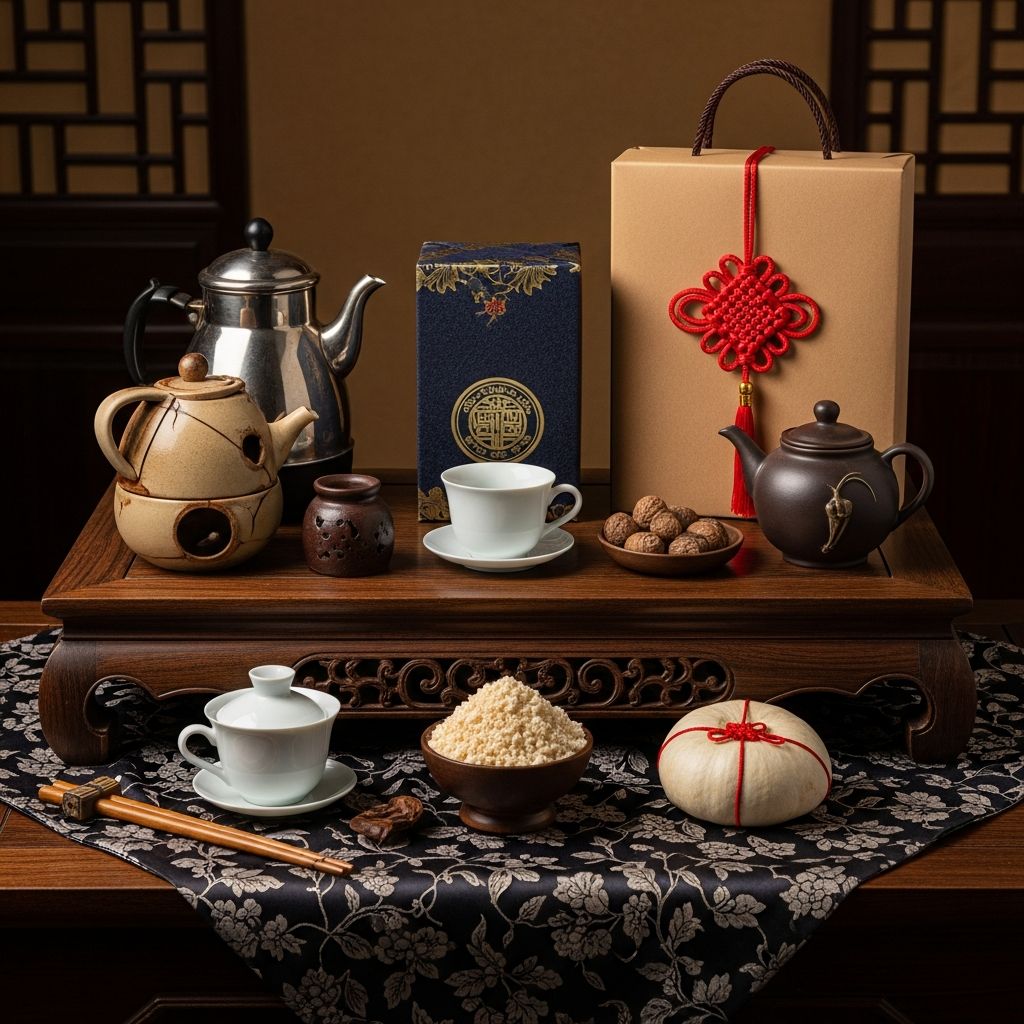
Navigating the Complexities of Chinese Gift Presentation Practices
Gift-giving serves as a fundamental social ritual across all cultures, yet each tradition carries its own set of unwritten rules and deeply embedded meanings. In Chinese society, the act of presenting a gift extends far beyond a simple gesture of goodwill—it reflects knowledge, respect, and cultural awareness. Understanding what not to give is equally important as knowing what is appropriate, as certain items carry profound negative connotations rooted in language, history, and spiritual beliefs. This comprehensive guide explores the cultural significance behind gift taboos in China, helping you navigate this intricate landscape with confidence and respect.
The Linguistic Foundation of Chinese Gift Taboos
Many of the most important gift-giving prohibitions in Chinese culture stem from homophones—words that sound identical or similar but possess entirely different meanings. This linguistic phenomenon, known as homophonic superstition, forms the backbone of numerous cultural practices in Chinese society. The concern is not merely about superstition but reflects a deeper belief that language carries power and intention. When a gift’s name sounds like an inauspicious word, it can inadvertently convey negative wishes or ill intentions, regardless of what the giver actually intends.
Understanding this connection between sound and meaning is essential for anyone wishing to give gifts to Chinese friends, colleagues, or business associates. The power of these associations extends through multiple generations and remains deeply embedded in contemporary Chinese life, influencing purchasing decisions and social interactions.
Timepieces: The Most Critical Prohibition
Among all gift-giving taboos in Chinese culture, the restriction against giving clocks or watches stands as the most significant and universally recognized. The Mandarin phrase for “giving a clock” (送钟, sòng zhōng) is phonetically identical to the phrase meaning “attending a funeral ritual” (送终, sòng zhōng). This striking homophonic similarity makes the gift deeply inappropriate across virtually all contexts.
The implications extend beyond mere linguistic coincidence. Gifting a timepiece, particularly to elderly individuals, carries the unintended message that you are wishing for their remaining time to diminish. This interpretation proves especially offensive when directed toward seniors, as it references mortality and the end of life. Even in modern, urban contexts where younger generations may be more cosmopolitan in their outlook, many still avoid giving clocks out of respect for family traditions and cultural sensitivities. The prohibition is so deeply ingrained that it remains one of the few gift taboos that transcends generational and socioeconomic boundaries.
Objects Associated with Separation and Dissolution
Several common items carry meanings related to relationship breakdown, parting, or separation. These gifts inadvertently communicate discord or disconnection, making them unsuitable for expressing goodwill.
Umbrellas and Their Implications
The Mandarin word for umbrella (伞, sǎn) shares an identical pronunciation with the word meaning “to scatter” or “break apart” (散, sàn). Presenting an umbrella as a gift can suggest a desire for the relationship to fragment or dissolve. This prohibition applies across personal friendships, romantic partnerships, and professional relationships. The taboo proves particularly significant in business contexts, where maintaining harmony and long-term partnerships is paramount. Even a well-intentioned practical gift like an umbrella could inadvertently damage professional relationships if given without awareness of these cultural meanings.
Pears and the Symbolism of Parting
While fruits generally constitute appropriate gifts in Chinese culture, pears represent a notable exception. The Mandarin word for pear (梨, lí) sounds identical to the word meaning “to leave” or “separation” (离, lí). Sharing pears with friends or colleagues, whether as a fresh fruit gift or incorporated into other products, carries implications of impending separation or disconnection. This prohibition extends to contexts where maintaining bonds is especially important, such as among family members, romantic partners, or longtime business associates.
Sharp Implements and Relationship Severance
Gifts involving sharp objects—including knives, scissors, letter openers, and similar implements—carry symbolism related to cutting, severing, and breaking ties. Chinese cultural wisdom includes the saying “one slash and it’s in two parts,” directly referencing the association between sharp objects and relationship dissolution.
The prohibition against sharp implements demonstrates how physical properties of objects become imbued with metaphorical meaning in gift-giving contexts. A knife might be a practical kitchen tool, but as a gift, it communicates separation and finality. This taboo proves especially important in professional settings, where inadvertent offense could damage business relationships or reputations.
Footwear and Its Negative Associations
The Mandarin word for shoes (鞋, xié) is a homophone for the word meaning “evil” or “bad luck” (邪, xié). This linguistic connection creates a strong cultural association between footwear and misfortune. Beyond the homophonic connection, shoes carry additional negative implications in Chinese gift-giving traditions. Since shoes are items that contact the ground and are stepped upon, they embody a sense of debasement and disrespect. Presenting someone with shoes could be perceived as wishing them ill fortune or treating them as inferior.
The combination of linguistic and symbolic meanings makes shoes one of the most universally avoided gift categories. Even casual, fashionable footwear intended as a thoughtful present could inadvertently offend or create discomfort.
Color Symbolism in Gift Selection
Color carries profound significance in Chinese culture, with certain hues reserved for specific occasions and contexts. Understanding color meanings proves essential for appropriate gift-giving, from the wrapping paper used to the color of the gift itself.
White and Black: Funeral Colors — Both white and black carry strong associations with mourning, death, and funeral rites in Chinese tradition. These colors should be avoided entirely when selecting gifts or choosing wrapping materials. A gift wrapped in white or black paper, regardless of the item’s nature, creates an inappropriate and potentially offensive presentation. This restriction applies universally across all gift-giving occasions outside of explicitly somber or memorial contexts.
Red and Gold: Auspicious Alternatives — In contrast to white and black, red and gold represent luck, prosperity, wealth, and good fortune. These colors should be prioritized for gift wrapping and presentation. Red carries particularly strong positive associations in Chinese culture, especially during celebratory occasions like Chinese New Year. By selecting these favorable colors, givers communicate positive intentions and respect for cultural traditions.
The Number Four and Numerical Superstitions
Numerical symbolism plays a significant role in Chinese gift-giving practices. The number four (四, sì) sounds nearly identical to the word for death (死, sǐ), creating an extremely negative association. Consequently, gifts presented in sets or quantities of four, or containing the digit four (such as 14, 24, 34, 40, 44, etc.), are considered unlucky and should be avoided entirely.
This numeric taboo extends to all contexts—from gift wrapping with four items to business gifts presented in multiples of four. Even modern, secular individuals often respect this tradition, as it remains deeply ingrained in Chinese consciousness. Gift givers should be particularly mindful of packaging, presentation sets, and any numerical associations attached to the gift.
Additional Items Requiring Cultural Sensitivity
Hats and Mourning Traditions
In Chinese funeral rites, mourning hats (孝帽, xiào mào) are worn by family members during ceremonies. This association makes hats inappropriate as gifts in most contexts. Green hats carry especially strong negative implications—the phrase “wearing a green hat” (戴绿帽子, dài lǜ màozi) refers to spousal infidelity, representing the greatest insult in Chinese culture. Presenting a green hat, even unintentionally, could cause serious offense.
Cut Flowers and Funeral Associations
While flowering plants can be appropriate gifts, cut flowers—particularly certain varieties—carry funeral associations. Yellow chrysanthemums and white flowers specifically represent death and mourning in Chinese tradition. Fresh cut flowers presented as gifts outside of appropriate contexts can inadvertently communicate sorrow or loss rather than celebration or appreciation.
Intimate Apparel and Personal Items
Gifts such as necklaces, ties, and belts carry intimate implications in Chinese culture. These items are typically exchanged between romantic partners or spouses, making them inappropriate for platonic friendships or professional relationships. Presenting such items to colleagues or friends could create uncomfortable social situations or be misinterpreted.
Occasions That Demand Extra Caution
Certain celebrations and occasions require heightened awareness of gift taboos. Chinese New Year represents the most significant celebration in the annual calendar, making it a prime time for gift-giving but also demanding careful attention to cultural prohibitions. During this auspicious occasion, avoiding taboo items becomes especially important, as the gifts given are believed to influence fortune for the entire coming year.
Business settings also warrant particular sensitivity, as inappropriate gifts can damage professional relationships and reputations. When presenting gifts to Chinese business partners, clients, or colleagues, knowledge of these taboos demonstrates respect and cultural competence, strengthening business relationships.
Practical Guidelines for Gift Selection
- Research the recipient’s personal preferences and interests before selecting a gift
- Avoid all items associated with homophones that carry negative meanings
- Select gifts in auspicious colors—red, gold, or other bright, positive hues
- Ensure any gifts come in quantities other than four or containing the digit four
- Prioritize gifts that enhance well-being, health, learning, or prosperity
- Consider the context and relationship type when making selections
- When uncertain, consult with cultural liaisons or local colleagues familiar with both cultures
- Present gifts with both hands as a sign of respect and formality
- Avoid excessive comment about the gift’s cost or materials
When Gifts Require Ceremonial Correction
In certain situations where an inappropriate gift has been given, Chinese tradition provides remedies. When presenting sharp objects like knives or scissors, the giver can offer a nominal monetary exchange—such as a coin—as if conducting a symbolic purchase rather than a gift. This tradition transforms the transaction from a gift into a sale, neutralizing the negative implications of the sharp object. However, it is far preferable to avoid these situations entirely by being knowledgeable about taboos beforehand.
Frequently Asked Questions
Q: Are there exceptions to the prohibition against giving clocks?
A: No legitimate exceptions exist within traditional Chinese culture. The taboo against clocks remains absolute and universally recognized. Even in modern, cosmopolitan settings, many Chinese individuals prefer to respect this tradition out of respect for elders and cultural heritage.
Q: Can digital clocks or smartwatches be given instead of traditional timepieces?
A: The prohibition extends to all timekeeping devices. The homophonic meaning of “giving a clock” applies regardless of the technology or style of the device. Smartwatches, digital clocks, and contemporary timepieces carry the same cultural weight as traditional ones.
Q: If I accidentally give a taboo gift, what should I do?
A: If you realize your error, acknowledge it respectfully and explain your unfamiliarity with the tradition. Most Chinese individuals will appreciate your willingness to learn and respect cultural practices, even if the mistake has already occurred. In future interactions, demonstrate your increased cultural awareness.
Q: Do younger, Western-educated Chinese people still observe these taboos?
A: Many younger Chinese individuals maintain awareness of these traditions and prefer to respect them, particularly in formal or professional contexts. Even those who are personally less superstitious often respect family members’ preferences and broader cultural sensibilities. It is always safer to observe these taboos regardless of the recipient’s age or level of international exposure.
Q: What are the best types of gifts to give in Chinese contexts?
A: Appropriate gifts include items that enhance well-being—such as premium teas, health supplements, or items promoting mental wellness. Items related to prosperity, learning, or personal development are well-received. Gifts in auspicious colors, particularly red or gold, demonstrate cultural awareness and respect.
Q: Does the taboo against certain items apply in all regions of China?
A: While the most significant taboos like clocks and sharp objects are nearly universal, regional variations exist. Cantonese-speaking areas may have slightly different associations or additional taboos. When in doubt about regional practices, consulting with local colleagues or cultural experts provides guidance.
References
- Chinese Gift-Giving Taboos: 8 Mistakes to Avoid & What to Give — Sino Cultural. April 2026. https://sinocultural.com/blogs/all-blogs/chinese-gift-giving-taboos-avoid-these-mistakes-for-thoughtful-and-culturally-respectful-presents
- 15 Gifts You Should Never Give as Chinese New Year Gifts — China Highlights. 2026. https://www.chinahighlights.com/festivals/things-not-give-chinese-new-year.htm
- 10 Dos and Don’ts of Gift-Giving in Chinese Culture — Cheng & Tsui. 2026. https://www.cheng-tsui.com/blog/10-dos-and-don%E2%80%99ts-of-gift-giving-in-chinese-culture
- The Art Of Chinese Gift Giving Etiquette: Best And Worst Gifts — Mabel Kwong. April 21, 2016. https://mabelkwong.com/2016/04/21/the-art-of-chinese-gift-giving-etiquette-best-and-worst-gifts/
- Presenting Gifts, the Do’s and Don’ts of Chinese Culture — Regina Coeli. 2026. https://www.reginacoeli.com/blog/presenting-gifts,-the-dos-and-donts-of-chinese-culture.html

Medha Deb is an editor with a master's degree in Applied Linguistics from the University of Hyderabad. She believes that her qualification has helped her develop a deep understanding of language and its application in various contexts. Medha specializes in the areas of beauty, health, sports, and wellness and is committed to ensuring that the content on the website is…