
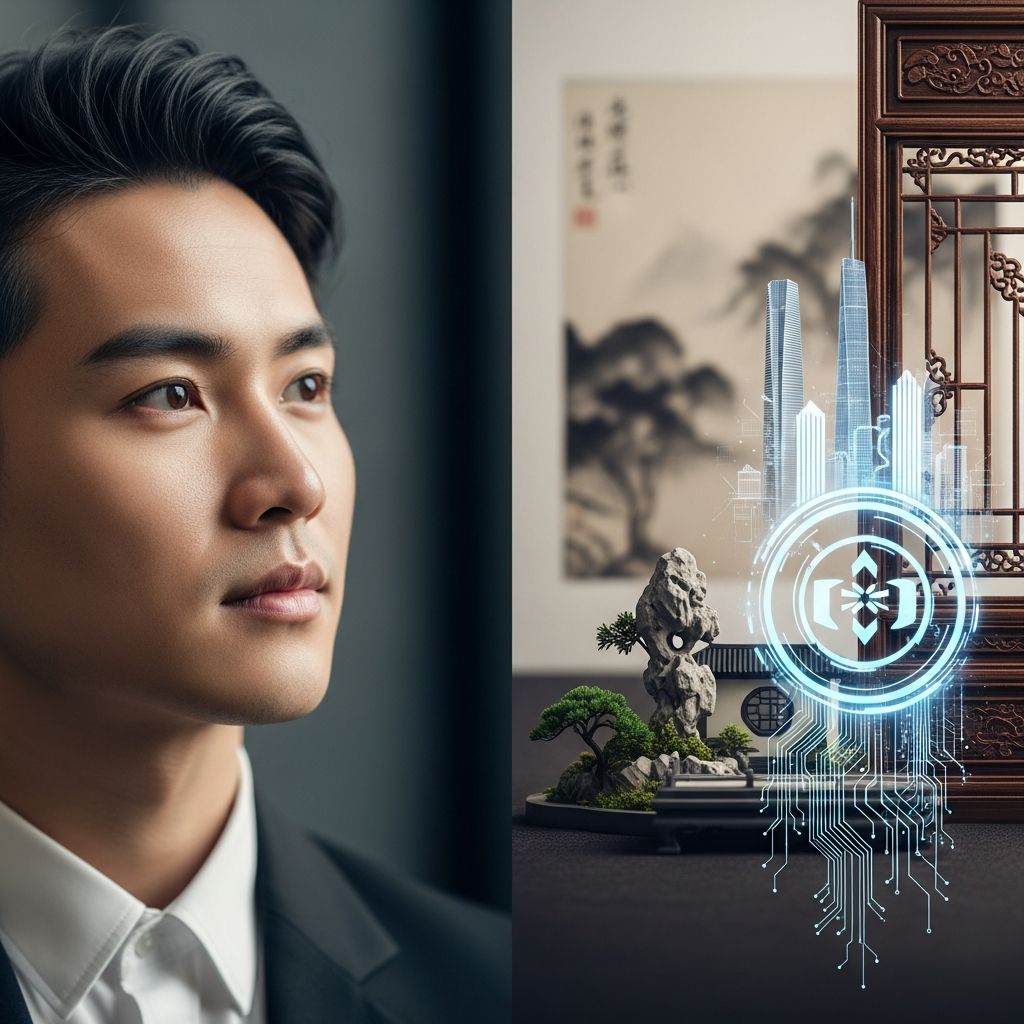
China’s vast size, long history, and rapid transformation make it difficult to describe “the Chinese personality” in a single phrase. Yet certain cultural patterns, values, and social expectations influence how many people in China see themselves and interact with others. These tendencies do not define every individual, but they help explain common behaviors that visitors, colleagues, and neighbors may notice.
This article looks at how tradition, family, education, work, and modern change shape personality and everyday life in contemporary China.
Historical Roots of Chinese Personality
To understand today’s Chinese personality traits, it helps to look briefly at the historical ideas that still shape values and social norms.
- Confucianism: Emphasizes hierarchy, respect for elders, moral self-cultivation, and harmony in relationships, influencing ideals of modesty, duty, and proper conduct.
- Collectivist traditions: For centuries, life was organized around kinship networks and village communities, encouraging cooperation, loyalty, and concern for group reputation.
- Periods of upheaval: Wars, revolutions, and economic reforms in the 20th century strengthened traits like resilience, adaptability, and pragmatism as people navigated uncertainty and rapid change.
These historical forces do not predetermine individual personalities, but they contribute to shared expectations about what a “good person” or a “responsible adult” looks like in Chinese society.
Core Values That Shape Behavior
Across regions and generations, several core values appear frequently in surveys and social research on Chinese culture.
Family as the Central Reference Point
Family often functions as the main source of identity, support, and obligation.
- Adult decisions about work, marriage, and residence are commonly made with parents’ needs and opinions in mind.
- Filial piety (duty toward parents and elders) remains a moral ideal, reinforced by law through policies encouraging adult children to support aging parents.
- Extended family networks can provide emotional help, financial backing, and childcare, but they also create strong expectations to conform.
Respect for Hierarchy and Social Roles
Many interactions in China still reflect a sensitivity to rank, role, and age.
- People often adjust their language and behavior based on whether they are with seniors, peers, or juniors at work or in the family.
- Public disagreement with a superior or elder is often avoided to protect both sides from embarrassment.
- Titles and formal terms of address signal respect and help define the relationship.
Emphasis on Education and Self-Improvement
Education is widely seen as the main path to social mobility and personal success.
- Families commonly invest heavily in tutoring, extra classes, and exam preparation for children and teenagers.
- Academic performance can strongly influence self-esteem, family reputation, and future career opportunities.
- This pressure can contribute to stress and mental health challenges among young people, as noted in research linking personality traits and psychological well-being in Chinese samples.
Collectivism and Group Harmony
While individualism is rising among younger generations, many Chinese still place strong importance on collective interests.
- People may prioritize group goals—family, work unit, or class—over personal preference, particularly in public settings.
- Maintaining harmony (he) often means avoiding open conflict, using indirect language, or seeking compromise.
- Group success is celebrated, and failures are sometimes experienced as shared responsibility.
Commonly Observed Personality Tendencies
Within this cultural context, certain personality tendencies are often noticed. These are general patterns, not rigid rules.
| Trait | How it Often Appears in Daily Life | Cultural Influences |
|---|---|---|
| Diligence | Long working hours, persistence with exams, strong focus on tasks and goals. | Value placed on hard work and achievement in Confucian ethics and modern economic competition. |
| Modesty | Downplaying one’s abilities, redirecting praise to the team or family. | Norms against boasting; emphasis on humility as a moral virtue. |
| Pragmatism | Flexible problem-solving, willingness to adjust plans when conditions change. | Historical experience of scarcity and uncertainty; rapid reforms requiring adaptability. |
| Emotional restraint in public | Expressing strong emotions indirectly; avoiding public confrontations. | Concern for saving face; priority on group harmony over individual catharsis. |
| Relational thinking | Seeing oneself in terms of roles: child, parent, colleague, classmate. | Collectivist mindset and dense social networks; importance of guanxi (relationships). |
Guanxi: Relationships as Social Capital
One widely discussed aspect of Chinese social life is guanxi, often translated as “connections” or “relationship networks.”
- Long-term reciprocity: Favors, help, and introductions are remembered and repaid over time.
- Trust over rules: In many business and everyday contexts, personal trust can be as important as written contracts.
- Boundary management: People distinguish carefully between inner-circle relationships (family, close friends) and outer-circle contacts, treating them with different expectations.
Guanxi can provide support and opportunity, but it can also create pressure to assist contacts, even when it conflicts with personal preference.
Personality and Mental Health in Chinese Contexts
Psychological research in China suggests that personality traits interact with cultural expectations to shape mental health outcomes.
- Meta-analytic studies have found that traits such as neuroticism and extraversion are significantly associated with mental health indicators among Chinese respondents.
- High sensitivity to social evaluation, combined with exam and work pressure, can contribute to anxiety, depression, or burnout, especially in youth and urban professionals.
- At the same time, strong family ties and community support can serve as protective factors for many individuals.
These findings highlight that Chinese people are not simply “collectivist” or “disciplined”; like everywhere, individual differences in temperament and coping style matter greatly.
Urban–Rural and Generational Differences
China’s rapid development has widened differences between rural and urban areas and between generations.
Younger vs. Older Generations
- Older generations often grew up in periods of material scarcity and political campaigns, valuing thrift, stability, and obedience to authority.
- Younger people, especially in large cities, are more exposed to global media and may emphasize self-expression, personal interests, and lifestyle choices.
- Despite this, many young adults still feel strong obligations to support parents and maintain family traditions.
City vs. Countryside
- Urban residents may appear more individualistic, career-focused, and open to diverse lifestyles.
- Rural communities may maintain tighter-knit networks where reputation, family name, and informal help are particularly important.
- Internal migration from countryside to cities has created new identities and challenges, with migrants navigating different cultural expectations in workplace and neighborhood life.
Work Ethic, Ambition, and Everyday Life
China’s economic rise has reinforced traits related to ambition, effort, and perseverance.
- Long hours and high productivity expectations are common in many industries, contributing both to economic growth and to concerns about overwork.
- Stories of people moving from poverty to financial stability through education and entrepreneurship encourage a belief in self-improvement and upward mobility.
- At the same time, younger workers increasingly discuss work–life balance and question extreme overtime cultures.
These tensions show how older ideals of sacrifice and diligence coexist with newer desires for personal time, health, and emotional satisfaction.
Communication Style and Social Etiquette
Communication norms in China can differ markedly from those in more individualistic societies.
Indirectness and Saving Face
- People often avoid saying “no” directly, using softer phrases or silence to signal disagreement.
- Criticism may be delivered privately or wrapped in indirect language to protect relationships.
- Discussions of sensitive topics are sometimes postponed rather than confronted openly in public.
Courtesy and Modesty
- Politeness is expressed through small rituals: offering food, pouring tea, or insisting guests take the best seat.
- Self-deprecating comments about one’s achievements are common, reflecting cultural norms around humility.
- At the same time, close friends may speak very frankly with one another, showing warmth rather than distance.
Regional Diversity and Cultural Nuance
China’s population is highly diverse, with many dialects, cuisines, and local customs. Personality stereotypes that might apply in one region may not fit another.
- Coastal cities are often described as more commercially oriented and outward-looking, while inland areas may prioritize tradition more strongly.
- Minority ethnic groups have distinct cultural practices and values that shape their own personality norms, from community rituals to leadership expectations.
- Even within a single city, social class, education level, and occupation create subcultures with different communication styles and aspirations.
Any attempt to describe “the Chinese personality” must therefore be treated as a rough map rather than a precise portrait.
Frequently Asked Questions (FAQs)
Q: Are Chinese people generally collectivist or individualist?
A: Social research typically classifies China as more collectivist than many Western countries, with stronger emphasis on family and group obligations. However, individualism is rising among younger and urban populations, who may place more weight on personal interests and self-expression than previous generations.
Q: How important is family in shaping personality in China?
A: Family remains one of the strongest influences on personality and life choices in China. Filial duty, expectations around education and career, and intergenerational support patterns strongly shape how people see themselves and what they consider a successful life.
Q: Do all Chinese people communicate indirectly?
A: Indirect communication is common in many formal and mixed-status settings, where people try to avoid conflict and protect face. Among close friends or within trusted groups, however, people may be very direct and open, so context and relationship type matter more than nationality alone.
Q: How does the focus on education affect young people’s well-being?
A: Intense academic competition can bring opportunities but also significant pressure. Studies in China have linked personality traits like neuroticism and perfectionism to higher rates of stress and mental health problems among students, underscoring the need for support systems and balanced expectations.
Q: Is it accurate to use one personality profile for all Chinese people?
A: No. While cultural patterns and shared values exist, there is wide variation by region, age, education, and individual temperament. Personality inventories used in psychological research show a full range of traits among Chinese respondents, similar to other large populations.
References
- 15 Distinct Traits of Chinese Culture and Personality — Worldwide Fun Collections. 2023-06-10. https://www.worldwidefuncollections.com/blog/15-distinct-traits-of-chinese-culture-and-personality-including-some-quirks/
- Chinese People – Characteristics and Lifestyle — China Local Tours. 2021-04-05. https://www.chinalocaltours.com/chinese-people/
- Chinese Personality Traits and Mental Health: A Meta-Analysis — Frontiers in Psychiatry. 2023-07-26. https://doi.org/10.3389/fpsyt.2023.1169088
- World Values Survey – China Findings — World Values Survey Association. 2022-01-15. https://www.worldvaluessurvey.org/WVSOnline.jsp
- China Country Profile — OECD Better Life Index. 2020-11-30. https://www.oecdbetterlifeindex.org/countries/china/

- Integrated M.A. in Applied Linguistics, University of Hyderabad
- 5+ years in editorial, instructional, SEO, and research-based writing
Sneha is a relationships and lifestyle writer with a strong foundation in applied linguistics and certified training in relationship coaching. She brings over five years of writing experience to theskillvault, crafting thoughtful, research-driven content that empowers readers to build healthier relationships, boost emotional well-being, and embrace holistic living. Her writing and insights reflect the belief that beauty, happiness, and wellness…