
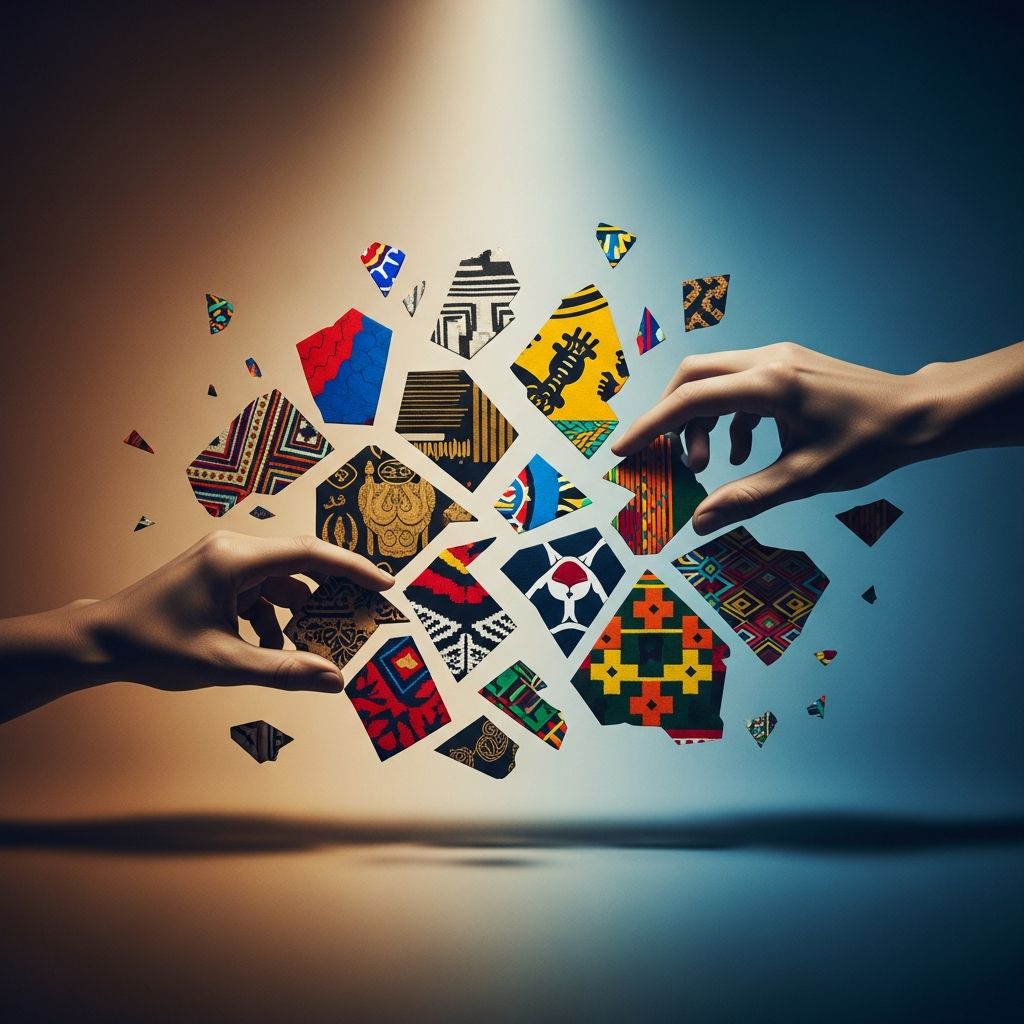
Cultural appropriation occurs when members of a dominant group adopt elements from a marginalized culture in ways that exploit, disrespect, or stereotype those elements, often without acknowledgment or permission. This practice perpetuates harm by reinforcing power imbalances and commodifying sacred traditions.
Defining the Core Concepts
At its essence, cultural appropriation involves taking practices, symbols, or artifacts from one culture—typically a minority or subordinated one—by those from a more privileged group, leading to misrepresentation or profit without crediting origins. Unlike neutral exchange, it thrives on unequal power structures where the borrowing group faces no repercussions while the source culture suffers stigma.
Culture itself encompasses shared beliefs, customs, arts, and symbols that define group identity. When these are borrowed exploitatively, it dilutes their meaning and erases historical context. For instance, Jason Baird Jackson describes it as a ‘structural inversion of assimilation,’ where dominant groups claim subordinated cultures’ elements as their own.
Power Dynamics: The Hidden Driver
Power imbalance is central to why certain borrowings qualify as appropriation. Dominant cultures can adopt minority elements for trendiness or profit, while the originators face discrimination for the same. This double standard highlights systemic inequality.
- Dominance Appropriation: A powerful culture imposes its norms while extracting from others, like forcing Western attire on non-Westerners yet adopting their aesthetics.
- Exploitation Appropriation: Profiting from elements without compensation, such as early white artists claiming jazz without crediting Black innovators.
- Transcultural Appropriation: Blending elements from multiple sources, obscuring origins, as seen in Cuba’s multicultural history.
These dynamics reveal how appropriation sustains colonial legacies, turning cultural resistance into commodities.
Real-World Manifestations Across Industries
Appropriation appears in fashion, music, wellness, and more, often trivializing deep significance.
Fashion and Adornment Controversies
Non-Native individuals wearing Indigenous headdresses at festivals disrespects their ceremonial role earned through acts of bravery. Similarly, dreadlocks—tied to Black resistance against enslavement—draw admiration on white celebrities but job denials for Black people.
Music and Performance Profiteering
Madonna’s ‘Vogue’ video popularized voguing from Black and Latino drag ball culture, achieving commercial success while originators gained little. White artists historically co-opted jazz and blues, reaping rewards denied to Black creators.
Wellness and Spirituality Exploitation
The $4.2 trillion wellness industry sells ‘smudge kits’ by non-Indigenous sellers, stripping sacred Indigenous cleansing rituals. Yoga, rooted in South Asian devotion, becomes pricey fitness classes ignoring spiritual depth; phrases like ‘spirit animal’ or Om symbols on gymwear misuse Indigenous and Hindu sacred terms.
Why It Inflicts Real Damage
Appropriation harms by commodifying culture, perpetuating stereotypes, and causing identity erasure. Marginalized groups lose control over narratives, facing backlash for their own traditions while others profit.
| Type of Harm | Impact on Source Culture | Example |
|---|---|---|
| Economic Exploitation | No compensation for borrowed elements | Jazz origins uncredited |
| Social Stigma | Backlash for same practices | Dreadlocks discrimination |
| Cultural Dilution | Loss of sacred meaning | Smudging kits |
| Stereotype Reinforcement | Perpetuates caricatures | AAVE slang misuse |
These effects compound historical oppression, confusing younger generations about their heritage.
Cultural Appreciation: The Respectful Alternative
Not all borrowing is harmful; appreciation involves deep understanding, permission, and credit. Seek education, collaborate with originators, and avoid commodification.
- Study history and consult community members.
- Credit sources and support creators financially.
- Participate with humility, not as a trend.
For example, learning yoga from South Asian teachers honors its roots, unlike fitness-only commercialization.
Frequently Asked Questions (FAQs)
What is the difference between cultural appropriation and cultural exchange?
Cultural exchange is mutual and respectful, often between equals; appropriation exploits power imbalances without acknowledgment.
Can white people wear dreadlocks?
While possible, it risks appropriation if ignoring Black struggles with the style; context and intent matter.
Is Halloween costume cultural appropriation?
Yes, if stereotyping sacred attire like Native headdresses without respect.
How to avoid appropriating in fashion?
Research origins, buy from authentic makers, and prioritize cultural sensitivity.
Is fusion cuisine appropriation?
Not inherently, if crediting influences and avoiding mockery of traditions.
Navigating Modern Debates
Debates rage online and in media, with fashion brands scrutinized for insensitive designs. Critics argue overreach stifles creativity, but evidence shows unchecked borrowing harms.
Scholars like Fernando Ortiz highlight transcultural blends’ value when acknowledged. True progress demands ethical frameworks balancing innovation and respect.
In education, teach youth these nuances to foster empathy. Policymakers could enforce labeling for cultural products, ensuring profits reach originators.
References
- Cultural appropriation – Wikipedia — Wikipedia contributors. 2023-10-01. https://en.wikipedia.org/wiki/Cultural_appropriation
- What is Cultural Appropriation? — Cultureally. 2023-01-15. https://www.cultureally.com/blog/what-is-cultural-appropriation
- What Is Cultural Appropriation? | Britannica — Britannica. 2023-05-20. https://www.britannica.com/story/what-is-cultural-appropriation
- Cultural Appropriation vs. Appreciation – YWCA Spokane — YWCA Spokane. 2023-02-10. https://ywcaspokane.org/2023-racial-justice-challenge-cultural-appropriation-vs-appreciation/
- Cultural Appropriation and Wellness Guide — Native Governance Center. 2022-11-05. https://nativegov.org/resources/cultural-appropriation-guide/

Medha Deb is an editor with a master's degree in Applied Linguistics from the University of Hyderabad. She believes that her qualification has helped her develop a deep understanding of language and its application in various contexts. Medha specializes in the areas of beauty, health, sports, and wellness and is committed to ensuring that the content on the website is…