
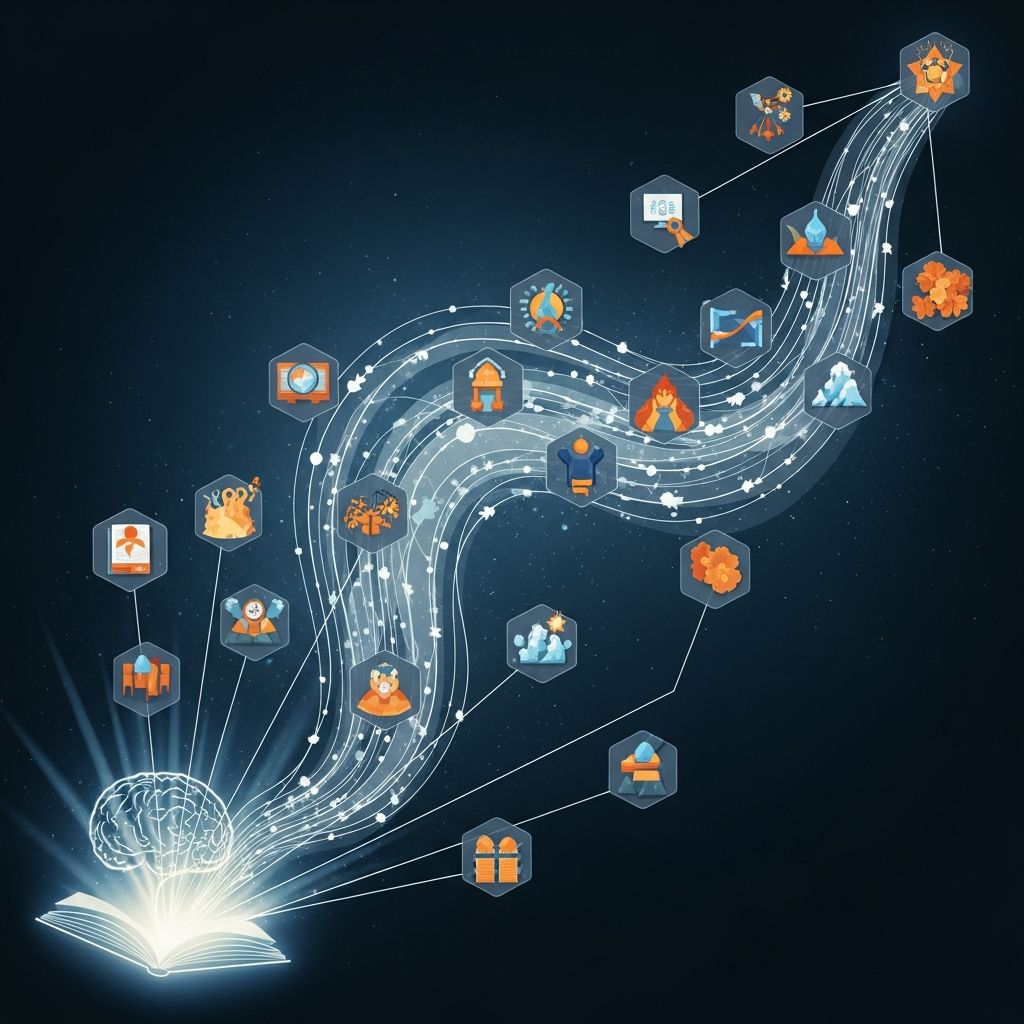
Cultural transmission refers to the process through which knowledge, values, norms, behaviors, and practices are transferred from one individual or generation to another via social learning rather than genetic inheritance. This mechanism underpins the continuity and evolution of human societies, allowing cultures to persist while adapting to new circumstances.
The Foundations of Cultural Inheritance
At its core, cultural transmission distinguishes human societies from other species by enabling the accumulation of complex knowledge over time. Unlike biological evolution, which relies on genetic mutation and natural selection, cultural evolution operates through imitation, teaching, and observation. This process begins in early childhood and continues throughout life, shaping personal identities and collective norms.
Sociologists and anthropologists emphasize that cultural transmission is not passive; it involves active engagement where individuals internalize societal expectations. For instance, children learn language nuances, moral codes, and customs through repeated exposure, reinforcing social cohesion.
Primary Pathways of Cultural Exchange
Cultural transmission occurs through distinct channels, each contributing uniquely to how information spreads within and across groups. Understanding these pathways reveals the multifaceted nature of cultural persistence.
- Vertical Transmission: This direct pathway flows from parents or immediate family to offspring, embedding core values and traditions early in life. Family rituals, like shared meals or holiday observances, exemplify this, fostering generational continuity.
- Horizontal Transmission: Peers within the same generation exchange ideas laterally, often through friendships, schools, or workplaces. This mode accelerates adaptation, as seen when youth adopt fashion trends or slang from classmates.
- Oblique Transmission: Knowledge passes from non-parental adults, such as teachers or community elders, to younger generations. Schools and mentorship programs embody this, bridging family and broader society.
These pathways interact dynamically; vertical provides stability, while horizontal and oblique introduce innovation, balancing tradition with change.
Mechanisms Driving the Process
Several mechanisms facilitate cultural transmission, making it efficient and adaptable. Language serves as the primary vehicle, encoding abstract concepts and histories into shareable forms. Storytelling, proverbs, and myths preserve narratives, while rituals reinforce emotional bonds to cultural elements.
Imitation and observational learning, rooted in social psychology, play crucial roles. Individuals model behaviors observed in respected figures, accelerating skill acquisition like craftsmanship or etiquette. Institutions such as education systems and religious organizations formalize these processes, standardizing transmission across populations.
| Mechanism | Description | Example |
|---|---|---|
| Language | Verbal and written symbols conveying complex ideas | Teaching proverbs to instill moral lessons |
| Imitation | Copying observed behaviors | Children mimicking parental greetings |
| Rituals | Repetitive symbolic acts | Communal festivals reinforcing unity |
| Institutions | Formal structures for teaching | Schools imparting historical knowledge |
Historical Evolution and Examples
Throughout history, cultural transmission has propelled societal advancements. Ancient oral traditions among Indigenous groups preserved ecological knowledge, enabling survival in harsh environments. The invention of writing revolutionized transmission, allowing scalable dissemination of laws, science, and philosophy, as in the spread of Greek texts across Europe.
In modern contexts, digital media exemplifies rapid horizontal transmission. Social platforms enable global diffusion of ideas, from viral challenges to political movements, altering cultural landscapes swiftly. Cross-cultural exchanges, like immigrant communities blending cuisines, demonstrate transmission’s role in hybrid cultures.
Impacts on Social Structure and Identity
Cultural transmission maintains social order by internalizing norms that regulate behavior, reducing conflict and promoting cooperation. It forges collective identities, where shared symbols—like national anthems—cultivate belonging.
However, disruptions such as migration or globalization can strain transmission, leading to cultural loss or revitalization efforts. Programs preserving endangered languages highlight proactive measures to sustain heritage.
Cultural Transmission in a Globalized World
Globalization amplifies oblique and horizontal pathways via mass media and migration. While enriching diversity, it risks homogenizing local traditions under dominant influences. Evolutionary models suggest cultures adapt through selective retention, where advantageous traits—like technological innovations—spread widely.
Empirical studies confirm vertical transmission favors stable traits, while horizontal thrives in volatile settings, aiding resilience. Policymakers leverage this by integrating multicultural education to foster inclusive transmission.
Challenges and Future Directions
Contemporary challenges include digital divides exacerbating unequal access to transmission channels and misinformation distorting knowledge flow. Climate change demands rapid cultural adaptation, such as sustainable practices, transmitted anew.
Future research may explore AI’s role in simulating transmission models, predicting cultural shifts. Interventions promoting equitable education could enhance transmission’s benefits for social equity.
Frequently Asked Questions
What distinguishes cultural transmission from genetic inheritance?
Cultural transmission relies on social learning and environment, not DNA, allowing faster adaptation and innovation.
How does cultural transmission contribute to societal evolution?
It enables accumulation of knowledge, selective retention of useful traits, and adaptation to new conditions, driving progress.
Can cultural transmission occur across different societies?
Yes, through diffusion, migration, and media, leading to cultural blending and exchange.
What role do schools play in cultural transmission?
Schools facilitate oblique transmission, standardizing knowledge and values beyond family influence.
Is cultural transmission always accurate across generations?
No, it involves reinterpretation and variation, allowing evolution but risking loss of original elements.
References
- What is Cultural Transmission Theory? (Easiest Explanation) — YouTube (Social Science Explainer). 2023. https://www.youtube.com/watch?v=z5dGQuEFUrA
- Cultural Transmission Theory — Simply Psychology. 2023-10-15. https://www.simplypsychology.org/cultural-transmission-theory.html
- Cultural Transmission | Definition, Theory & Examples — Study.com. 2024. https://study.com/academy/lesson/cultural-transmission-definition-theory.html
- Introduction to Cultural Transmission: Psychological, Developmental… — Cambridge University Press (PDF excerpt). 2008. https://assets.cambridge.org/97805217/06575/excerpt/9780521706575_excerpt.pdf
- What do we know about Cultural Transmission? — Christopher X.J. Jensen Blog (academic summary). 2016-01-29. http://www.christopherxjjensen.com/2016/01/29/what-do-we-know-about-cultural-transmission/
- Introduction. Cultural transmission and the evolution of human… — PMC (NCBI, peer-reviewed). 2008. https://pmc.ncbi.nlm.nih.gov/articles/PMC2575430/

Medha Deb is an editor with a master's degree in Applied Linguistics from the University of Hyderabad. She believes that her qualification has helped her develop a deep understanding of language and its application in various contexts. Medha specializes in the areas of beauty, health, sports, and wellness and is committed to ensuring that the content on the website is…