
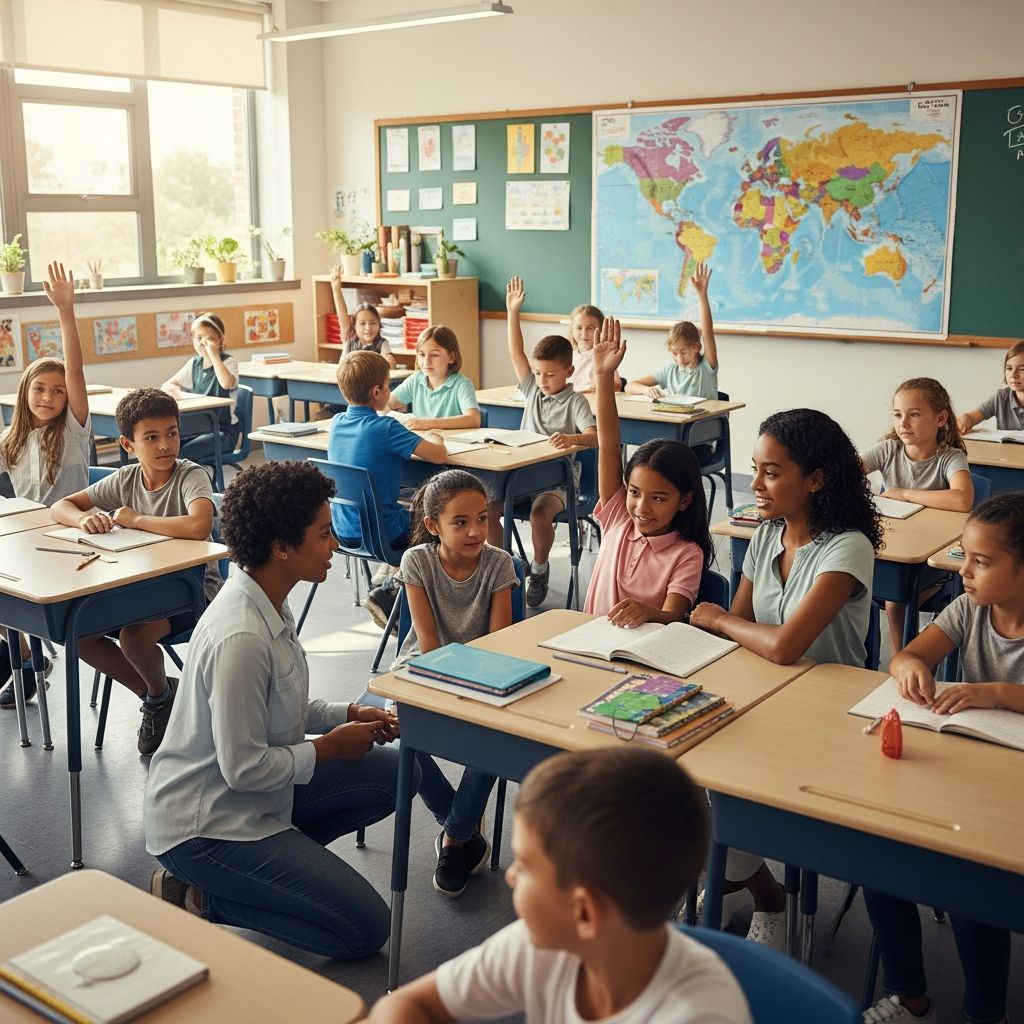
Culturally responsive classrooms empower every student by weaving their unique backgrounds into the fabric of learning. This approach not only bridges cultural gaps but also elevates academic performance and emotional well-being.
Understanding the Foundations of Cultural Responsiveness
At its core, culturally responsive teaching recognizes that students arrive with rich cultural assets shaped by family, community, and experiences. Educators must shift from a one-size-fits-all model to one that activates these assets for deeper engagement. Research shows this method strengthens identity, fosters equity, and sharpens critical thinking skills.
To begin, teachers should examine their own cultural lens. Self-reflection reveals biases that might influence classroom dynamics, ensuring fair treatment across diverse groups. This introspection sets the stage for authentic connections.
Building Strong Connections with Students and Families
Knowing students personally is foundational. Review cumulative records for insights into linguistic backgrounds, academic histories, and needs like IEPs. Follow up with direct conversations—ask about hobbies, traditions, and aspirations to build trust.
- Conduct informal interviews early in the year to uncover interests and preferred learning styles.
- Engage families through home visits or calls, learning about cultural practices that inform daily instruction.
- Host family nights where parents share stories, blending home and school worlds.
These steps create a welcoming atmosphere where students feel seen, reducing alienation and boosting participation.
Designing Inclusive Physical and Emotional Spaces
The classroom environment speaks volumes. Walls adorned with visuals from varied ethnicities, abilities, and socioeconomic realities signal belonging. Involve students in arranging desks for collaboration and displaying their artwork alongside global artifacts.
Establish routines that prioritize safety and accountability. Consistent affirmations—’Your perspective adds value’—counter stereotypes and affirm potential. Natural light, flexible seating, and student-led decor enhance cognitive and emotional responses.
| Element | Culturally Responsive Tip | Impact |
|---|---|---|
| Wall Displays | Rotate images of diverse role models | Builds representation |
| Seating | Flexible groups for peer interaction | Encourages community |
| Affirmations | Daily shout-outs tied to efforts | Fosters growth mindset |
Infusing Curriculum with Cultural Relevance
Transform standard lessons by linking them to students’ lives. For history units, connect events to community impacts or current news, sparking relevance. Use word problems featuring familiar foods, holidays, or local heroes from students’ cultures.
Activate prior knowledge: Prompt discussions drawing on personal experiences before new content. This anchors abstract ideas in the concrete, aiding retention. Diversify texts—stock libraries with authors from underrepresented groups, exploring identity themes via literature circles.
- Gamify lessons with culturally themed challenges, like mapping ancestral homelands.
- Incorporate multimedia: Videos in native languages offering alternative viewpoints on global events.
- Assign projects where students propose ideas rooted in their heritage, from concept to presentation.
Promoting Peer Learning and Collaboration
Leverage group dynamics to mirror communal values many cultures emphasize. Peer teaching lets students explain concepts using their vernacular and references, deepening understanding.
Design mixed-background teams for projects, building empathy through shared goals. Introduce code-switching discussions: When to adapt language while honoring home dialects. Competitive elements, like team quizzes, heighten engagement without division.
Focus groups and collaborative tasks ensure inclusion, where every voice contributes, enhancing social skills and solidarity.
High Expectations and Growth Mindset Cultivation
Maintain rigorous standards for all, viewing students as competent learners capable of excellence. Tailor challenges to underserved groups, providing scaffolds like visual aids or peer buddies.
Emphasize effort over innate talent: ‘Your practice is reshaping your brain.’ This counters deficit thinking, particularly for marginalized youth facing higher discipline rates.
Addressing Challenges and Celebrating Differences
Explicitly celebrate diversity—dedicate time for sharing traditions via family interviews or personal narratives. Teach empathy: Role-play perspectives during conflicts, modeling resolution.
Monitor for biases in discipline; culturally responsive management views behaviors through cultural lenses, reducing suspensions.[10] When differences arise, frame them as strengths: ‘Your viewpoint enriches our discussion.’
Measuring Success and Continuous Improvement
Track progress via engagement metrics: participation rates, project quality, and feedback surveys. Adjust based on student input—’What makes you feel included?’
Professional development sustains growth; collaborate with colleagues on strategies, reflecting annually on cultural integration.
Frequently Asked Questions
What is culturally responsive teaching?
It’s an educational framework using students’ cultural references to make learning relevant, rigorous, and inclusive.
How do I start self-reflection?
Journal about your biases, observe interactions, and seek feedback from diverse peers.
Can this work in standardized curricula?
Yes—adapt examples to student contexts while meeting objectives, like culturally infusing map lessons.
What if families are hard to reach?
Use digital surveys, student translators, or community liaisons to bridge gaps.
Does it improve outcomes for all students?
Absolutely; it boosts engagement, equity, and critical thinking across backgrounds.
References
- Culturally Responsive Teaching Guide (+10 Examples) — University of San Diego. 2023. https://pce.sandiego.edu/culturally-responsive-teaching-guide-10-examples/
- How to use culturally responsive teaching in the classroom — Understood.org. 2023. https://www.understood.org/en/articles/how-to-use-culturally-responsive-teaching-in-the-classroom
- 6 Culturally Responsive Pedagogy Strategies to Boost Student Engagement — Kritik.io. 2023. https://www.kritik.io/blog-post/culturally-responsive-pedagogy
- Culturally Responsive Teaching — National Equity Project. 2023. https://www.nationalequityproject.org/culturally-responsive-teaching
- 6 Ways to Make Teaching More Culturally Responsive — Edutopia. 2023. https://www.edutopia.org/article/6-ways-make-teaching-more-culturally-responsive/

Medha Deb is an editor with a master's degree in Applied Linguistics from the University of Hyderabad. She believes that her qualification has helped her develop a deep understanding of language and its application in various contexts. Medha specializes in the areas of beauty, health, sports, and wellness and is committed to ensuring that the content on the website is…