
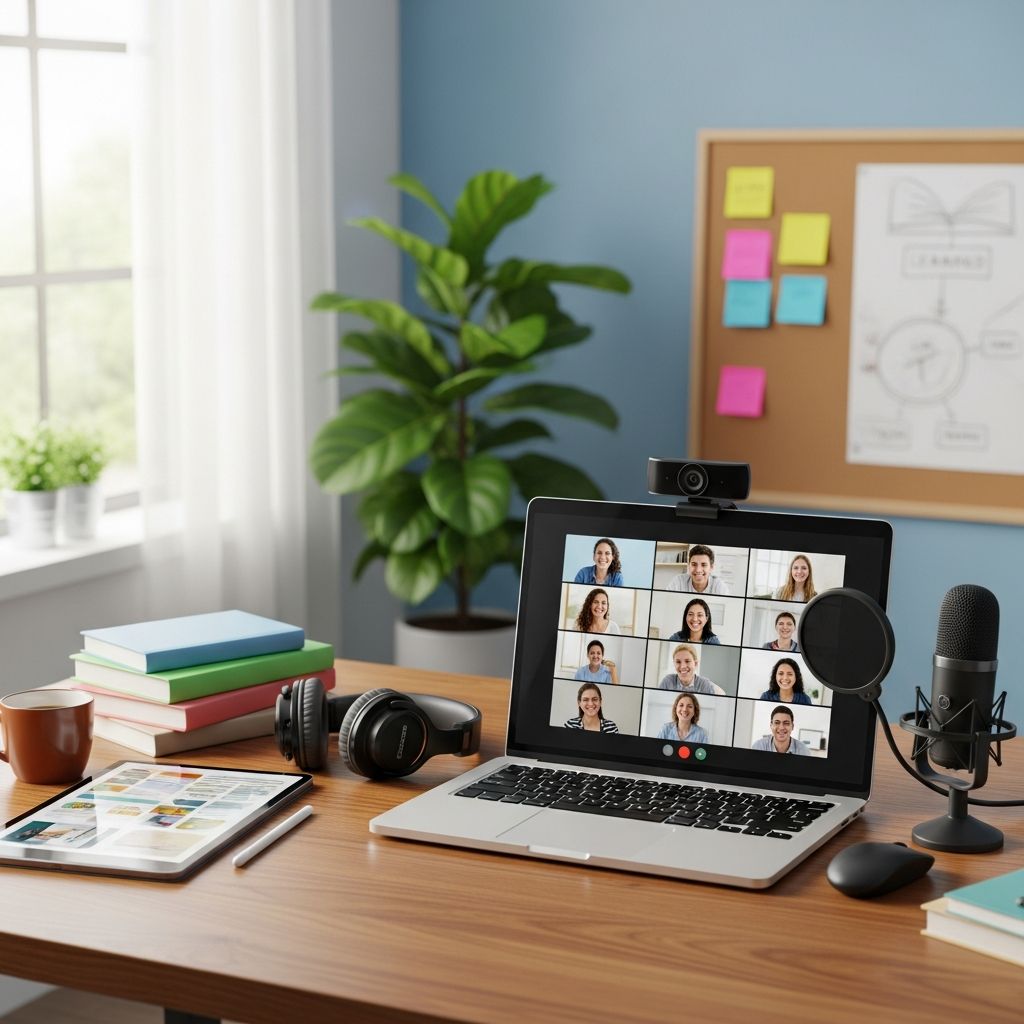
Remote teaching became a lifeline for education systems worldwide when pandemics forced school closures. Educators shifted from traditional classrooms to digital platforms overnight, adapting to deliver quality instruction despite technological barriers and emotional challenges. This article explores proven strategies, tools, and frameworks to make distance learning effective and inclusive.
Building a Strong Foundation for Virtual Classrooms
Success in remote teaching starts with clear structures and expectations. Teachers must establish routines that mimic in-person schedules to provide stability during disruptions. Consistency in posting assignments, setting deadlines, and holding virtual office hours helps students anticipate tasks and reduces anxiety.
Flexibility is equally vital. Not all students have equal access to devices or stable internet, so offering multiple submission options—like digital uploads, emails, or even photographed worksheets—ensures participation. Clear communication channels, such as dedicated apps or emails, keep parents and students informed of changes.
- Define weekly schedules with specific days for lessons, quizzes, and feedback sessions.
- Share a course syllabus outlining tools, policies, and support resources upfront.
- Use platforms like Google Classroom or Moodle for centralized access to materials.
Leveraging Technology for Seamless Delivery
Technology bridges the gap between physical and virtual learning, but selection must prioritize accessibility. Asynchronous content, such as pre-recorded videos and interactive modules, accommodates varying time zones and schedules. Tools like YouTube for education or Khan Academy offer ready-made resources that teachers can curate.
Synchronous sessions via Zoom or Microsoft Teams enable real-time interaction but should focus on high-value activities like discussions or problem-solving. Features like breakout rooms foster small-group collaboration, while polls gauge understanding instantly.
| Tool Type | Examples | Best Use | Accessibility Notes |
|---|---|---|---|
| Video Conferencing | Zoom, Teams | Live discussions, Q&A | Offer recordings; use low-data modes |
| Learning Management Systems | Google Classroom, Canvas | Assignments, grading | Mobile-friendly; offline access options |
| Interactive Content | Kahoot, Quizlet | Quizzes, gamification | Free tiers available |
| Content Creation | Loom, Screencastify | Short explainer videos | Quick recording; no editing needed |
Blended approaches combining sync and async methods maximize reach. For instance, assign videos for review before live sessions, allowing deeper exploration during calls.
Strategies to Engage Diverse Learners Remotely
Engagement drops without face-to-face cues, so purposeful activities are key. Replace lectures with interactive elements: digital whiteboards for brainstorming, forums for debates, and gamified quizzes for reinforcement. Asynchronous tasks encourage self-paced learning, vital for students juggling home responsibilities.
Address equity by providing low-bandwidth alternatives, like text-based discussions or printable packets. Peer feedback loops, facilitated through shared docs, build community and reduce teacher workload.
- Incorporate multimedia: short videos (under 10 minutes), infographics, and podcasts.
- Use pods or fixed groups for ongoing collaboration across sessions.
- Focus synchronous time on complex topics where students struggle most.
Supporting Teachers in the Shift to Online
Professional development is crucial. Quick training on tools like Zoom’s breakout rooms or polling equips educators for success. Ongoing coaching from instructional leaders helps refine techniques, such as giving timely feedback or designing equitable assessments.
Mental health matters too. Set boundaries to prevent burnout, like designated non-working hours. Communities of practice, via webinars or teacher forums, share tips and provide emotional support.
The Role of Families in Remote Success
Parents become co-educators in remote setups. Provide guides on platform navigation and daily routines. Encourage family involvement in reflections, turning learning into home discussions. This partnership equalizes access and boosts motivation.
- Host parent webinars on tech setup and study tips.
- Share progress trackers for family monitoring.
- Offer multilingual resources for diverse households.
Addressing Challenges in Digital Equity
Not all students start equal. Surveys reveal gaps in device access and quiet spaces. Solutions include school-issued hotspots, community learning centers, and offline kits. Policy adjustments, like pass/fail grading, prioritize well-being over perfection.
For English learners and special needs students, add captions, simplified language, and extended deadlines. Universal Design for Learning (UDL) principles—multiple means of representation, expression, and engagement—make content adaptable.
Measuring Impact and Iterating
Track progress with formative assessments: quick quizzes, journals, or video submissions. Analytics in LMS platforms highlight at-risk students for targeted support. Regular surveys solicit feedback to refine approaches.
Post-pandemic analysis shows human interaction trumps tech alone. Prioritize feedback-rich environments over busywork.
Frequently Asked Questions (FAQs)
What if a student lacks internet access?
Provide printable packets, phone check-ins, or USB drives with materials. Partner with libraries for Wi-Fi hotspots.
How do I keep students motivated online?
Gamify tasks, celebrate milestones, and personalize feedback. Build relationships through one-on-one virtual chats.
What’s the ideal length for async videos?
Keep under 6-10 minutes to maintain attention. Use chapters and transcripts for skimming.
How can I handle large class sizes virtually?
Divide into pods, rotate breakout roles, and use async for basics. Asynchronous forums handle overflow discussions.
Are there free tools for beginners?
Yes: Google Workspace for Education, YouTube, Padlet. Many offer premium discounts for schools.
Future-Proofing Education Post-Pandemic
Pandemics accelerated edtech adoption, blending remote and in-person models permanently. Investments in teacher training and infrastructure ensure resilience. Hybrid frameworks now emphasize interaction, equity, and adaptability.
Lessons learned: technology enables scale but teachers drive impact. Ongoing innovation, like AI tutors and VR labs, promises richer experiences ahead.
References
- 7 Tips for Teaching Online During the COVID-19 Pandemic — William Paterson University. 2020. https://online.wpunj.edu/degrees/education/med/educational-leadership/teaching-online-during-covid19-pandemic/
- Supporting Students’ Learning During COVID-19 School Closures — New Mexico Public Education Department. 2020-04-16. https://web.ped.nm.gov/wp-content/uploads/2025/01/Educators-Distance-Learning-Toolkit_Final_updated04.16.20-1.pdf
- Distance Learning Resources for Educators and Parents — Florida Education Association. 2020-04-30. https://feaweb.org/covid19hub/digital-learning-resources-for-educators-and-parents/
- Remote teaching during COVID-19: Implications from a national survey — PMC (Peer-reviewed). 2022. https://pmc.ncbi.nlm.nih.gov/articles/PMC9758514/
- Guidance on distance learning — UNESCO. Accessed 2026. https://www.unesco.org/en/digital-education/distance-learning-guidance

- Integrated M.A. in Applied Linguistics, University of Hyderabad
- 5+ years in editorial, instructional, SEO, and research-based writing
Sneha is a relationships and lifestyle writer with a strong foundation in applied linguistics and certified training in relationship coaching. She brings over five years of writing experience to theskillvault, crafting thoughtful, research-driven content that empowers readers to build healthier relationships, boost emotional well-being, and embrace holistic living. Her writing and insights reflect the belief that beauty, happiness, and wellness…