
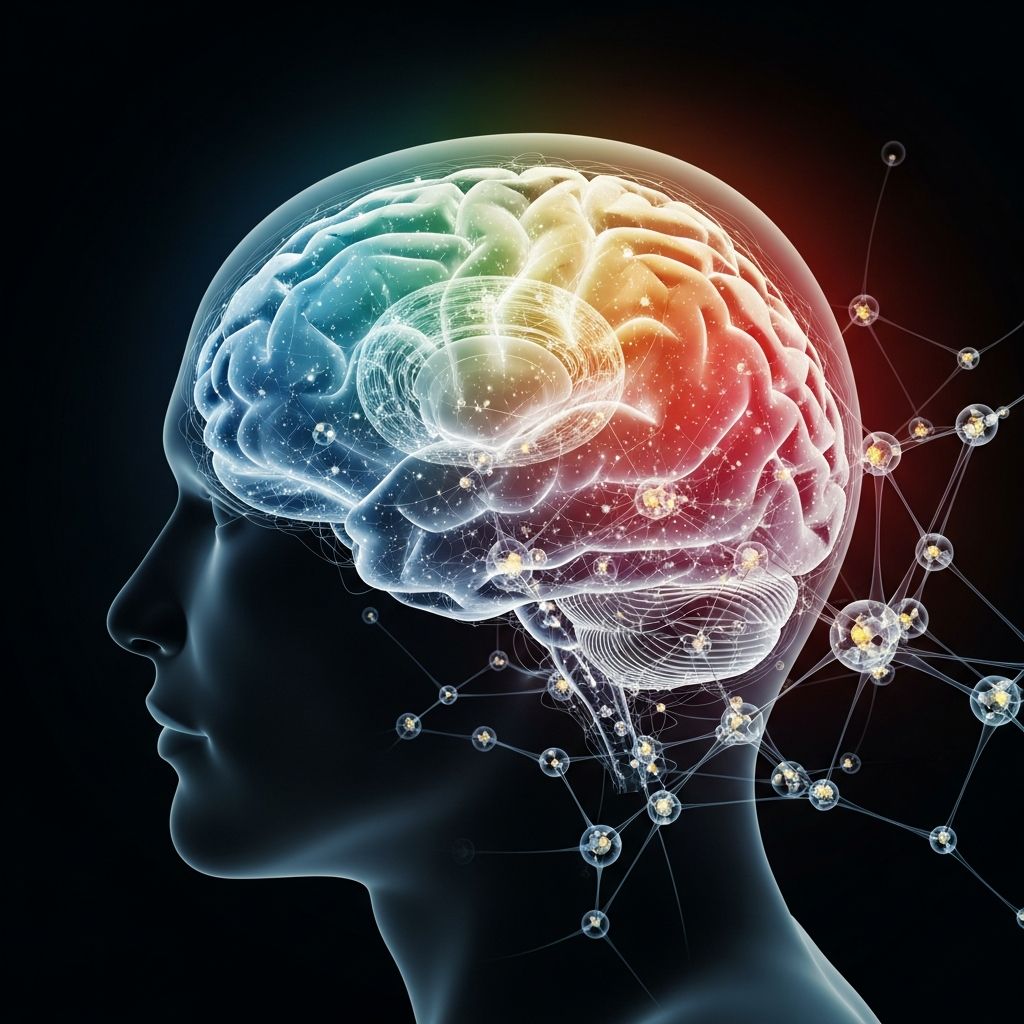
Emotional intelligence (EI) represents the capacity to recognize, understand, and manage one’s own emotions while navigating those of others effectively. In professional settings, it serves as a cornerstone for success, influencing everything from daily interactions to long-term career trajectories. Unlike technical skills, EI equips individuals to thrive amid uncertainty, build resilient teams, and drive organizational outcomes.
Research underscores EI’s role in fostering motivated, innovative workforces. Leaders practicing EI create climates where employees feel valued, spurring creativity and growth awareness. This article delves into EI’s transformative benefits, practical development strategies, and real-world applications, empowering you to elevate your professional impact.
Understanding the Foundations of Emotional Intelligence
At its core, EI encompasses self-awareness, self-regulation, motivation, empathy, and social skills. Self-awareness involves tuning into personal emotional states, enabling objective decision-making. Self-regulation prevents impulsive reactions, promoting composure under pressure.
Motivation fuels intrinsic drive toward goals, while empathy allows attunement to colleagues’ feelings, enhancing relational bonds. Social skills facilitate networking and conflict navigation. Together, these components yield adaptability and resilience, vital in fast-evolving workplaces.
Organizations investing in EI training report heightened productivity and harmony. Employees with refined EI manage time effectively, set clear goals, and sustain focus, directly boosting output.
Key Benefits Driving Professional and Organizational Success
EI delivers measurable advantages, from individual fulfillment to collective efficiency. Below, we outline primary gains supported by evidence.
Superior Communication and Relationship Building
EI sharpens verbal and non-verbal exchanges, ensuring clarity and active listening. Professionals articulate ideas precisely while decoding others’ cues, minimizing misunderstandings. This fosters trust, essential for collaboration and client interactions.
In teams, strong communicators bridge gaps, enhancing cohesion. Empathy amplifies this by validating perspectives, reducing friction and promoting inclusive dialogue.
Effective Stress Reduction and Resilience
Workplace pressures like deadlines trigger stress, yet EI practitioners identify triggers early and deploy coping strategies. This maintains focus and prevents burnout, lowering negative moods and bolstering positive ones.
Resilient individuals rebound from setbacks swiftly, adapting to changes with optimism. Such adaptability is crucial in volatile markets, where EI sustains performance amid uncertainty.
Empowered Leadership and Influence
Leaders with high EI inspire through emotional insight, motivating teams by aligning with their drives. They navigate dynamics adeptly, making informed decisions that galvanize efforts.
Empathetic managers support well-being, influencing mental health positively—70% of employees cite managers as primary influencers over therapists. This yields engaged, innovative teams.
Streamlined Conflict Resolution
Conflicts arise inevitably, but EI enables de-escalation via trigger recognition and composure. Solutions-oriented approaches consider all viewpoints, preserving relationships.
Teams with EI skills resolve disputes constructively, minimizing disruptions and strengthening dynamics. This promotes accountability, as individuals own impacts on peers.
Elevated Teamwork and Collaboration
EI cultivates mutual respect, aligning efforts toward shared objectives. Emotionally aware members anticipate colleague needs, enhancing group efficacy.
Collaborative environments see amplified problem-solving and innovation, as diverse inputs converge without groupthink pitfalls.
Heightened Engagement and Satisfaction
Feeling understood boosts commitment, with EI training directly elevating engagement. Satisfied employees exhibit loyalty, reducing turnover and sustaining motivation.
Strategic Decision-Making and Judgment
Clear emotional perspectives prevent bias-driven choices. EI users pause for reflection, yielding thoughtful outcomes that advance operations.
Customer Service and External Relations
Empathy extends to clients, improving interactions and loyalty. EI-driven service anticipates needs, differentiating organizations.
Career Acceleration and Accountability
EI positions individuals for advancement, as relational prowess signals leadership potential. Accountability grows through feedback embrace and responsibility ownership.
Practical Strategies to Cultivate Emotional Intelligence
Developing EI requires deliberate practice. Start with daily self-reflection: Journal emotions and triggers to build awareness. Practice mindfulness to regulate responses, enhancing resilience.
- Seek feedback regularly: Solicit colleague insights on your interpersonal impact to refine empathy.
- Active listening exercises: Paraphrase others’ points in conversations to deepen understanding.
- Role-playing scenarios: Simulate conflicts to hone resolution tactics.
- Mentorship programs: Pair with EI-proficient peers for modeling.
- Training workshops: Engage in structured EI development for skill-building.
Organizations can embed EI via team-building, recognition of emotionally savvy behaviors, and integrating assessments into reviews.
Comparative Impact: EI vs. Traditional Skills
| Aspect | Technical Skills Alone | With High EI |
|---|---|---|
| Adaptability | Limited to known methods | Thrives in change, resilient |
| Leadership | Directive style | Inspirational, empathetic |
| Team Dynamics | Task-focused | Relationally strong, collaborative |
| Stress Handling | Reactive | Proactive, balanced |
| Career Growth | Skill-based promotions | Holistic advancement |
This table illustrates EI’s amplifying effect, creating multifaceted professionals.
Real-World Applications Across Industries
In tech, EI aids agile teams navigating rapid iterations. Healthcare professionals use empathy for patient trust-building. Sales leverage it for rapport, closing deals ethically.
Remote work amplifies EI’s value, compensating for absent cues via intentional check-ins.
Frequently Asked Questions (FAQs)
What is emotional intelligence in a professional context?
EI is the ability to perceive, use, understand, and manage emotions in self and others to facilitate workplace success, including better decisions and relationships.
Can emotional intelligence be learned?
Yes, through consistent practice like reflection, training, and feedback, anyone can develop EI competencies.
How does EI impact leadership effectiveness?
EI leaders motivate via emotional insight, fostering positive climates that enhance innovation and retention.
Why is empathy crucial in teams?
Empathy builds understanding, reduces conflicts, and promotes collaboration, leading to cohesive, productive groups.
What role does EI play in remote work?
It bridges communication gaps, sustains engagement, and manages isolation-induced stress effectively.
Measuring and Sustaining EI Growth
Assessments like the Emotional Competence Inventory track progress. Set milestones, such as leading a resolved conflict monthly. Organizations benefit from EI metrics tied to performance.
Sustained growth demands ongoing commitment, yielding compounding returns in fulfillment and impact.
References
- 12 benefits of emotional intelligence in the workplace — Lumenalta. 2023. https://lumenalta.com/insights/12-benefits-of-emotional-intelligence-in-the-workplace
- The 10 Benefits of Emotional Intelligence in the Workplace — Manage Magazine. 2023. https://managemagazine.com/article-bank/emotions-emotional-intelligence/the-10-benefits-of-emotional-intelligence-in-the-workplace/
- Workplace Success Starts with Emotional Intelligence — Yale School of Medicine. 2023. https://medicine.yale.edu/news-article/workplace-success-starts-with-emotional-intelligence/
- 12 Benefits of Emotional Intelligence Training in the Workplace — Teachfloor. 2023. https://www.teachfloor.com/blog/emotional-intelligence-training
- Emotional intelligence in the workplace — Brightmine. 2023. https://www.brightmine.com/us/resources/talent-management/employee-engagement/emotional-intelligence-in-the-workplace/
- The Importance of Emotional Intelligence in the Workplace — USC Applied Psychology. 2023. https://appliedpsychologydegree.usc.edu/blog/emotional-intelligence-in-the-workplace
- What is emotional intelligence and how does it apply to the workplace? — Mental Health America. 2023. https://mhanational.org/resources/what-is-emotional-intelligence-and-how-does-it-apply-to-the-workplace/
- Emotional intelligence, leadership, and work teams — National Library of Medicine (NIH). 2023-10-01. https://pmc.ncbi.nlm.nih.gov/articles/PMC10543214/

Medha Deb is an editor with a master's degree in Applied Linguistics from the University of Hyderabad. She believes that her qualification has helped her develop a deep understanding of language and its application in various contexts. Medha specializes in the areas of beauty, health, sports, and wellness and is committed to ensuring that the content on the website is…