
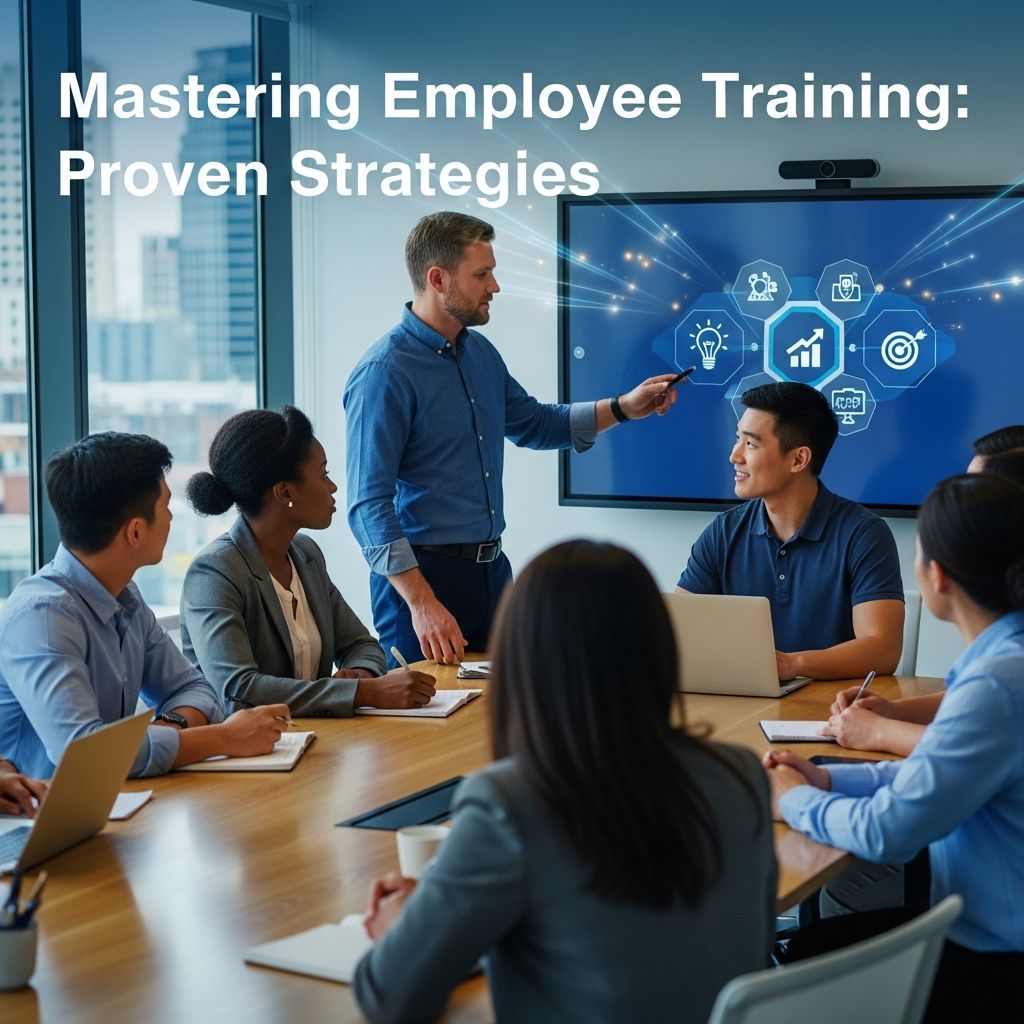
Effective employee training is the cornerstone of organizational success, enabling teams to adapt, innovate, and perform at peak levels. By selecting the right approaches, leaders can transform raw potential into tangible results, fostering a culture of continuous improvement.
Understanding the Foundations of Successful Training
Training begins with a clear assessment of needs. Organizations must identify skill gaps through performance reviews, surveys, and departmental feedback to tailor programs that address specific challenges. This targeted approach ensures resources are used efficiently, leading to measurable gains in productivity and employee morale.
Key principles include relevance, engagement, and applicability. Programs should align with business goals, such as enhancing customer service or mastering new technologies, while keeping learners actively involved. Practical application in real-world scenarios solidifies learning, making it stick beyond the session.
Exploring Diverse Training Methodologies
A variety of methods caters to different learning styles and objectives. Blending techniques often yields the best outcomes, as mixed-modality training has shown superior engagement and retention compared to single formats.
- Case Study Analysis: Participants dissect real or hypothetical scenarios to sharpen analytical skills. This method excels in building decision-making abilities for complex problem-solving.
- Interactive Sessions: Incorporating games, role-playing, and simulations creates immersive experiences. These boost motivation through rewards and allow safe practice of high-stakes interactions, like client negotiations.
- Video and Microlearning: Short, focused videos break down topics into digestible chunks, ideal for busy schedules. This format supports quick knowledge uptake on trends or compliance topics.
Hands-On Learning: On-the-Job and Mentorship Approaches
Practical training accelerates proficiency by integrating learning directly into daily tasks. On-the-job methods, including internships and job rotations, expose workers to diverse roles, enhancing versatility and company loyalty.
Mentorship pairs novices with seasoned professionals for personalized guidance. Structured programs, like those at global firms, align new hires with company culture while building technical expertise. This relational dynamic not only transfers skills but also strengthens team bonds and retention.
| Method | Best For | Benefits | Challenges |
|---|---|---|---|
| On-the-Job Training | Practical skills | Quick results, real application | Requires supervision |
| Mentorship | Cultural integration | Personalized, relational growth | Time-intensive for mentors |
| Job Rotations | Broad exposure | Increased motivation, adaptability | Potential productivity dips |
Digital and Virtual Training Innovations
E-learning platforms and instructor-led virtual sessions offer flexibility for remote teams. Online modules with quizzes and interactive elements track progress in real-time, allowing self-paced advancement. Video-based content, enhanced by microlearning, improves retention by focusing on bite-sized lessons.
Workshops via webinars combine live discussions with hands-on activities, mimicking in-person benefits. These are particularly effective for compliance training, ensuring all employees meet regulatory standards without logistical hurdles.
Specialized Training for Leadership and Compliance
Leadership development focuses on soft skills like communication and conflict resolution. Targeted workshops prepare high-potentials for management roles, cultivating future leaders.
Compliance and safety programs deliver essential knowledge on regulations, such as data privacy laws. These mandatory sessions reduce risks and promote a secure environment. Wellness initiatives, covering nutrition and stress management, further support holistic employee health, indirectly boosting focus and output.
Measuring Training Impact and Ensuring Transfer
Success hinges on transfer—applying learned skills back at work. Studies indicate only about 30% of training content is typically implemented without structured support, underscoring the need for follow-up. Pre- and post-assessments quantify knowledge gains, while feedback surveys gauge satisfaction and application barriers.
- Real-time tracking via quizzes monitors engagement.
- Performance metrics link training to outcomes like error reduction.
- Learner interviews refine future programs.
Organizations should conduct cost-benefit analyses, weighing expenses against ROI in productivity and satisfaction. Positive transfer correlates with higher job satisfaction and career growth.
Overcoming Common Training Pitfalls
Generic programs often fail due to lack of customization. Avoid one-size-fits-all by segmenting audiences—entry-level vs. executives. Insufficient follow-up leads to knowledge decay; implement refresher sessions and accountability check-ins.
Resistance from employees can stem from overload or irrelevance. Communicate benefits clearly and involve them in planning to build buy-in. For virtual formats, combat screen fatigue with varied activities and breaks.
Building a Culture of Lifelong Learning
Embed training into the company ethos by setting aside dedicated time and resources. Recognize achievements through certifications or shout-outs to reinforce value. Leaders modeling learning behaviors inspire participation.
Scalable systems, like learning management software, centralize resources and analytics. Regular audits ensure programs evolve with industry shifts, maintaining competitiveness.
Case Studies: Real-World Training Triumphs
Global tech giants have thrived with mentorship-heavy onboarding, aligning diverse teams across continents. Healthcare providers use simulations for safety drills, drastically cutting incident rates. Manufacturing firms report 20-30% productivity lifts from blended on-the-job and e-learning combos.
Future Trends in Employee Development
AI-driven personalization tailors content to individual paces, predicting needs via data. VR simulations expand for immersive skill-building in fields like engineering. Emphasis on soft skills grows amid automation, prioritizing human-centric training.
Frequently Asked Questions (FAQs)
What is the most effective employee training method?
Blended approaches combining interactive, on-the-job, and digital elements prove most effective, enhancing engagement and retention.
How do you measure training ROI?
Use pre/post assessments, performance metrics, and surveys to track knowledge gains, application rates, and business impacts like reduced errors.
Can training improve employee retention?
Yes, by investing in growth, organizations boost satisfaction and loyalty, with skilled workers less likely to leave.
What are the costs of poor training?
Inadequate programs lead to errors, low productivity, and high turnover, costing far more than proactive investment.
How often should training occur?
Annually for compliance, quarterly for skills refreshers, and ongoing via microlearning for adaptability.
References
- 7 Types of Training Methods (and How to Choose) — ELM Learning. 2023. https://elmlearning.com/blog/training-methods/
- 8 Proven Training Methods to Improve Employee Performance — CPSHR. 2024. https://cpshr.us/blog-article/training-to-improve-employee-performance/
- Today’s Best Methods for Employee Training Effectiveness — BizLibrary. 2023. https://www.bizlibrary.com/blog/learning-methods/training-effectiveness-methods/
- How to maximize the impact of workplace training — Taylor & Francis Online. 2024-03-15. https://www.tandfonline.com/doi/full/10.1080/1359432X.2024.2319082

Medha Deb is an editor with a master's degree in Applied Linguistics from the University of Hyderabad. She believes that her qualification has helped her develop a deep understanding of language and its application in various contexts. Medha specializes in the areas of beauty, health, sports, and wellness and is committed to ensuring that the content on the website is…