
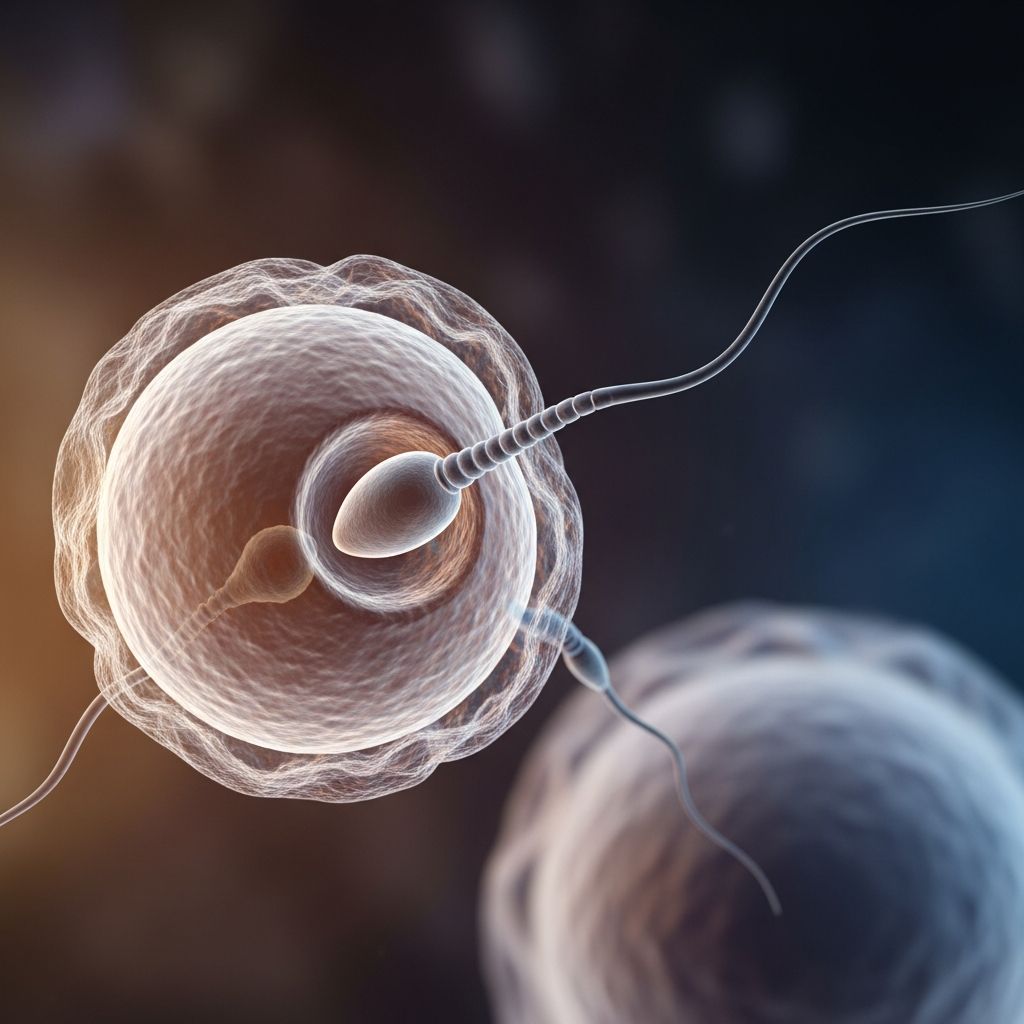
Sexual reproduction relies on **fertilization**, the fusion of male and female gametes to form a zygote, ensuring genetic diversity essential for species adaptation. This process varies widely across organisms, primarily through external or internal mechanisms, each suited to specific environments and evolutionary pressures.
Foundations of Gamete Production and Union
Gametes—sperm from males and eggs from females—are produced via meiosis, halving chromosome numbers to create haploid cells. In humans, spermatogenesis occurs in testes, yielding motile sperm, while oogenesis in ovaries produces larger, nutrient-rich ova. Fertilization merges these, restoring diploidy and initiating embryonic development.
The zygote forms when sperm penetrates the egg, triggering activation for cleavage and growth. This union introduces genetic variation through recombination, enhancing adaptability. Across taxa, fertilization strategies balance offspring quantity, survival, and parental investment.
External Fertilization: Strategies in Aquatic Realms
**External fertilization** involves releasing gametes into the environment, typical in aquatic species like fish, amphibians, and invertebrates. Males and females synchronize spawning, dispersing millions of eggs and sperm into water, where proximity increases fusion chances.
This method thrives in watery habitats preventing desiccation, with broadcast spawning promoting gene mixing for diversity. Sessile organisms like sponges rely on currents for gamete dispersal, enabling colonization. However, high predation and dilution risks mean low success rates, offset by vast numbers.
- Advantages: High genetic variability from multiple parental contributions; low energy per offspring.
- Disadvantages: Vulnerability to environmental hazards and predators; requires precise timing.
Examples include frog choruses releasing gametes into ponds and sea urchins synchronizing via chemical cues. Offspring often develop externally with protective coatings.
Internal Fertilization: Precision in Terrestrial and Aquatic Life
**Internal fertilization** occurs within the female, common in land animals and some aquatic species like sharks. Sperm is deposited via copulation, fertilizing eggs inside her body, yielding higher success via protection.
Post-fertilization, three developmental paths emerge: oviparity (eggs laid), ovoviviparity (eggs hatched internally), and viviparity (live birth). Oviparous species like birds lay shelled eggs; ovoviviparous reptiles nourish via yolk internally; viviparous mammals use placentas.
| Method | Description | Examples | Survival Benefit |
|---|---|---|---|
| Oviparity | Eggs develop externally after internal fertilization | Reptiles, birds | Protective shells reduce predation |
| Ovoviviparity | Eggs hatch inside female | Some fish, snakes | Internal shelter boosts viability |
| Viviparity | Live birth with maternal nourishment | Mammals, sharks | Placenta ensures high survival |
Internal methods favor quality over quantity, with embryos shielded from drying and predators.
Molecular Mechanisms: From Sperm Approach to Zygote
Fertilization’s cellular dance begins with sperm capacitation in mammals, enhancing motility in the female tract. The **acrosome reaction** releases enzymes breaching egg barriers like corona radiata and zona pellucida.
Sperm binds via receptors (e.g., IZUMO1), fusing membranes and delivering the nucleus. The egg’s cortical reaction expels granules, hardening the zona to block polyspermy. Pronuclei then fuse, forming the diploid zygote.
Mutations like IZUMO1 knockout in mice prevent fusion, underscoring specificity. These steps ensure monospermy and genetic integrity.
Evolutionary Trade-offs and Adaptations
External fertilization suits unstable environments with abundant offspring; internal fits stable ones prioritizing survival. Aquatic external methods maximize diversity amid high mortality; terrestrial internal reduces risks.
Some aquatic species blend strategies, like seahorses with internal fertilization and male brooding. Parental care evolves alongside, from none in spawners to extensive in viviparous mammals. Climate shifts influence prevalence, with internal dominating land transitions.
Fertilization in Human Reproduction
In humans, internal fertilization occurs in fallopian tubes. Semen delivers sperm to the cervix; survivors capacitate, undergoing acrosome reactions. One penetrates the oocyte within 24 hours post-ovulation.
Post-fusion, the zygote divides, implanting in the uterus. This ensures diploid restoration and development. Infertility often traces to acrosomal or fusion failures.
Comparative Insights Across Kingdoms
While focused on animals, plants use pollen tubes for internal-like fertilization; fungi employ hyphae. Animal diversity highlights adaptations: amphibians shift from external to internal with metamorphosis.
Genetic studies reveal conserved proteins like Izumo across species, suggesting ancient origins.
Frequently Asked Questions (FAQs)
What distinguishes external from internal fertilization?
External releases gametes externally for environmental fusion; internal deposits sperm inside the female.
Why is the acrosome reaction vital?
It deploys enzymes for egg penetration, essential for sperm entry.
How does polyspermy get prevented?
Cortical reaction alters the zona pellucida, repelling extra sperm.
Which method yields higher offspring survival?
Internal, due to protection, though fewer are produced.
Can external fertilization occur on land?
Rarely; moisture is crucial, limiting it mostly to aquatic settings.
Implications for Conservation and Research
Understanding fertilization aids conservation: external spawners face pollution threats disrupting synchrony. Assisted reproduction mimics processes, like IVF bypassing barriers. Future research targets fusion proteins for fertility therapies.
Genetic diversity from fertilization underpins evolution; disruptions risk population declines.
References
- 43.2A: External and Internal Fertilization — Biology LibreTexts. 2023-10-15. https://bio.libretexts.org/Bookshelves/Introductory_and_General_Biology/General_Biology_(Boundless)/43:_Animal_Reproduction_and_Development/43.02:_Fertilization/43.2A:_External_and_Internal_Fertilization
- Fertilization and Implantation — BYJU’S Biology. 2023-05-20. https://byjus.com/biology/fertilization-and-implantation/
- The cell biology of fertilization: Gamete attachment and fusion — PMC (NIH). 2021-09-01. https://pmc.ncbi.nlm.nih.gov/articles/PMC8406655/
- Fertilization | Biology for Majors II — Lumen Learning. 2023-08-10. https://courses.lumenlearning.com/suny-wmopen-biology2/chapter/fertilization/
- Reproductive System | Fertilization — Ninja Nerd (YouTube Lecture). 2023-01-12. https://www.youtube.com/watch?v=H5hqwZRnBBw

- Integrated M.A. in Applied Linguistics, University of Hyderabad
- 5+ years in editorial, instructional, SEO, and research-based writing
Sneha is a relationships and lifestyle writer with a strong foundation in applied linguistics and certified training in relationship coaching. She brings over five years of writing experience to theskillvault, crafting thoughtful, research-driven content that empowers readers to build healthier relationships, boost emotional well-being, and embrace holistic living. Her writing and insights reflect the belief that beauty, happiness, and wellness…