
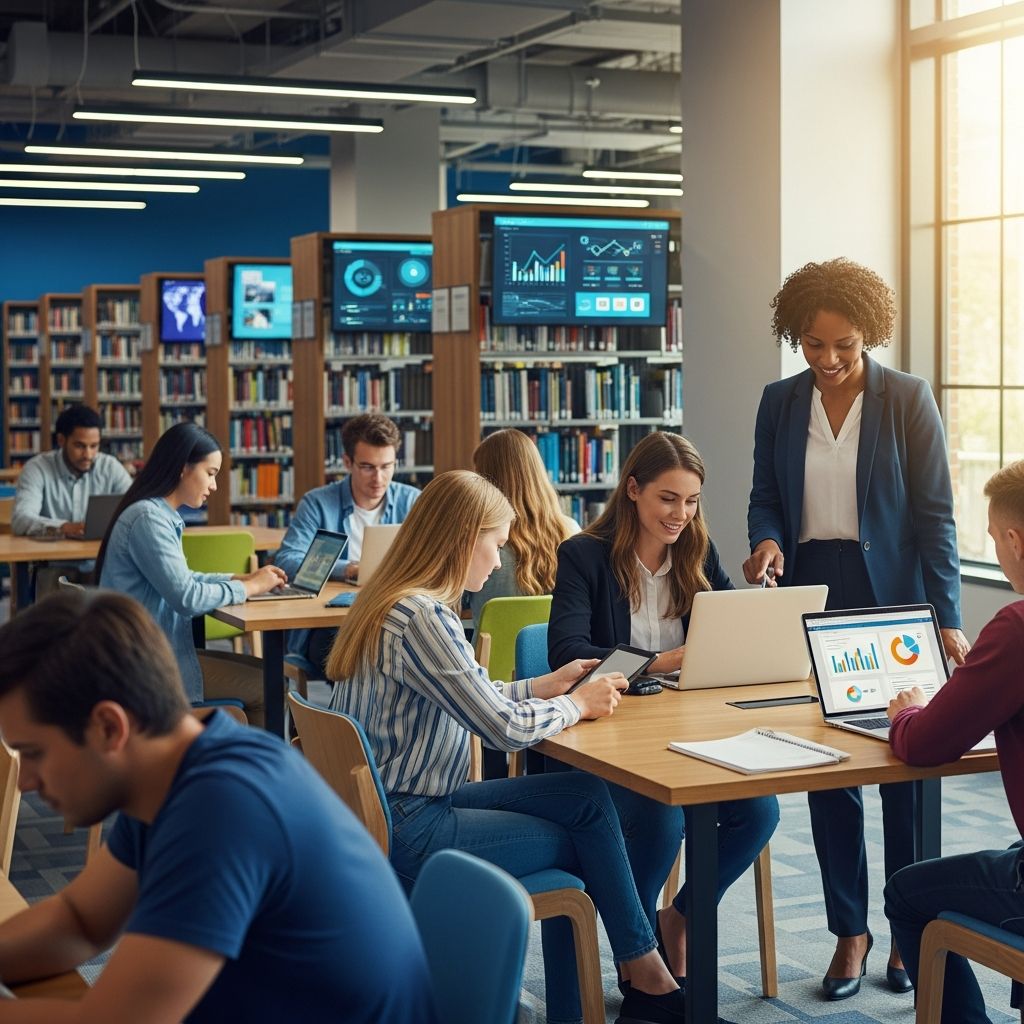
Public libraries serve as vital hubs for students in online schooling programs, providing free access to diverse educational materials, technology, and social opportunities that complement digital curricula. These institutions bridge gaps in remote learning by offering hands-on resources and community engagement.
Rich Collections for Every Learner
Libraries house extensive collections tailored to various age groups and interests, from beginner picture books to advanced research materials. Online students benefit from exploring physical books, e-books, audiobooks, and multimedia that align with their virtual coursework, allowing personalized pacing and deeper dives into subjects.
- Children’s areas feature engaging stories and visual aids to spark early literacy.
- Teen sections provide novels, magazines, and academic journals for project research.
- Special displays during events like science weeks or history months offer timely, themed content.
This variety caters to different learning styles, helping students discover passions beyond online algorithms.
Technology and Makerspaces Ignite Innovation
Many libraries lend devices like laptops, tablets, and Wi-Fi hotspots, essential for online learners facing tech barriers at home. Makerspaces equipped with 3D printers, robotics kits, and craft tools enable practical application of classroom concepts, promoting STEM skills and creativity.
| Resource Type | Benefits for Online Students |
|---|---|
| Device Loans | Ensures reliable internet and computing for assignments |
| Makerspaces | Hands-on projects to reinforce virtual lessons |
| Digital Databases | Access to journals and e-resources from home |
These tools extend learning beyond screens, fostering problem-solving in real-world settings.
Focused Study Environments Enhance Productivity
Quiet reading rooms, private study pods, and group collaboration areas create distraction-free zones ideal for online students. Unlike home setups, these spaces promote concentration, note-taking, and peer discussions without household interruptions.
Librarians often guide students in research techniques, citation methods, and database navigation, building critical skills for academic success.
Events and Programs Build Social Connections
Libraries host story hours, book discussions, teen workshops, and cultural festivals that combat isolation in virtual schooling. These gatherings develop communication, teamwork, and cultural awareness while tying into school topics.
- Story times for young learners encourage language development.
- Book clubs for older students spark debates and friendships.
- Workshops on digital literacy or coding align with curricula.
Such activities provide structured socialization, vital for holistic growth.
The Power of a Library Card
A simple library card unlocks home access to e-materials, databases, and interlibrary loans, extending library benefits 24/7. It teaches responsibility through due dates and item care, while saving families money on educational resources.
Online students can reserve items, stream media, or download study aids via apps, integrating seamlessly with remote schedules.
Cost-Effective Support for Families
For tuition-free online public school families, libraries eliminate expenses on books, subscriptions, and tech. They also distribute info on local services, volunteering, and programs, supporting overall family well-being.
Integrating Libraries into Daily Routines
Parents and learning coaches should schedule regular visits, starting with tours of age-specific areas. Encourage exploration, event attendance, and card usage to make libraries a routine educational pillar.
Apps for catalog browsing and holds keep engagement high between visits.
Digital Complements to Physical Libraries
While physical visits offer unique discoveries, digital library extensions provide anytime access to vast collections. Features like advanced search tools, multimedia formats, and cloud storage expand options without space limits.
Schools partnering with libraries enhance this hybrid model, ensuring equitable access.
Research Skills and Lifelong Learning
Libraries teach navigation of information sources, evaluation of credibility, and organized research—skills amplifying online education. Exposure to global resources broadens perspectives, preparing students for future challenges.
FAQs
What resources do libraries offer online students?
Libraries provide books, e-books, tech loans, study spaces, makerspaces, and events tailored to virtual learners.
Is a library card free for students?
Yes, most public libraries issue free cards to residents, including students, with no fines on student accounts in many cases.
How do libraries help with remote learning isolation?
Through group study areas, clubs, and programs that facilitate peer interactions and community ties.
Can libraries lend technology?
Many do, including laptops, hotspots, and tablets to support home-based online schooling.
Are digital resources available remotely?
Absolutely, via library cards for e-books, databases, and apps accessible 24/7.
Conclusion
Incorporating public libraries into online education routines unlocks academic enrichment, skill-building, and social benefits, creating well-rounded learners equipped for success.
References
- Benefits of Public Libraries for Students — Connections Academy. 2023. https://www.connectionsacademy.com/support/resources/article/going-to-the-library-can-have-a-positive-impace-on-online-school-students/
- Main Benefits of Digital Libraries at School — FSR, Inc. 2023. https://fsrinc.com/fsr-press-room/252-main-benefits-of-digital-libraries-at-school
- 9 Benefits of Libraries for College Students You Cannot Ignore — Post University. 2023. https://post.edu/blog/9-benefits-of-libraries-for-college-students/
- School Libraries Build Strong Students — American Association of School Librarians (AASL), ALA. 2018. https://www.ala.org/sites/default/files/aasl/content/aaslissues/advocacy/AASL_infographic.pdf
- Need back-to-school resources? Your public library has you covered — Georgia Libraries. 2023. https://georgialibraries.org/need-back-to-school-resources-your-public-library-has-you-covered/

- Integrated M.A. in Applied Linguistics, University of Hyderabad
- 5+ years in editorial, instructional, SEO, and research-based writing
Sneha is a relationships and lifestyle writer with a strong foundation in applied linguistics and certified training in relationship coaching. She brings over five years of writing experience to theskillvault, crafting thoughtful, research-driven content that empowers readers to build healthier relationships, boost emotional well-being, and embrace holistic living. Her writing and insights reflect the belief that beauty, happiness, and wellness…