
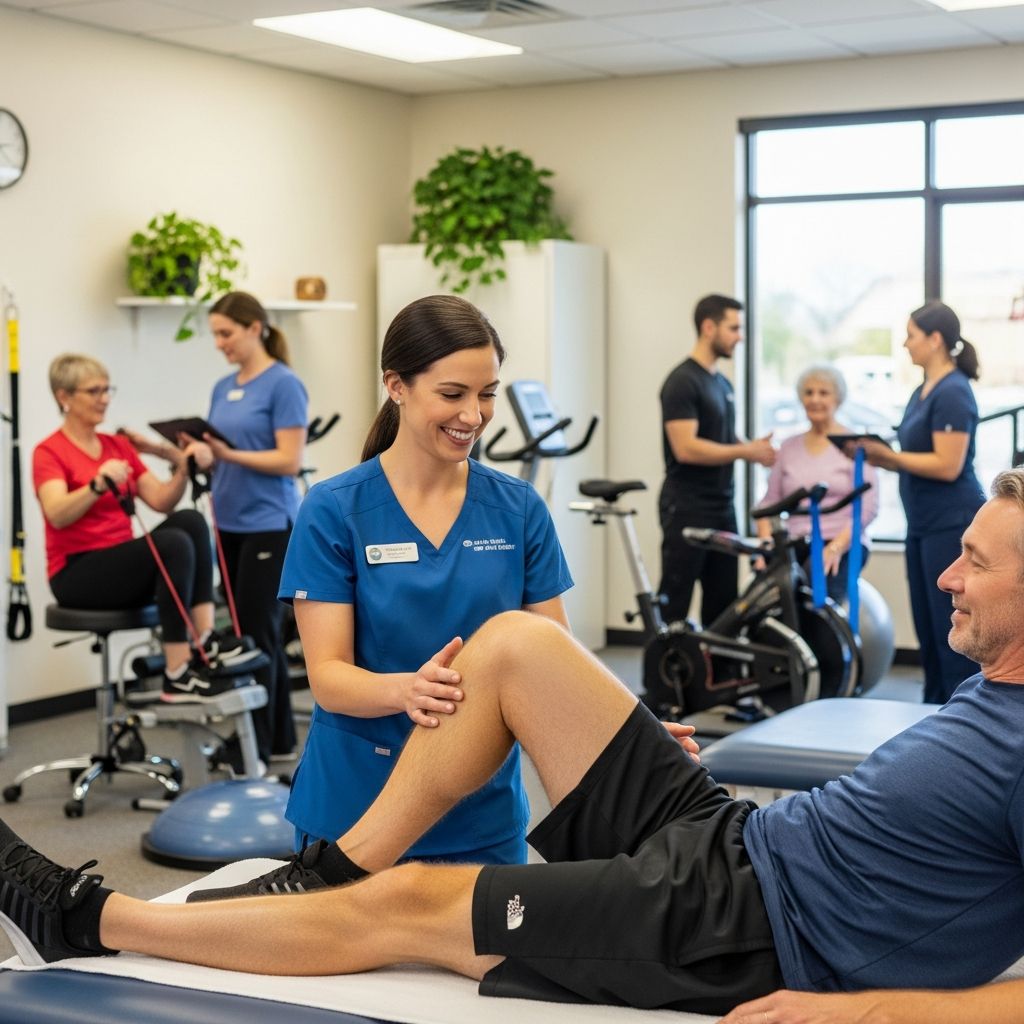
Launching Your Journey in Physical Therapy
Physical therapy represents one of the most fulfilling careers in the healthcare industry, offering professionals the opportunity to make a tangible difference in patients’ lives every single day. Whether you’re drawn to helping athletes recover from injuries, assisting elderly patients regain mobility, or supporting individuals through rehabilitation after surgery, a career in physical therapy provides meaningful work coupled with strong job security and growth potential. Understanding the educational pathway, professional requirements, and strategic career moves will set you up for success in this dynamic field.
The Educational Foundation: Starting with Your Bachelor’s Degree
The first stepping stone in your physical therapy career begins with completing a bachelor’s degree. Unlike some healthcare professions that require specific undergraduate majors, physical therapy offers flexibility in your choice of academic focus. Many students choose majors in kinesiology, biology, exercise science, or psychology, which naturally align with the knowledge needed for clinical practice. However, what matters most is building a solid academic foundation in the sciences rather than following a predetermined path.
During your undergraduate years, you’ll need to complete essential prerequisite coursework that forms the scientific backbone of physical therapy practice. These courses typically include anatomy, physiology, chemistry, physics, and kinesiology, along with required laboratory components. Beyond academics, this period is crucial for gaining practical experience. Many successful physical therapy students volunteer or work as physical therapy aides in various clinical settings—hospitals, rehabilitation centers, sports medicine clinics, or outpatient facilities. This hands-on experience serves multiple purposes: it confirms your passion for the field, demonstrates your commitment to admissions committees, and provides invaluable insight into the daily realities of physical therapy practice.
Your undergraduate GPA carries significant weight in the competitive DPT application process. Most accredited programs require a minimum cumulative GPA of 3.0, though competitive programs often seek candidates with GPAs of 3.5 or higher. This academic performance demonstrates your ability to handle the rigorous coursework ahead in graduate school.
Navigating Graduate Education: The Doctor of Physical Therapy Degree
After earning your bachelor’s degree, the next critical milestone is pursuing a Doctor of Physical Therapy (DPT) degree from a Commission on Accreditation in Physical Therapy Education (CAPTE) accredited program. This graduate degree is the minimum educational requirement to practice as a licensed physical therapist in all U.S. states and is essential for passing licensing examinations.
Program Duration and Structure
DPT programs are intensive, full-time experiences typically spanning three years. The curriculum integrates both classroom learning and extensive clinical practice. Your coursework will cover core sciences including anatomy, physiology, movement science, exercise physiology, kinesiology, neuroscience, and pharmacology, supplemented by lab-based training in assessment techniques and therapeutic interventions. Beyond traditional academics, you’ll engage in courses on clinical patient management, evidence-based practice, and professional ethics—preparing you not just as a clinician but as a healthcare professional committed to continuous improvement.
What distinguishes a DPT program from typical graduate degrees is the substantial clinical component embedded throughout the curriculum. Students spend extensive hours in supervised clinical rotations across diverse settings, gaining real-world experience under the mentorship of experienced physical therapists in their communities. The number of required clinical hours varies by program, but students should expect several hundred hours of hands-on patient care experience. Programs requiring more clinical hours provide greater hands-on experience and better preparation for independent practice.
Application Process and Prerequisites
Applying to DPT programs requires careful planning and attention to specific requirements. Most programs utilize the Physical Therapist Centralized Application Service (PTCAS), which streamlines the submission process across multiple schools. Before applying, you must verify that your coursework and demonstrated experiences meet each program’s prerequisites, as requirements vary by institution.
Clinical observation experience is a critical prerequisite that strengthens your application. Many programs require 40 to 3,050 hours of physical therapy observation, depending on the institution. This experience should ideally span different physical therapy settings—acute care, outpatient clinics, sports medicine, pediatrics, geriatrics—demonstrating your well-rounded exposure to the profession’s diversity.
Graduate entrance examination requirements differ among programs. While some DPT programs traditionally required the Graduate Record Examination (GRE), an increasing number have eliminated this requirement, choosing instead to focus on components that more directly reflect readiness for the program: your academic background, prerequisite coursework, personal statement, and observation hours.
Advanced Training Pathways: Residencies and Fellowships
Upon completing your DPT degree, your educational journey doesn’t necessarily end. Many physical therapists pursue residency or fellowship programs to gain advanced training, specialized expertise, and mentorship in specific areas of practice. These optional programs allow you to develop deeper knowledge in specializations such as orthopedic surgery, neurological rehabilitation, sports medicine, geriatric care, or pediatric physical therapy. Pursuing advanced training demonstrates commitment to excellence and can significantly enhance your career prospects and earning potential.
Licensure and Professional Certification
Becoming a licensed physical therapist involves several critical steps beyond earning your DPT degree. After graduation, you must pass the National Physical Therapy Examination (NPTE), administered by the Federation of State Boards of Physical Therapy. This comprehensive examination is offered four times annually, providing multiple opportunities to prepare and sit for the test. Understanding that candidates can retake the NPTE up to three times within a 12-month period provides some reassurance during this high-stakes examination.
Beyond the national examination, state-specific requirements vary. Some states, including California, require candidates to pass an additional California Law Examination (CLE) alongside the NPTE. After successful examination completion, you must submit a formal license application to your state’s physical therapy board, which typically includes required documentation, application fees, and submission to a criminal background check.
Building Your Professional Identity and Career Strategy
Transitioning from student to practicing physical therapist marks the beginning of your professional career development. Your first positions significantly shape your career trajectory, so choose them thoughtfully. Consider what patient populations energize you, what work environments suit your personality and lifestyle preferences, and what specializations align with your long-term career goals. Some therapists prefer fast-paced acute care settings, while others thrive in outpatient clinics with longitudinal patient relationships or specialized sports medicine practices.
Professional development doesn’t stop after licensure. Continuing education, professional memberships, and networking within the physical therapy community enhance your expertise and open doors to advancement. Many physical therapists pursue additional certifications in specialized areas, teach in academic programs, conduct research, or transition into administrative or leadership roles as their careers progress.
Understanding the Career Landscape
The physical therapy profession continues experiencing robust demand, with employment opportunities expected to grow substantially. This favorable job market reflects demographic trends, increasing awareness of rehabilitation’s importance, and expanding access to physical therapy services. The combination of job security, the opportunity to make meaningful patient impact, and competitive compensation makes physical therapy an attractive healthcare career.
Physical therapists work across diverse settings including hospitals, outpatient rehabilitation clinics, sports medicine facilities, schools, home health agencies, and private practices. This variety allows you to design a career that matches your interests and lifestyle preferences. Some therapists build independent practices, while others prefer collaborative team environments. The flexibility in career paths means you can evolve your practice as your professional interests develop.
Key Considerations for Success
Academic Excellence: Strong grades, particularly in prerequisite sciences, demonstrate your capability to handle graduate-level coursework. Invest in your undergraduate preparation as a foundation for graduate school success.
Practical Experience: Volunteer work and observation hours aren’t just application requirements—they’re your opportunity to confirm your passion and build professional networks. Seek diverse experiences across different settings and patient populations.
Holistic Preparation: Beyond academics, develop strong communication skills, emotional intelligence, and physical stamina. Physical therapy requires connecting with diverse patients, adapting to individual needs, and managing the physical demands of clinical practice.
Financial Planning: DPT programs represent significant investment. Research program costs, explore financial aid options, and consider the return on investment as you evaluate programs.
Long-term Vision: Think beyond licensure to your five-year and ten-year goals. Do you envision specialization, academic involvement, leadership roles, or research contributions? Your early career choices should align with these aspirations.
Frequently Asked Questions About Physical Therapy Careers
Q: How long does it take to become a licensed physical therapist?
A: Typically, the journey takes six to eight years total. You’ll need four years for your bachelor’s degree (with prerequisite coursework), three years for your DPT program, plus time for licensure examination preparation and application processing. Some programs offer accelerated 3+3 combinations that condense undergraduate and graduate education into six years total.
Q: What’s the difference between a DPT and an MPT degree?
A: Both Doctor of Physical Therapy (DPT) and Master of Physical Therapy (MPT) degrees qualify graduates to sit for licensure examinations. However, the DPT has become the standard entry-level degree, with most programs now offering DPT rather than MPT credentials. The educational depth and clinical preparation are comparable, though DPT programs typically place additional emphasis on research and evidence-based practice.
Q: Do all DPT programs require the GRE?
A: No. While many programs traditionally required GRE scores, an increasing number have eliminated this requirement. Instead, they evaluate your academic record, prerequisite coursework completion, clinical observation experience, and personal statement. Contact programs directly to understand their specific requirements.
Q: How many clinical observation hours do I need before applying to DPT programs?
A: Requirements vary significantly by program, ranging from 40 hours to over 3,000 hours. Most programs expect somewhere between several hundred to 1,000 hours. Aim to accumulate observation experience in multiple settings to demonstrate comprehensive exposure to the profession.
Q: Can I specialize in physical therapy immediately, or should I gain general experience first?
A: Most therapists benefit from gaining general clinical experience after licensure before pursuing specialization through residency or fellowship programs. This approach builds foundational competency and helps clarify which specialization truly interests you. Specialization programs typically require 1-2 years of full-time practice or equivalent experience before enrollment.
Q: What skills beyond academics are important for physical therapy success?
A: Physical therapy demands strong interpersonal skills, empathy, patience, and adaptability. You’ll work with patients experiencing pain, frustration, and fear. Physical stamina is also essential, as you’ll spend significant time on your feet, assisting patients through movement. Problem-solving ability and attention to detail contribute to effective treatment planning.
Moving Forward With Confidence
Pursuing a career in physical therapy represents a commitment to continuous learning, patient-centered care, and professional excellence. By understanding the complete educational pathway, meeting prerequisites thoughtfully, selecting an accredited program that aligns with your goals, and approaching licensure with adequate preparation, you establish a strong foundation for a rewarding career. The physical therapy profession welcomes passionate individuals dedicated to helping others recover, rehabilitate, and reach their functional potential. Your journey toward becoming a physical therapist begins with informed decision-making and deliberate action—both of which position you for long-term success in this vital healthcare field.
References
- Physical Therapist – Explore Healthcare Careers — Mayo Clinic College of Medicine and Science. Accessed 2025-12-09. https://college.mayo.edu/academics/explore-health-care-careers/careers-a-z/physical-therapist/
- Education requirements for physical therapists — CompHealth. 2012-10-30. https://comphealth.com/resources/education-requirements-for-physical-therapists
- Why Become A Physical Therapist? — University of Southern California Physical Therapy. Accessed 2025-12-09. https://pt.usc.edu/about/why-become-a-physical-therapist/
- How to Become a Physical Therapist in California: Degrees, Licensing, and PT Career Steps — Southern California University of Health Sciences. Accessed 2025-12-09. https://www.scuhs.edu/dpt-article/how-to-become-a-physical-therapist-in-california-degrees-licensing-and-pt-career-steps/
- How to Become a Physical Therapist in California — Interface Rehab. Accessed 2025-12-09. https://www.interfacerehab.com/blog/how-to-become-a-physical-therapist-in-california/
- How to Become a Physical Therapist in California — West Coast University. Accessed 2025-12-09. https://westcoastuniversity.edu/about/career-guides/how-to-become-a-physical-therapist-in-california
- How to Become a Physical Therapist: A Helpful Guide to a Rewarding Career — Philadelphia Institute of Technology. Accessed 2025-12-09. https://www.pit.edu/news/how-to-become-a-physical-therapist-a-helpful-guide-to-a-rewarding-career/

- Integrated M.A. in Applied Linguistics, University of Hyderabad
- 5+ years in editorial, instructional, SEO, and research-based writing
Sneha is a relationships and lifestyle writer with a strong foundation in applied linguistics and certified training in relationship coaching. She brings over five years of writing experience to theskillvault, crafting thoughtful, research-driven content that empowers readers to build healthier relationships, boost emotional well-being, and embrace holistic living. Her writing and insights reflect the belief that beauty, happiness, and wellness…