
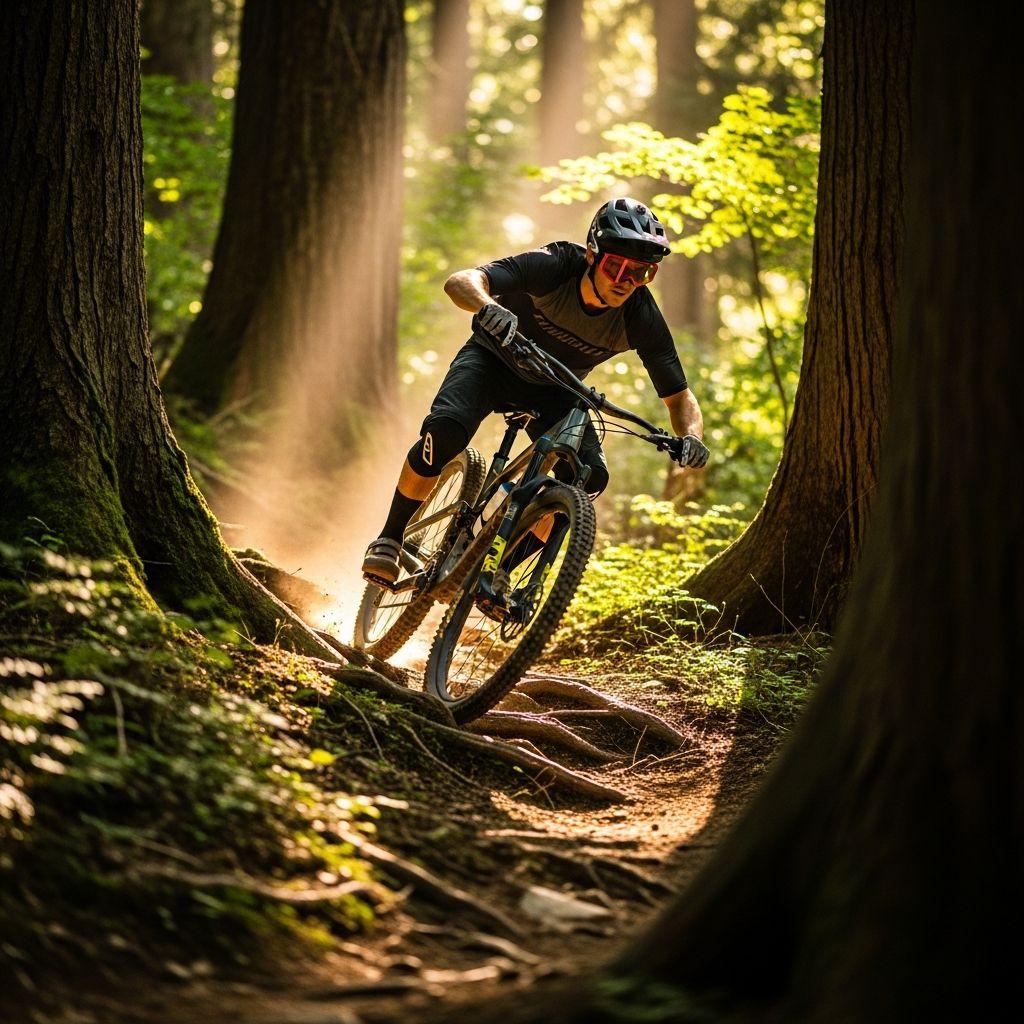
Transforming Passion Into Professional Mountain Biking
Mountain biking has evolved from a niche recreational activity into a legitimate career path for dedicated athletes worldwide. However, transitioning from enthusiast to professional requires far more than simply being fast on the trails. The modern professional mountain biker must understand business fundamentals, develop strategic partnerships, and maintain consistent competitive performance. This journey demands careful planning, realistic goal-setting, and an entrepreneurial mindset that extends beyond athletic ability.
The foundation of a professional mountain biking career rests on recognizing that success in this industry operates differently from traditional employment. Unlike most careers where employers hire based on credentials, professional mountain bikers must demonstrate their value through measurable results, build a personal brand, and actively market themselves to potential sponsors. Understanding this fundamental difference shapes every decision made on the path to professionalism.
Determining Your Mountain Biking Discipline
Mountain biking encompasses multiple distinct disciplines, each with unique demands, competition structures, and career trajectories. Before investing years of training and resources, aspiring professionals must carefully consider which discipline aligns with their physical attributes, interests, and long-term goals.
Cross-country racing emphasizes endurance and aerobic fitness, requiring athletes to maintain high intensities over extended distances. This discipline attracts competitors with exceptional cardiovascular capacity and mental toughness. Downhill racing, conversely, prioritizes speed, technical skill, and fearlessness on steep terrain, rewarding explosive power and precise bike handling. Enduro combines elements of both disciplines, featuring timed descents mixed with untimed climbs, demanding versatility and adaptability. Freeride focuses on creative expression and progression through natural and built features, prioritizing style and technical innovation over race times.
Your chosen discipline significantly impacts training methodologies, equipment investments, and sponsorship opportunities. Each category attracts different types of sponsors and offers varying income potential. Thoroughly evaluate your natural strengths, personal preferences, and the competitive landscape within each discipline before committing your resources and training focus.
Establishing a Foundation Through Competitive Racing
The most direct pathway to professional status begins with competitive racing success. Sponsors and team managers closely monitor race results as primary indicators of athlete quality. Beginning your competitive journey at local and regional events allows you to develop racing experience, build confidence, and establish initial credibility within your cycling community.
Local competitions serve multiple purposes beyond accumulating race experience. They provide opportunities to test equipment, understand pacing strategies, identify technical weaknesses, and build relationships with other competitors and industry professionals. Regional championships represent the next progression tier, attracting more serious competitors and establishing a broader competitive resume. Success at this level catches the attention of coaches, mechanics, and potential sponsors who scout developing talent.
As your results improve, pursuing national-level competitions becomes essential. These events feature higher-caliber competition, increased media coverage, and direct access to team managers and sponsors seeking sponsorship partnerships. Consistent top finishes at national competitions create the competitive credibility necessary to attract serious sponsorship offers. International competition through World Cup events or world championships represents the pinnacle of amateur achievement and opens doors to full-time professional opportunities.
The Critical Role of Sponsorship in Professional Viability
Mountain biking competition prizes rarely provide sufficient income to sustain a professional career. Prize purses typically range from modest amounts for regional events to several thousand dollars for elite international competitions. Most professional mountain bikers earn the majority of their income through sponsorship arrangements rather than race winnings.
Sponsorships function as partnerships between athletes and companies aligned with the mountain biking industry. Bicycle manufacturers, component producers, nutrition companies, apparel brands, and lifestyle companies all invest in athlete sponsorships as marketing vehicles. These agreements typically provide cash payments, free equipment, travel reimbursement, and other benefits in exchange for the athlete’s participation in competitions, social media promotion, and brand representation.
The sponsorship landscape operates competitively and requires athletes to position themselves strategically. Sponsors select athletes based on competitive results, audience reach, marketability, and alignment with brand values. An athlete with exceptional race results but minimal social media following may struggle to attract sponsorship funding compared to a slightly less successful competitor with significant social media influence. This reality means professional mountain bikers must simultaneously develop their athletic capabilities and personal brand presence.
Building Your Personal Brand and Market Presence
Modern sponsorship decisions increasingly depend on an athlete’s ability to extend brand reach beyond traditional race viewership. Companies evaluate potential athletes based on social media followers, engagement rates, content quality, and audience demographics. Building a meaningful personal brand requires consistent, authentic communication with followers through multiple platforms.
Social media presence serves multiple functions in a professional mountain biking career. It demonstrates audience reach and marketability to potential sponsors, creates direct communication channels with fans, showcases personality and lifestyle alongside athletic achievement, and provides content opportunities for brand partners. Rather than viewing social media as secondary to athletic training, successful professional riders integrate content creation into their overall career strategy.
Beyond social media, professional mountain bikers can build their personal brand through other content creation channels. Photography, videography, blogging, and podcast appearances establish athletes as thought leaders within their discipline. Athletes who articulate their training philosophy, share technical insights, or document their competitive journey create additional value for sponsors beyond their race performances alone. This multifaceted approach to personal branding increases overall marketability and creates alternative revenue streams independent of race winnings.
Developing Comprehensive Technical and Physical Skills
Competitive success demands technical proficiency that transcends basic bike handling ability. Professional mountain bikers must master advanced trail techniques, understand bike setup optimization, and continuously refine their skills across various terrain types and conditions.
Technical skill development requires deliberate, focused practice targeting specific weaknesses rather than repeatedly practicing already-mastered techniques. Aspiring professionals should identify technical challenges within their chosen discipline and dedicate training sessions specifically to these areas. Coaching relationships prove invaluable for technical development, as experienced coaches recognize technical inefficiencies and prescribe targeted exercises to address them.
Physical conditioning extends beyond general fitness to discipline-specific demands. Downhill racing requires explosive power, precise core strength, and upper body stability. Cross-country racing demands aerobic capacity, muscular endurance, and mental toughness for sustained efforts. Enduro combines power and endurance capabilities. Working with strength and conditioning specialists who understand mountain biking demands optimizes physical development more effectively than generic fitness training.
Strategic Investment in Quality Equipment and Coaching
Professional-level performance requires equipment reflecting competitive demands and training methodologies backed by qualified expertise. While elite equipment alone cannot substitute for talent and training, appropriate bike geometry, component reliability, and suspension setup significantly impact competitive outcomes.
Many emerging professionals operate with limited budgets, necessitating careful equipment prioritization. Rather than purchasing multiple bikes or constantly upgrading components, focused investment in a well-maintained primary bike suited to your discipline maximizes training and racing benefits. As sponsorship relationships develop, equipment access typically increases substantially, allowing professional riders to access top-tier bikes and components.
Coaching relationships similarly require strategic consideration. Quality coaching from experienced professionals who understand your discipline provides invaluable feedback on training methodology, technical execution, and competition strategy. Coaching ranges from affordable remote coaching relationships to expensive full-time coaching arrangements. Emerging professionals should seek coaching relationships offering good value rather than necessarily the most expensive options available. As athlete income increases through sponsorships, investment in premium coaching becomes more feasible.
Understanding the Professional Athlete Mindset
Mental resilience separates successful professionals from talented amateurs. Mountain biking competition creates high-stress environments where technical challenges, equipment failures, injuries, and unexpected conditions regularly test athletes’ psychological fortitude. Developing mental resilience through visualization, goal-setting, positive self-talk, and stress management techniques directly impacts competitive performance.
Professional athletes must cultivate a growth mindset viewing challenges and setbacks as opportunities for development rather than threats. Losses and poor performances provide valuable data about training effectiveness, technical gaps, and tactical adjustments. Athletes who analyze failures objectively and implement improvements show more consistent progression than those dwelling on disappointment. This psychological framework transforms inevitable setbacks into catalysts for advancement.
Additionally, professional mountain bikers must maintain perspective about their sport’s role within their broader life. While dedication and focus are essential, sustainable careers require balance preventing burnout and injury. Successful professionals typically maintain perspective about competition outcomes, prioritize recovery and health, and preserve enjoyment of riding as recreation alongside competitive pursuits.
Networking and Community Engagement
The mountain biking industry operates through personal relationships and community connections. Meaningful networking at local races, mountain bike events, skill camps, and industry gatherings builds relationships with coaches, mechanics, sponsors, and fellow competitors who frequently become career partners and supporters.
Actively participating in your local mountain biking community beyond competitive racing builds reputation and visibility. Volunteering at local events, attending community rides, mentoring less experienced riders, and supporting local trails creates goodwill and visibility within your cycling ecosystem. These relationships often prove invaluable when sponsorship opportunities arise or when facing career challenges requiring advice and support from experienced professionals.
Creating a Sustainable Income Model
Professional mountain bikers employ various income strategies beyond sponsorships and race winnings to create sustainable careers. Coaching services allow successful riders to monetize their expertise by training other athletes. Many professional mountain bikers combine coaching with racing, providing income stability while competing.
Content creation, product design consultation, event appearances, and speaking engagements provide additional revenue opportunities. Some athletes launch their own product lines, write books or instructional content, or develop training programs. Diversifying income sources reduces vulnerability to single sponsorship loss and creates financial stability supporting long-term career sustainability.
Navigating Sponsorship Negotiation and Professional Relationships
Securing sponsorship requires proactive self-promotion and strategic partnership development. Rather than waiting for sponsors to discover them, successful athletes actively communicate their value proposition to potential sponsors. Developing a professional athlete resume highlighting competitive achievements, audience metrics, and marketing assets facilitates sponsorship conversations.
Understanding why sponsors invest in athletes helps position yourself effectively. Sponsors seek athletes whose values align with their brand, whose competitive results create visibility, and whose audience demographics match the sponsor’s target market. Articulating this alignment during sponsorship negotiations significantly improves partnership prospects. Early-career athletes should approach sponsorship discussions professionally, clearly communicating expectations and deliverables expected from both parties.
Continuous Evolution and Adaptation
Mountain biking continuously evolves through equipment innovations, trail design progression, training methodology advancement, and competitive landscape changes. Professional athletes who maintain competitive relevance adapt their training, techniques, and strategies as their discipline develops. This requires staying informed about industry advancements, remaining open to coaching feedback, and continuously challenging assumptions about effective training and racing.
Career paths also require flexibility as circumstances change. Injuries sometimes necessitate discipline changes or temporary career adjustments. Sponsorship relationships end, requiring development of new partnerships. Personal interests evolve, potentially shifting focus between competition and other career opportunities within the mountain biking industry. Successful professionals embrace adaptation rather than rigidly adhering to original plans.
Frequently Asked Questions About Professional Mountain Biking Careers
Q: What age should I start pursuing a professional mountain biking career?
A: Starting competitive racing during teenage years provides the extended timeline necessary to develop elite skills and build competitive credibility. However, individuals beginning in their twenties or even thirties can successfully pursue professional careers, particularly in endurance disciplines or non-racing mountain biking careers. Your age matters less than your current skill level, training capacity, and commitment timeline.
Q: How much money can professional mountain bikers earn?
A: Professional mountain biker earnings vary dramatically based on discipline, sponsorship level, and success. Elite riders with major sponsorships can earn six figures annually, while emerging professionals might earn $20,000-$50,000 from sponsorships and race winnings combined. Non-racing mountain biking careers like coaching or trail design offer more consistent income in the $40,000-$80,000 range depending on experience and location.
Q: Do I need a college degree to pursue professional mountain biking?
A: No formal degree is required for professional racing careers. However, maintaining educational options provides financial security and alternative career paths if professional racing doesn’t materialize or sustain long-term. Some professional athletes pursue degrees alongside racing, while others focus exclusively on competitive pursuits.
Q: What happens to professional mountain bikers after their racing career ends?
A: Many transition into coaching, trail design, equipment development, media roles, or other mountain biking industry positions. Others leverage their athletic platform into business ventures or completely different career directions. Building diverse skills and relationships throughout your racing career facilitates smoother career transitions.
Q: How important is talent versus training for professional success?
A: Both matter significantly, but research suggests that dedicated training often determines success more than raw talent. Individuals with exceptional talent but minimal training frequently underperform compared to less talented athletes who train strategically and consistently. However, elite professional levels require both talent and superior training.
References
- How to Become a Professional Mountain Biker: A Step-by-Step Guide — Peakin High Performance. 2024. https://www.peakin-high-performance.com/high-performance-blog/becoming-a-professional-mountain-biker-a-step-by-step-guide
- How I became a professional mountain biker — Monster.com. 2024. https://www.monster.com/career-advice/article/how-to-become-a-professional-mountain-biker
- How to become a pro mountain biker — Mountain Games. 2024. https://mountaingames.com/how-to-become-a-pro-mountain-biker/
- 11 Mountain Biking Jobs for Biking Enthusiasts — Indeed.com. 2024. https://www.indeed.com/career-advice/finding-a-job/mountain-biking-jobs
- 17 Bike Industry Jobs & Career Paths to Explore — Two Wheeled Wanderer. 2024. https://www.twowheeledwanderer.com/posts/biking-jobs/

- Integrated M.A. in Applied Linguistics, University of Hyderabad
- 5+ years in editorial, instructional, SEO, and research-based writing
Sneha is a relationships and lifestyle writer with a strong foundation in applied linguistics and certified training in relationship coaching. She brings over five years of writing experience to theskillvault, crafting thoughtful, research-driven content that empowers readers to build healthier relationships, boost emotional well-being, and embrace holistic living. Her writing and insights reflect the belief that beauty, happiness, and wellness…