
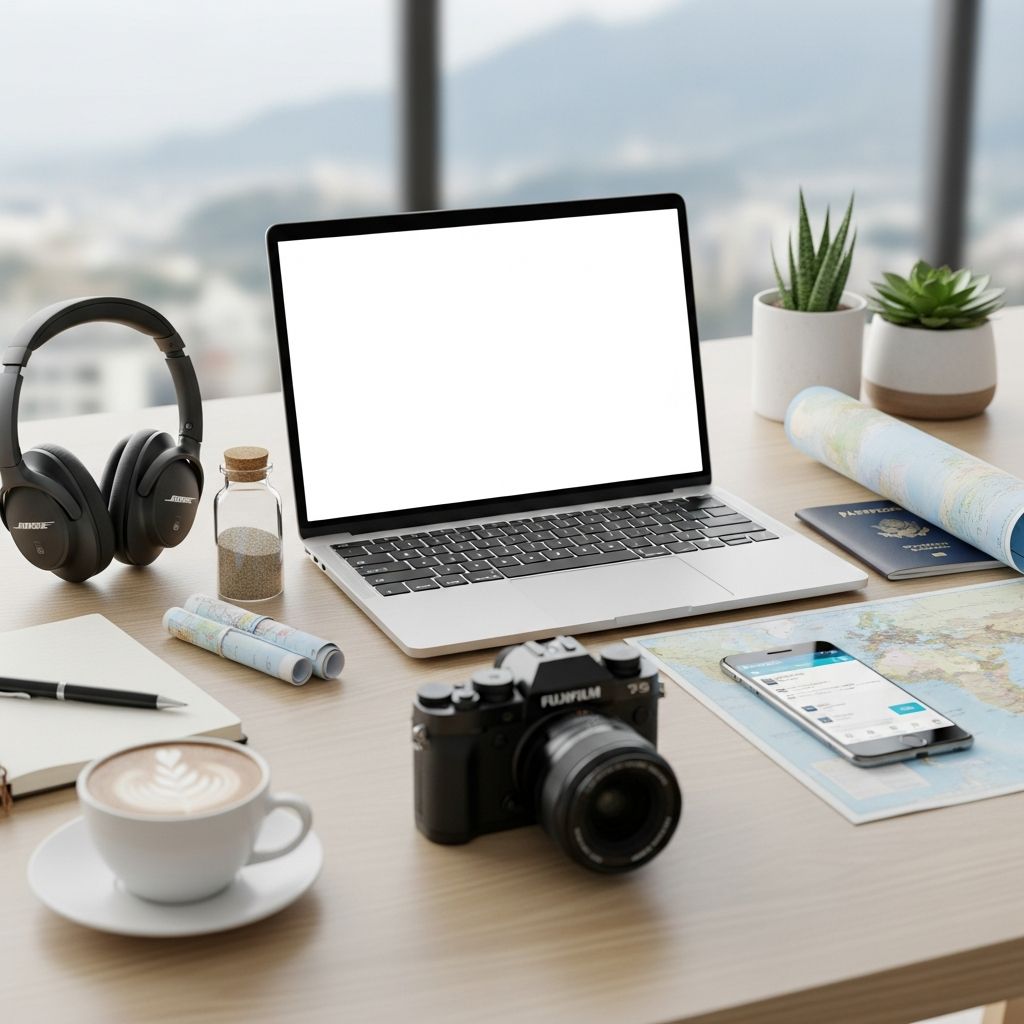
Combining freelancing with travel offers unparalleled flexibility, allowing professionals to earn income from diverse locations while immersing themselves in new cultures. This lifestyle demands strategic planning, skill development, and resilience to balance work demands with exploration.
Why Pursue a Location-Independent Freelance Path?
The appeal of freelancing while traveling stems from autonomy over schedules and destinations. Professionals can select projects aligning with personal interests, avoiding rigid office routines. This model supports continuous learning through real-world experiences, enhancing creativity and problem-solving abilities.
- Financial Control: Set rates based on expertise and market demand, potentially exceeding traditional salaries.
- Global Networking: Connect with international clients, expanding opportunities beyond local markets.
- Personal Fulfillment: Integrate passions for travel and work, reducing burnout from monotonous routines.
However, success requires discipline. Many begin with side gigs during vacations, testing viability before full commitment. Data from the World Bank indicates remote work trends surged post-2020, with over 20% of global workforce engaging in flexible arrangements as of 2023.
Essential Skills for Remote Freelancers on the Move
Core competencies include digital proficiency, time management, and adaptability. Proficiency in tools like cloud-based collaboration platforms ensures seamless project delivery across time zones.
| Skill Category | Key Tools/Abilities | Why It Matters |
|---|---|---|
| Communication | Video calls, asynchronous updates | Maintains client trust despite distance |
| Project Management | Trello, Asana | Tracks deadlines amid travel disruptions |
| Technical Expertise | SEO, graphic design, coding | Offers high-demand services globally |
| Financial Literacy | Budgeting apps, invoicing software | Handles irregular income streams |
According to the OECD, digital skills gaps persist, but freelancers investing in upskilling via platforms like Coursera report 30% higher earnings. Start by assessing strengths—writing, design, or programming—and build from there.
Selecting High-Demand Freelance Niches for Travelers
Popular fields include content creation, virtual assistance, web development, and marketing. Travel enthusiasts excel in niche areas like destination copywriting or social media management for tourism brands.
- Content Writing: Craft blogs, guides, and newsletters for travel sites.
- Graphic Design: Create visuals for hospitality promotions.
- Programming: Develop apps for travel booking platforms.
- Consulting: Offer SEO advice to global e-commerce businesses.
Freelance platforms report travel-related gigs growing 15% annually, per Upwork’s 2024 insights from official reports. Choose niches with low overhead, like digital services, to minimize luggage.
Building a Professional Portfolio from Scratch
A compelling portfolio showcases expertise without prior paid work. Begin with personal projects: document local explorations as sample articles or redesign a hypothetical travel site.
- Create a dedicated website using free builders like WordPress.
- Publish speculative pieces on Medium or personal blogs.
- Gather testimonials from volunteer gigs or internships.
- Update regularly with diverse, high-quality samples.
Editors value storytelling and voice over clip quantity. Nomadic Matt’s journey from blog to major publications exemplifies this approach.
Finding Clients in a Global Marketplace
Leverage platforms like Upwork, Fiverr, and LinkedIn for initial leads. Tailor profiles with travel-themed bios to attract aligned clients.
- Cold Pitching: Research publications; send personalized proposals highlighting unique angles.
- Networking: Join communities like Digital Nomad Facebook groups or TravMedia.
- Referrals: Deliver exceptional service to encourage repeat business.
Start with low-competition jobs, such as local guides, then scale to international outlets. Persistence pays: average freelancers secure first paid gig within 3-6 months.
Managing Finances Across Borders
Income variability necessitates buffers. Aim for 3-6 months’ expenses in savings. Use tools like Wise for low-fee transfers and QuickBooks for tracking.
| Expense Type | Monthly Estimate (USD) | Tips to Reduce |
|---|---|---|
| Housing (Airbnb) | 800-1500 | Book long-term discounts |
| Flights/Transport | 300-600 | Use points, budget airlines |
| Insurance/Health | 100-200 | Nomad-specific policies |
| Work Gear | 50-100 | Cloud backups, portable tech |
The IMF notes currency fluctuations impact nomads; hedge by diversifying income currencies. Tax implications vary—consult IRS guidelines for U.S. citizens abroad.
Navigating Visas and Legalities for Long-Term Stays
Research digital nomad visas in countries like Portugal, Estonia, and Thailand, offering 1-2 year stays for remote workers. Requirements include proof of income (often $3,000+/month) and health insurance.
- Short-term: Schengen 90/180 rule for Europe.
- Long-term: Apply via embassies; prepare bank statements.
- Work Permits: Avoid illegal work; stick to online clients.
Official EU portals detail eligibility, updated 2025. Always overstay fines deter violations.
Overcoming Common Obstacles in the Nomad Life
Loneliness, jet lag, and WiFi unreliability challenge sustainability. Counter with co-working spaces (via Nomad List) and routine structures.
- Isolation: Schedule social activities; join meetups.
- Productivity Dips: Use Pomodoro techniques.
- Health: Prioritize sleep, nutrition amid time shifts.
Studies from WHO emphasize mental health monitoring for remote workers.
Daily Routines for Balanced Productivity
Structure days around peak energy: mornings for deep work, afternoons for admin/travel planning. Tools like RescueTime track habits.
Example Schedule:
- 6-9 AM: Core tasks
- 9-11 AM: Client calls (time zone adjusted)
- 11 AM-2 PM: Exploration/breaks
- 2-5 PM: Editing/networking
- Evenings: Unwind, local immersion
Scaling Your Freelance Business While Wandering
Transition from solo gigs to agency models or courses. Automate with templates; outsource routine tasks via platforms.
Advanced strategies include retainer contracts for steady revenue and passive income via e-books or stock photos.
Essential Gear for the Mobile Office
Pack light: noise-cancelling headphones, lightweight laptop (under 3lbs), portable charger, and eSIM for connectivity.
- Laptop: MacBook Air or equivalent
- Accessories: External battery, travel mouse
- Backup: Cloud storage (Google Drive)
FAQs
What is the best first step for aspiring travel freelancers?
Assess skills and create a basic portfolio with personal projects.
How much can I earn as a beginner?
Entry-level: $20-50/hour; experienced: $100+ depending on niche.
Do I need to quit my job immediately?
No—start part-time to build momentum.
What if I lack reliable internet abroad?
Scout co-working spaces; use mobile hotspots as backup.
How do taxes work for nomads?
Residency rules apply; use tools like Nomad Tax for guidance.
References
- World Bank Remote Work Report — World Bank. 2023-10-15. https://www.worldbank.org/en/topic/digitaldevelopment/brief/remote-work-trends
- Digital Skills Outlook — OECD. 2024-05-20. https://www.oecd.org/education/digital-skills-outlook-2024.htm
- Upwork Freelance Forward Report — Upwork. 2024-09-01. https://www.upwork.com/research/freelance-forward-2024
- Nomadic Matt Blog Origins — Nomadic Matt. 2023-11-10. https://www.nomadicmatt.com/travel-blogs/about/
- Freelancer Income Survey — IMF Working Paper. 2024-02-28. https://www.imf.org/en/Publications/WP/Issues/2024/02/29/Global-Freelance-Trends
- Currency Impacts on Nomads — IMF. 2025-01-15. https://www.imf.org/en/Topics/Exchange-Rates
- IRS Publication 54 — Internal Revenue Service. 2025-01-01. https://www.irs.gov/publications/p54
- EU Digital Nomad Visa Guidelines — European Commission. 2025-03-10. https://ec.europa.eu/info/business-economy-euro/growth-and-investment/digital-nomad-visas_en
- Mental Health in Remote Work — WHO. 2024-07-22. https://www.who.int/publications/i/item/remote-work-mental-health

- Integrated M.A. in Applied Linguistics, University of Hyderabad
- 5+ years in editorial, instructional, SEO, and research-based writing
Sneha is a relationships and lifestyle writer with a strong foundation in applied linguistics and certified training in relationship coaching. She brings over five years of writing experience to theskillvault, crafting thoughtful, research-driven content that empowers readers to build healthier relationships, boost emotional well-being, and embrace holistic living. Her writing and insights reflect the belief that beauty, happiness, and wellness…