
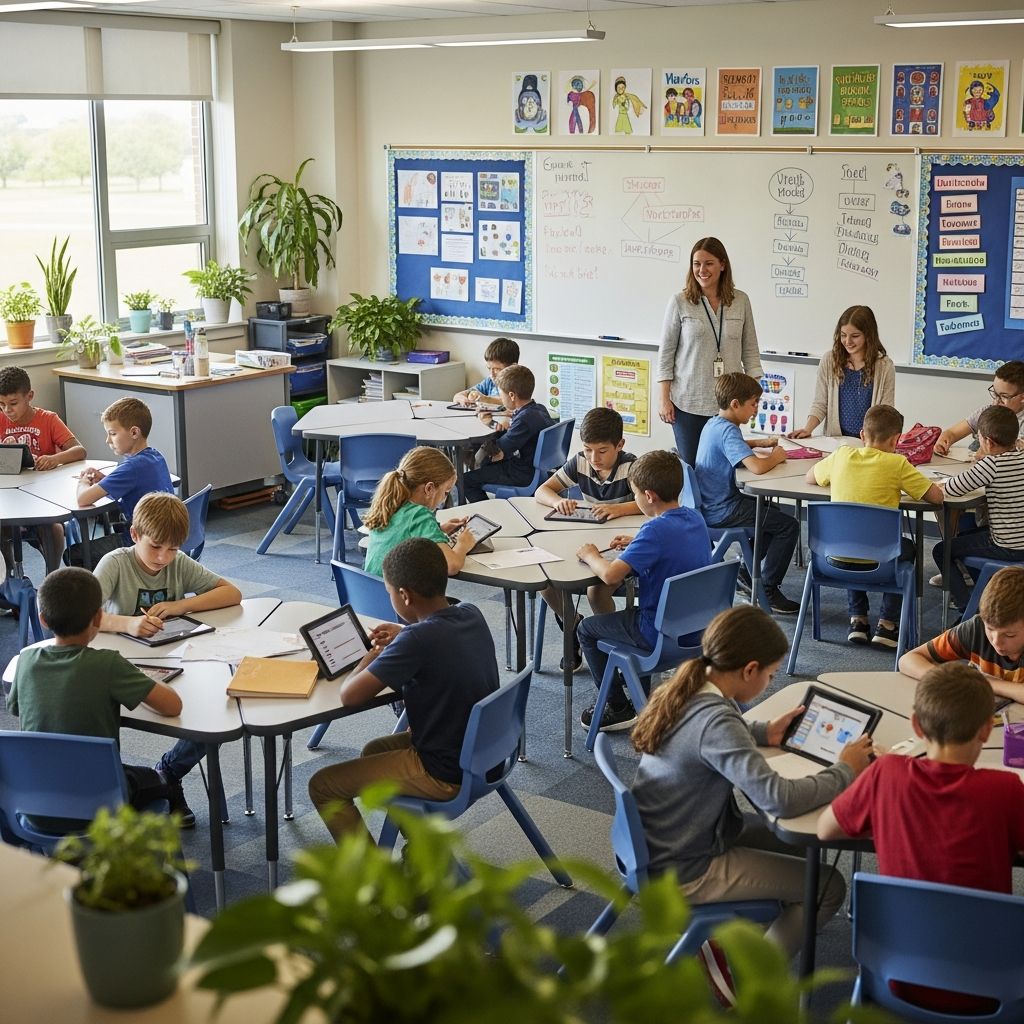
A thriving classroom environment goes beyond mere academics; it nurtures emotional safety, mutual respect, and a shared sense of purpose among students and teachers. Research consistently shows that such settings lead to improved attendance, reduced behavioral issues, and higher achievement levels. By intentionally designing these spaces, educators can transform daily interactions into opportunities for growth and connection.
Foundations of a Supportive Learning Space
The bedrock of any positive classroom lies in establishing clear norms from day one. Teachers who articulate behavioral standards and academic goals create predictability, which reduces anxiety and encourages focus. Consistency in enforcing these norms, paired with tailored support for struggling students, ensures everyone feels capable of success.
Consider integrating daily routines that signal safety and welcome. Greeting each student by name at the door, for instance, personalizes the experience and sets a tone of care. These small acts accumulate, fostering trust that permeates all classroom activities.
Cultivating Strong Teacher-Student Bonds
Authentic relationships form the heartbeat of effective classrooms. When teachers show genuine interest in students’ lives—asking about hobbies or family updates—students respond with greater engagement and resilience. Strategies like the ‘Two-by-Ten’ approach, where educators spend two minutes daily chatting with challenging students for ten days, can dramatically shift dynamics and curb disruptions.
- Greet students warmly each morning to build rapport.
- Learn and use students’ preferred names and pronouns.
- Share personal stories of overcoming challenges to normalize perseverance.
- Schedule one-on-one check-ins to address individual needs.
Extending this to families amplifies impact. Regular, positive communication—via emails, calls, or meetings—positions parents as partners, providing insights into home contexts that inform teaching.
Setting and Upholding Ambitious Standards
High expectations, communicated with belief in students’ potential, propel achievement. Educators must convey that every learner can excel, backing this with scaffolded instruction and resources. Reinforce successes publicly while offering private guidance for growth areas.
| Practice | Action Steps | Expected Outcome |
|---|---|---|
| Clear Standards | Review expectations daily; use visual aids. | Reduced confusion, increased compliance. |
| Positive Reinforcement | Implement reward systems for effort and behavior. | Boosted motivation and self-esteem. |
| Supportive Interventions | Provide differentiated help without lowering bars. | Equitable access to success. |
This table outlines core practices, drawing from evidence-based models that emphasize consistency as key to long-term cultural shifts.
Promoting Peer Connections and Collaboration
Students thrive when they form positive ties with peers. Explicitly teaching social skills—through role-playing empathy, active listening, and conflict resolution—equips them for cooperative learning. Group activities that require interdependence highlight collective strengths, diminishing isolation.
Incorporate fun elements like team-building games or ‘High-Five Fridays’ to celebrate camaraderie. Model respectful discourse yourself, using phrases that validate diverse viewpoints and encourage inclusivity.
Infusing Joy and Engagement into Lessons
A positive atmosphere demands more than structure; it requires vibrancy. Begin classes with energizers—brain teasers, quick games, or mindfulness breaths—to ease transitions and spark curiosity. Passionate delivery of content, coupled with student-centered methods like hands-on projects, ignites intrinsic motivation.
- Start with warm-ups to build excitement.
- Vary instruction: lectures, discussions, and labs.
- Incorporate student interests into curricula.
Meaningful discussions that probe deeper than surface facts light ‘fires’ of inquiry, as educators have long advocated.
Recognizing Achievements and Building Resilience
Celebration sustains momentum. Publicly acknowledge efforts, not just outcomes, through shout-outs, certificates, or displays. This reinforces a growth mindset, where persistence trumps innate talent.
Address setbacks restoratively: focus on understanding and repair over punishment. Programs emphasizing character traits like kindness foster accountability and empathy, creating self-sustaining positivity.
Leveraging Inclusivity for Collective Success
Diversity enriches classrooms when embraced. Culturally responsive teaching integrates varied perspectives, while events celebrating heritages build belonging. Ensure physical spaces accommodate all, from seating arrangements to resource access.
Empower students via leadership roles, peer mentoring, and feedback surveys. This ownership deepens investment in the shared culture.
Daily Habits for Lasting Impact
Sustained positivity demands routines. Weekly check-ins gauge emotional climates; adjust accordingly. Use color psychology—calming blues for focus areas—or digital tools like class social feeds for virtual high-fives, adapting to modern needs.
Open communication remains vital: listen actively, respond to non-verbal cues, and maintain civility. Vulnerability from teachers—admitting mistakes—humanizes authority, strengthening bonds.
Frequently Asked Questions (FAQs)
What are the first steps to improve classroom culture?
Begin by defining your vision and greeting students personally. Establish clear expectations and build one relationship at a time through consistent, positive interactions.
How can teachers handle disruptive behaviors positively?
Use strategies like brief daily chats to understand root causes. Reinforce desired behaviors consistently and apply restorative practices for accountability without alienation.
Why is family involvement crucial?
Families offer unique insights into students’ lives, enabling holistic support. Regular, proactive communication prevents issues and aligns home-school efforts.
Can positive culture improve academic outcomes?
Yes, connected students show better attendance, engagement, and performance, as supportive climates enhance motivation and resilience.
How do you measure classroom culture success?
Track indicators like attendance rates, student feedback surveys, behavioral incidents, and academic progress. Observe peer interactions and voluntary participation.
Overcoming Common Challenges
Large classes or diverse needs test resolve, yet scalable tactics work: pair students for mentoring, rotate leadership, and use tech for personalized feedback. Professional development on evidence-based practices equips teachers for endurance.
In essence, thriving environments emerge from deliberate, relational efforts. By prioritizing connections, expectations, and joy, educators craft spaces where every student flourishes.
References
- 6 Ways To Build A Positive Classroom Culture — The Highly Effective Teacher. 2023-05-15. https://thehighlyeffectiveteacher.com/6-ways-to-build-a-positive-classroom-culture/
- Create a Positive Climate — IRIS Center, Vanderbilt University. 2024-01-10. https://iris.peabody.vanderbilt.edu/module/beh1/cresource/q2/p05/
- Classroom Climate and Culture — University of Nebraska-Lincoln Center for Transformative Teaching. 2023-11-20. https://teaching.unl.edu/resources/classroom-climate/classroom-climate-and-culture/
- Building a Positive Classroom Culture — Virginia Institute for Education. 2024-12-01. https://vaieducation.org/wp-content/uploads/2024/12/Spotlight_Bldg-Positive-Class-Culture_Admin_Final_CAN.pdf
- Classroom Management Series: Creating a Positive Learning Environment — University of Tennessee Knoxville College of Education, Health and Human Sciences. 2024-07-30. https://cehhs.utk.edu/klass/2024/07/30/classroom-management-series-creating-a-positive-learning-environment/

- Integrated M.A. in Applied Linguistics, University of Hyderabad
- 5+ years in editorial, instructional, SEO, and research-based writing
Sneha is a relationships and lifestyle writer with a strong foundation in applied linguistics and certified training in relationship coaching. She brings over five years of writing experience to theskillvault, crafting thoughtful, research-driven content that empowers readers to build healthier relationships, boost emotional well-being, and embrace holistic living. Her writing and insights reflect the belief that beauty, happiness, and wellness…