
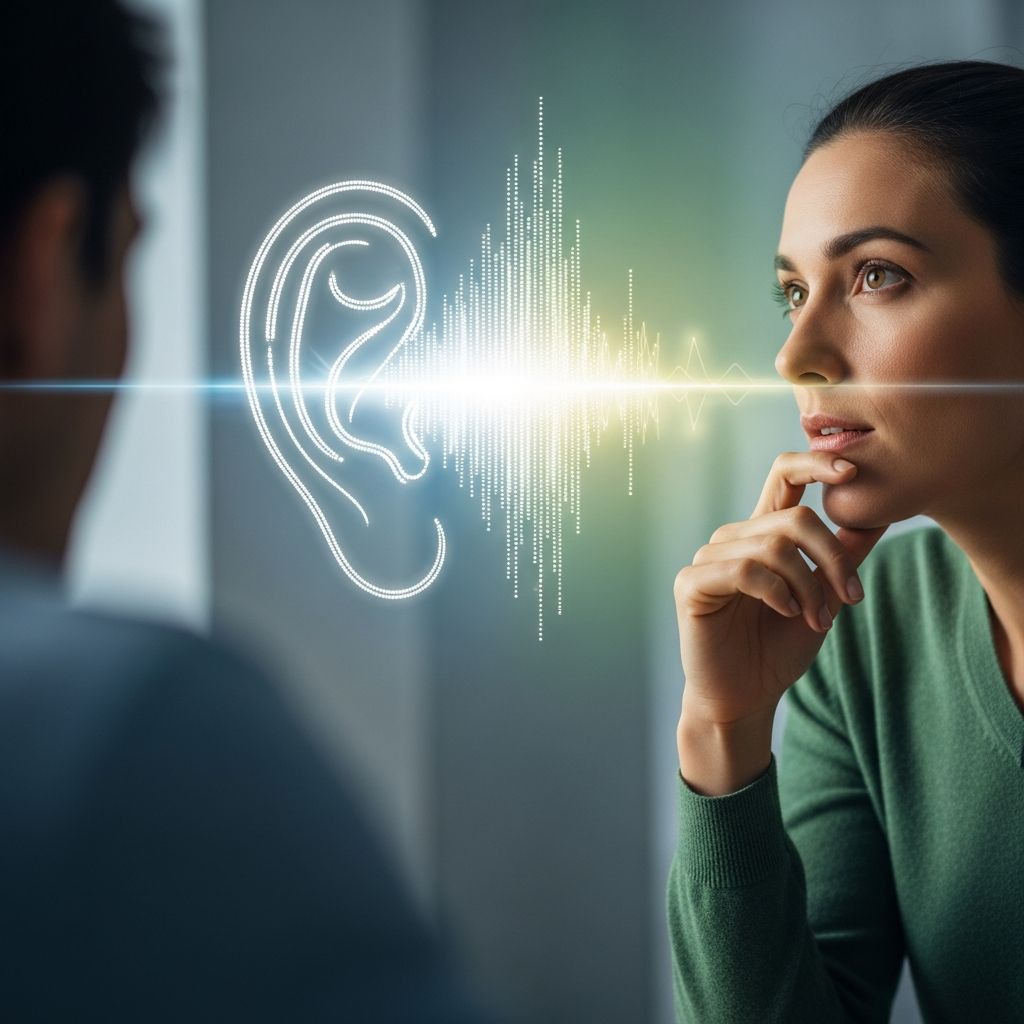
Effective listening forms the cornerstone of meaningful interactions, enabling deeper connections and informed decision-making in every aspect of life. By honing this vital ability, individuals can transform casual exchanges into opportunities for growth and collaboration.
The Foundation of Strong Listening Abilities
Listening extends beyond mere hearing; it involves processing information, interpreting nuances, and responding thoughtfully. Research highlights that proficient listeners grasp not only words but also underlying emotions and intentions, leading to enhanced mutual understanding.
In professional environments, leaders who excel in this area coach teams more effectively by fully engaging with colleagues’ perspectives. This engagement builds trust and encourages open dialogue, essential for team success.
Core Components of Effective Listening
Skilled listening encompasses several interconnected elements that work together to create comprehensive understanding.
- Attentiveness: Maintaining focus on the speaker without distractions ensures key details are captured accurately.
- Non-verbal Awareness: Observing body language, facial expressions, and tone provides context that words alone may not convey.
- Empathy: Recognizing the speaker’s emotions fosters a supportive atmosphere, making them feel valued.
- Clarity Seeking: Asking targeted questions resolves ambiguities and deepens insight.
Types of Listening for Diverse Situations
Different scenarios demand specific listening approaches to maximize effectiveness. Understanding these variations allows for adaptable responses.
| Type | Description | Best Used For |
|---|---|---|
| Comprehensive | Focusing on full understanding and retention of content | Learning sessions, meetings |
| Active | Engaging with feedback and reflection | Coaching, counseling |
| Empathetic | Prioritizing emotional content | Personal conversations |
| Critical | Analyzing for logic and validity | Debates, negotiations |
Comprehensive listening, for instance, proves invaluable in workplaces where grasping detailed instructions prevents errors. Meanwhile, empathetic listening strengthens personal bonds by validating feelings.
Practical Techniques to Enhance Listening
Implementing targeted strategies can significantly elevate listening proficiency. Start with foundational practices and progress to advanced methods.
Building Attentional Focus
Eliminate distractions by choosing quiet environments and silencing devices. Maintain eye contact and nod periodically to signal engagement, which also reinforces your concentration. Allow pauses after the speaker finishes, providing space for reflection before responding.
Reflective and Summarizing Responses
Paraphrase what you’ve heard to confirm accuracy: “So, you’re saying that the main challenge is resource allocation?” This technique not only verifies understanding but also shows respect for the speaker’s input. Summarizing at conversation’s end consolidates key points for long-term retention.
Judgment Suspension
Approach discussions with an open mindset, setting aside preconceptions. This openness invites diverse viewpoints and enriches perspectives, particularly in diverse teams.
Overcoming Common Listening Obstacles
Several barriers hinder effective listening, but awareness and countermeasures can mitigate them effectively.
- Internal Distractions: Wandering thoughts—counter by mindfulness exercises to stay present.
- Prejudices: Biases toward the speaker—practice neutrality through self-reflection.
- Environmental Noise: External interruptions—select optimal settings or use noise-cancelling tools.
- Overloading: Information excess—prioritize main ideas over minutiae initially.
Regular self-assessment reveals personal pitfalls, allowing for targeted improvements.
Daily Exercises for Listening Improvement
Consistent practice solidifies skills through immersive activities tailored for progressive development.
- Blind Listening Drills: Tune into audio without visuals, relying solely on sound to interpret meaning. This sharpens auditory processing.
- Dictation Practice: Transcribe short segments multiple times, refining word recognition with each pass.
- Gist-Focused Sessions: Engage with podcasts or speeches aiming for overall message rather than every detail, building tolerance for unknowns.
- Extended Immersion: Consume full-length content like news or dramas without pausing, enhancing endurance and context inference.
- Mindful Sound Meditation: Concentrate on phonetic elements without semantic pressure, improving phonetic sensitivity.
Track progress by journaling insights gained from each session, noting improvements in comprehension speed and accuracy.
Advanced Strategies for Professional Mastery
In high-stakes settings, elevate listening to strategic levels for leadership impact.
Separate core messages from supporting details and action items during briefings, using notes to organize: Main Point | Details | Next Steps. Follow up with clarifying queries to ensure alignment.
For language learners or multicultural teams, target accents, idioms, and linking sounds through diverse media exposure. Podcasts stand out as research-backed tools for natural speech patterns.
Measuring and Sustaining Progress
Evaluate growth via self-tests, feedback from peers, or comprehension quizzes post-listening. Set measurable goals, such as understanding 80% of a 20-minute podcast without aids.
Sustain gains by integrating listening into routines: daily podcasts during commutes, reflective reviews of meetings, or role-playing scenarios with partners.
FAQs on Listening Skills
What distinguishes active from passive listening?
Active listening involves intentional engagement, feedback, and retention, unlike passive hearing which is superficial.
How long does it take to improve listening abilities?
Noticeable gains emerge within weeks of daily 15-30 minute practices, with mastery requiring months of consistency.
Can listening skills benefit career advancement?
Yes, leaders using these techniques foster better teams, resolve conflicts efficiently, and drive innovation through inclusive dialogue.
What role does body language play in listening?
It conveys attentiveness and empathy, encouraging speakers to share more openly.
Are there apps or tools for listening practice?
Podcasts, language apps with audio, and dictation software provide structured exercises.
Long-Term Impact of Refined Listening
Mastery yields profound benefits: fortified relationships, career elevation, and personal fulfillment. In negotiations, it uncovers hidden opportunities; in friendships, it deepens empathy.
Organizations prioritizing these skills report higher employee satisfaction and productivity, underscoring their value. Commit to this journey for transformative communication prowess.
References
- The Ultimate Guide to Understanding FAST English — Keith Speaking Academy. 2023. https://keithspeakingacademy.com/ultimate-guide-advanced-listening-skills/
- Listening Skills: A Brief Guide — OneStopEnglish. 2022-10-01. https://www.onestopenglish.com/support-for-teaching-listening/listening-skills-a-brief-guide/146218.article
- Active Listening Techniques: Best Practices for Leaders — Center for Creative Leadership. 2023. https://www.ccl.org/articles/leading-effectively-articles/coaching-others-use-active-listening-skills/
- The Ultimate Guide To Improving Your English Listening — Leonardo English. 2024. https://www.leonardoenglish.com/blog/improve-english-listening
- Comprehensive Listening Skills 4 Tips — Communication Coach Alexander Lyon (YouTube). 2024-10-29. https://www.youtube.com/watch?v=-U1OiZY5Cv4
- What Is Active Listening? Definition, Skills, and Examples — Pollack Peacebuilding Systems. 2023. https://pollackpeacebuilding.com/blog/active-listening/
- Active Listening Skills: A Comprehensive Guide — The Knowledge Academy. 2024. https://www.theknowledgeacademy.com/blog/active-listening-skills/

- Integrated M.A. in Applied Linguistics, University of Hyderabad
- 5+ years in editorial, instructional, SEO, and research-based writing
Sneha is a relationships and lifestyle writer with a strong foundation in applied linguistics and certified training in relationship coaching. She brings over five years of writing experience to theskillvault, crafting thoughtful, research-driven content that empowers readers to build healthier relationships, boost emotional well-being, and embrace holistic living. Her writing and insights reflect the belief that beauty, happiness, and wellness…