
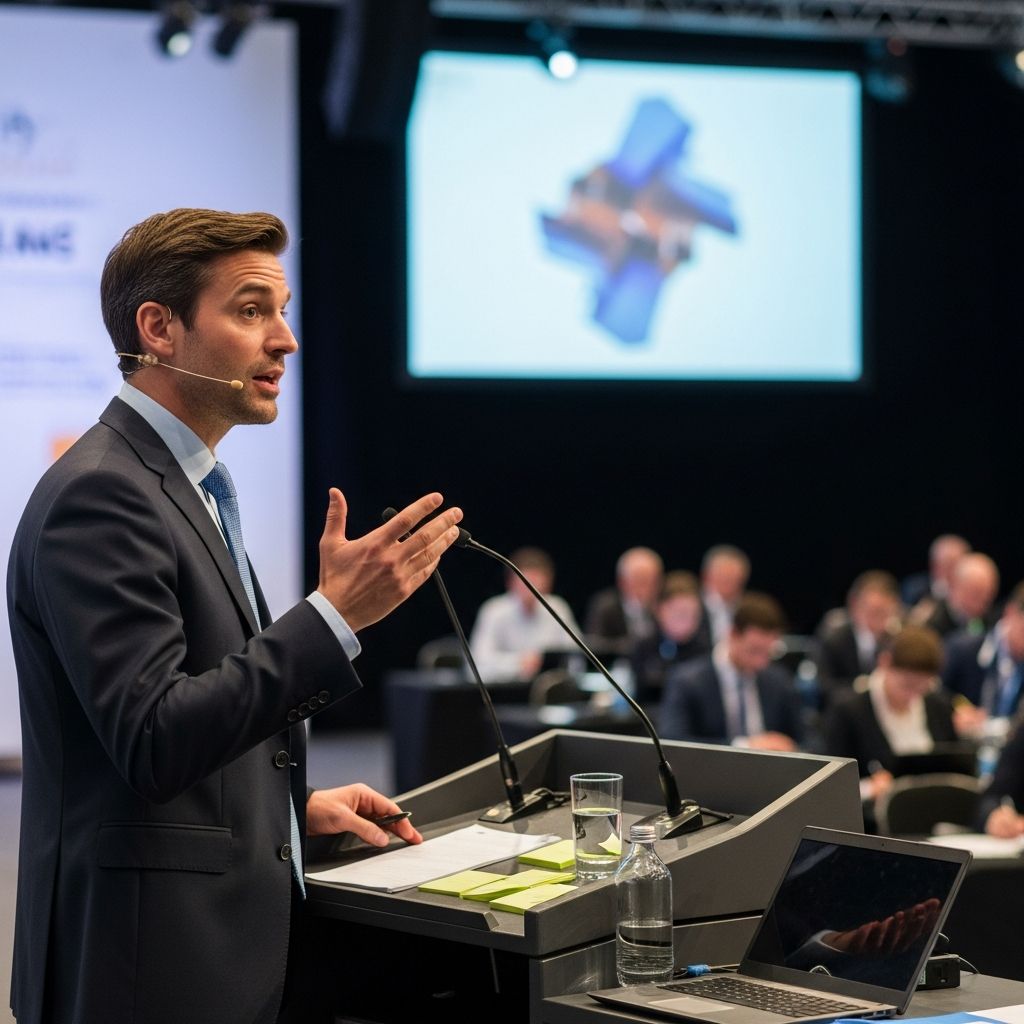
Short speeches demand precision, clarity, and immediate impact. Whether facing a sudden opportunity at work, a wedding toast, or a team meeting, mastering the art of quick preparation ensures you communicate effectively without unnecessary complexity. This guide draws on proven methods to help you build confidence and captivate listeners in minutes.
Understanding the Power of Brevity in Public Speaking
Concise speeches respect the audience’s time while amplifying your message. Research from public speaking experts emphasizes that audiences retain information better from structured, brief presentations than lengthy ones. Focus on one core idea supported by vivid examples to leave a lasting impression.
In high-stakes environments like business or academia, the ability to speak succinctly separates effective communicators from others. Short formats—typically 3-10 minutes—force prioritization, enhancing relevance and memorability.
Step 1: Clarify Your Core Objective
Begin every preparation by pinpointing the exact goal of your speech. Ask: What action do I want the audience to take? Or what single insight should they carry away? This focus prevents rambling and aligns every element with purpose.
- Inform: Share key facts, like updating a team on project status.
- Persuade: Convince stakeholders to adopt a new strategy.
- Inspire: Motivate during a challenging period.
Defining this early saves time and sharpens content. For instance, if persuading, build around benefits rather than exhaustive details.
Step 2: Profile Your Listeners
Tailor content to the audience’s needs, knowledge level, and interests. Consider their backgrounds, challenges, and expectations. A room of executives prioritizes data-driven points, while peers appreciate relatable stories.
Gather intel quickly: Review event agendas, chat with organizers, or observe the crowd. This empathy builds connection and relevance, making your speech resonate deeply.
Step 3: Craft a Memorable Central Message
Distill your speech into one unforgettable takeaway, often called the “big idea.” Frame it as a clear, benefit-oriented statement: “Adopting this tool cuts project time by 30%—here’s how.” Support it with 1-2 key points, each backed by evidence.
Visualize a “message house”: The roof is your core message, walls are supporting arguments, and foundation is foundational facts. This structure ensures cohesion.
Step 4: Build a Robust Framework
Organize ideas logically using time-tested patterns. A solid outline acts as your roadmap, keeping delivery smooth and audience engaged.
| Structure Type | Description | Best For |
|---|---|---|
| Problem-Solution | Highlight issue, then resolution with proof. | Persuasive pitches |
| Past-Present-Future | Review history, current state, forward vision. | Strategic updates |
| Situation-Complication-Resolution | Set scene, introduce tension, provide answer. | Storytelling |
Aim for 10-15 bullet points in your outline: opening hook, body points with anecdotes/data, and strong close. This high-level view prevents overload.
Step 5: Design a Captivating Start and Finish
The opening must seize attention in 30 seconds. Skip bland intros; use a startling stat, question, or personal anecdote. Example: “Did you know 70% of teams miss deadlines due to poor communication?”
End dynamically: Summarize the core message, end with a call to action or memorable quote. Avoid fading out—leave them energized.
Step 6: Enhance with Engagement Tools
Boost impact using stories, humor, and visuals sparingly. A brief anecdote humanizes your points; humor lightens tension if audience-appropriate.
- Stories: Share a quick personal failure-turned-success.
- Humor: Self-deprecating quips build rapport.
- Visuals: One simple slide or prop clarifies complex ideas—never overwhelm.
Let personality shine: Authentic delivery fosters trust over robotic perfection.
Step 7: Master Rehearsal Techniques
Practice transforms preparation into performance. Start by writing key sections fully, then condense to bullets. Rehearse aloud 5-10 times, recording to self-critique pace, filler words, and clarity.
Key tactics:
- Record and review: Identify rushed speech or nervous tics.
- Practice with others: Simulate audience stress for real feedback.
- Morning/evening sessions: Bookend days with runs to embed content.
- Physical prep: Elevate heart rate via exercise to mimic adrenaline.
Focus on vocal variety: Slow pace, elongate vowels for confidence, maintain eye contact. Use hands naturally to emphasize—no fidgeting.
Handling Impromptu Scenarios
Sudden speeches? Pause briefly: Jot start/end notes, outline 3 points (past/present/future), speak from bullets. Buy time with movement or questions while thinking.
For 10-minute rushes: Notes only—no script. Channel conversation style for natural flow.
Delivery Essentials for Confidence
Stand tall, breathe deeply. Adapt to feedback: Scan faces, adjust pace if disengaged. Nonverbals convey 93% of impact—gesture purposefully.
Voice tips: Vary tone/pitch, pause for emphasis. Slow delivery signals poise; rushing betrays nerves.
Frequently Asked Questions (FAQs)
What if I have only 5 minutes to prepare?
Focus on purpose, audience, one key message, and simple structure: Hook, point + story, call to action. Jot bullets and rehearse once aloud.
How do I overcome stage fright?
Rehearse extensively, raise heart rate pre-speech via cardio, breathe deeply, and visualize success. Remember: Nervousness is normal and energizing.
Should I use slides for short speeches?
Only if they add value—one or two max. Prioritize connection over visuals.
How many points should a short speech have?
One core message with 1-3 supports. More dilutes impact.
What’s the best way to end strongly?
Recap key idea, add inspiring call to action or quote. Make it quotable.
Common Pitfalls and Fixes
Avoid reading scripts—use outlines for eye contact. Don’t overload with data; balance with stories. Test timing rigorously to fit limits.
Post-speech: Seek feedback, refine for next time. Consistent practice builds mastery.
By following these steps, anyone can deliver short speeches that inform, persuade, and inspire. Start small, practice deliberately, and watch your influence grow.
References
- 7 steps to prepare a speech in a surprisingly short time — Speaker Coach. 2023. https://speaker.coach/prepare-speech/
- 10 Tips for Improving Your Public Speaking Skills — Harvard Professional Development. 2023-10-12. https://professional.dce.harvard.edu/blog/10-tips-for-improving-your-public-speaking-skills/
- Speech Preparation — San Jose State University Writing Center. 2022. https://www.sjsu.edu/writingcenter/docs/handouts/Speech%20Preparation.pdf
- 11 Public Speaking Techniques from the World’s Greatest Speakers — Read the Profile. 2024. https://www.readtheprofile.com/p/11-public-speaking-techniques-from
- How to Give an Impromptu Speech, with Examples — VirtualSpeech. 2023. https://virtualspeech.com/blog/how-to-give-an-impromptu-speech
- Build a Great Speech — Toastmasters International. 2021-11-01. https://www.toastmasters.org/magazine/magazine-issues/2021/nov/build-a-great-speech

Medha Deb is an editor with a master's degree in Applied Linguistics from the University of Hyderabad. She believes that her qualification has helped her develop a deep understanding of language and its application in various contexts. Medha specializes in the areas of beauty, health, sports, and wellness and is committed to ensuring that the content on the website is…