
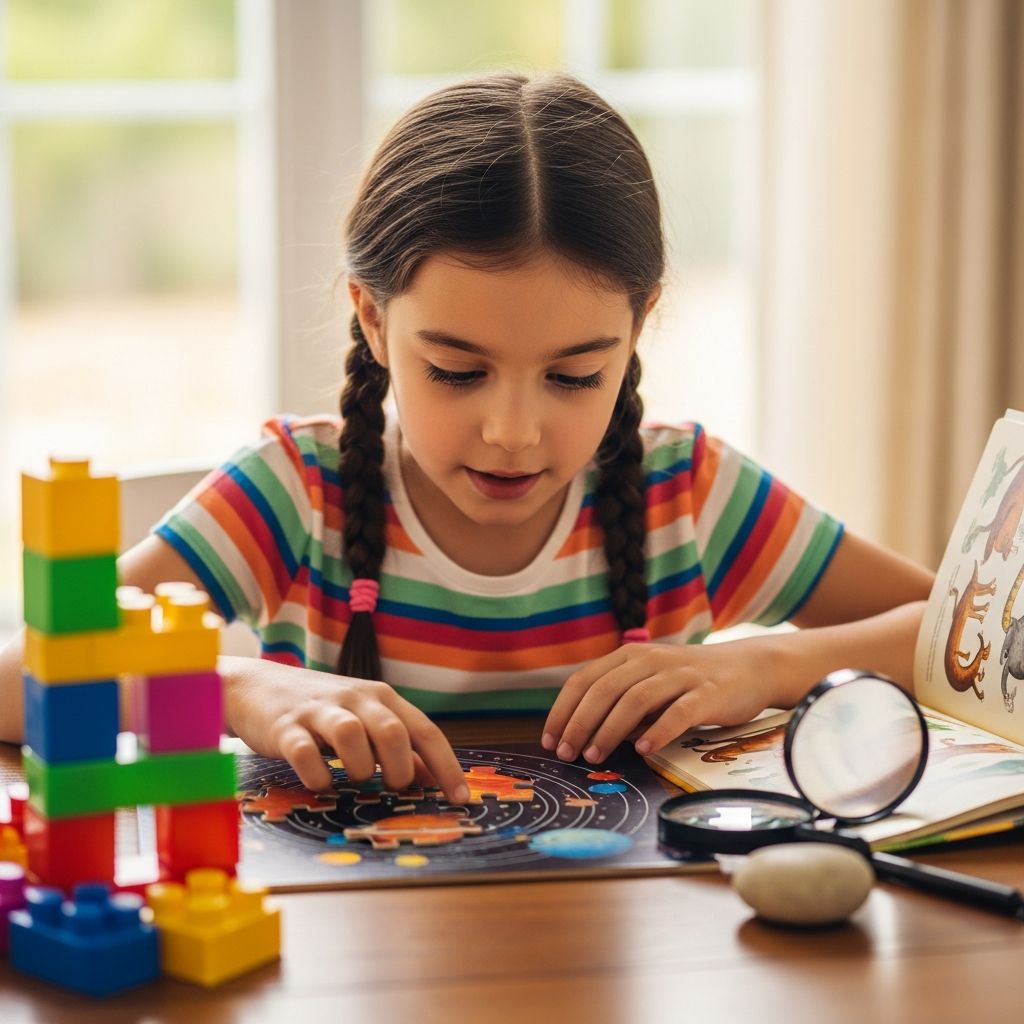
Parents play a pivotal role in shaping their children’s intellectual and emotional development. By adopting intentional habits grounded in research, caregivers can cultivate environments that enhance learning, creativity, and resilience in young minds. This guide explores multifaceted approaches to foster intelligence beyond mere academics, emphasizing holistic growth.
Building Foundational Language Skills Through Shared Stories
Early exposure to books lays the groundwork for advanced vocabulary and comprehension. Engaging infants with rhythmic tales and vivid illustrations stimulates neural pathways associated with language processing. As children progress, reversing roles—having them narrate stories—deepens analytical thinking and fluency.
Regular library outings empower kids to select materials aligned with their curiosities, sustaining motivation. This practice not only expands knowledge but also strengthens parent-child bonds, creating positive associations with learning.
Harnessing the Power of Free Play for Cognitive Development
Unstructured playtime acts as a natural laboratory for experimentation. When children direct their own adventures without screens, they invent scenarios, negotiate roles, and overcome obstacles, honing problem-solving and social competencies.
- Encourage outdoor explorations to spark curiosity about nature.
- Provide open-ended toys like blocks or clay for imaginative construction.
- Limit interventions to allow frustration resolution, building perseverance.
Studies affirm that such play correlates with improved executive function, essential for academic success.
Integrating Physical Movement into Daily Routines
Physical activity oxygenates the brain, enhancing focus and memory retention. Short bursts of movement—jumping jacks or yard sprints—rejuvenate young learners during study sessions.
Enroll children in group sports or dance classes to combine fitness with teamwork. Consistent exercise routines yield long-term benefits, including better mood regulation and scholastic performance.
Stimulating Mental Agility with Strategic Games
Board games and puzzles challenge logical reasoning and foresight. Classics like chess demand anticipation of opponents’ moves, fostering strategic depth.
| Game Type | Key Benefits | Age Suitability |
|---|---|---|
| Strategy Boards (Chess, Checkers) | Planning, tactics | 6+ |
| Building Sets (Legos) | Creativity, spatial skills | 3+ |
| Puzzles & Riddles | Pattern recognition, logic | 4+ |
These activities sharpen minds while providing joyful competition.
Cultivating Emotional Security and Open Dialogue
A stable emotional base enables risk-taking in learning. Validate children’s feelings to build trust, allowing free expression without judgment. Quality time—shared meals or walks—reinforces unconditional support.
Active listening, free from distractions, models empathy. This foundation equips kids to navigate challenges confidently.
Promoting Autonomy Through Thoughtful Choices
Offering age-appropriate decisions—like outfit selection or snack preferences—instills self-efficacy. Guide without dictating, explaining rationales to teach discernment.
- Start small: “Apple or banana?”
- Progress to bigger calls: Homework timing.
- Celebrate efforts, not just outcomes.
This approach nurtures independent thinkers ready for real-world complexities.
Establishing Predictable Routines for Stability
Consistent schedules around sleep, meals, and tasks reduce anxiety, freeing mental energy for growth. Visual charts aid younger ones in anticipating transitions.
Blend rigidity with flexibility for special occasions, teaching adaptability. Such structures particularly benefit children needing extra support.
Leveraging Individual Talents for Confidence Building
Every child shines in unique areas—art, math, or athletics. Spotlight these strengths through tailored activities, countering frustrations elsewhere.
Collaborate with educators for accommodations like advanced projects, ensuring engagement matches potential.
Teaching Emotional Mastery for Lifelong Resilience
Emotional intelligence underpins academic prowess. Help kids name feelings—”frustrated” versus “bad”—and employ techniques like deep breaths.
Model composure during stress; discuss others’ perspectives to grow empathy. Daily practices build self-regulation, vital for relationships and success.
Fostering a Supportive Family Atmosphere
A home filled with positivity—laughter, praise, routines—amplifies learning. Family rituals like game nights reinforce unity.
Prioritize connection over perfection, creating safe spaces for trial and error.
Common Challenges and Tailored Solutions
Parenting intelligent children involves hurdles like boredom or intensity. Address by:
- Providing enrichment: Advanced reading or clubs.
- Teaching organization: Timers for tasks.
- Seeking professional input for gifted traits.
Patience and adaptation yield thriving outcomes.
FAQs
How much daily reading is ideal for young children?
Aim for 20-30 minutes, adjusting for attention spans. Consistency trumps duration.
Does screen-free play really boost intelligence?
Yes, it promotes creativity and problem-solving over passive consumption.
What if my child resists exercise?
Make it playful—dance parties or bike rides—to build positive habits.
How do I encourage emotional expression without spoiling?
Set boundaries while validating feelings; use “I feel” statements as models.
Are routines only for young kids?
No, they benefit all ages by providing security and focus.
References
- How to Raise Smart Kids: 10 Secrets — Connections Academy. 2023. https://www.connectionsacademy.com/support/resources/article/how-to-raise-smart-kids-10-secrets/
- 8 Smart Parenting Tips for Raising Happy and Confident Kids — The Pillars CLC. 2022-01-13. https://thepillarsclc.com/2022/01/13/8-smart-parenting-tips-for-raising-happy-and-confident-kids/
- 7 Strategies Parents Can Use To Help Raise Complex Kids — Utah State University Extension. 2023. https://extension.usu.edu/hru/blog/7-strategies-parents-can-use-to-help-raise-complex-kids
- Parenting Smarter, Not Harder: 8 Tips for Effective Parenting — Cosmo Together. 2023. https://cosmotogether.com/blogs/news/parenting-smarter-not-harder-8-tips-for-effective-parenting
- Parenting Gifted Children: Challenges & Tips — Davidson Institute. 2023. https://www.davidsongifted.org/gifted-blog/parenting-gifted-children-challenges-and-tips/

- Integrated M.A. in Applied Linguistics, University of Hyderabad
- 5+ years in editorial, instructional, SEO, and research-based writing
Sneha is a relationships and lifestyle writer with a strong foundation in applied linguistics and certified training in relationship coaching. She brings over five years of writing experience to theskillvault, crafting thoughtful, research-driven content that empowers readers to build healthier relationships, boost emotional well-being, and embrace holistic living. Her writing and insights reflect the belief that beauty, happiness, and wellness…