
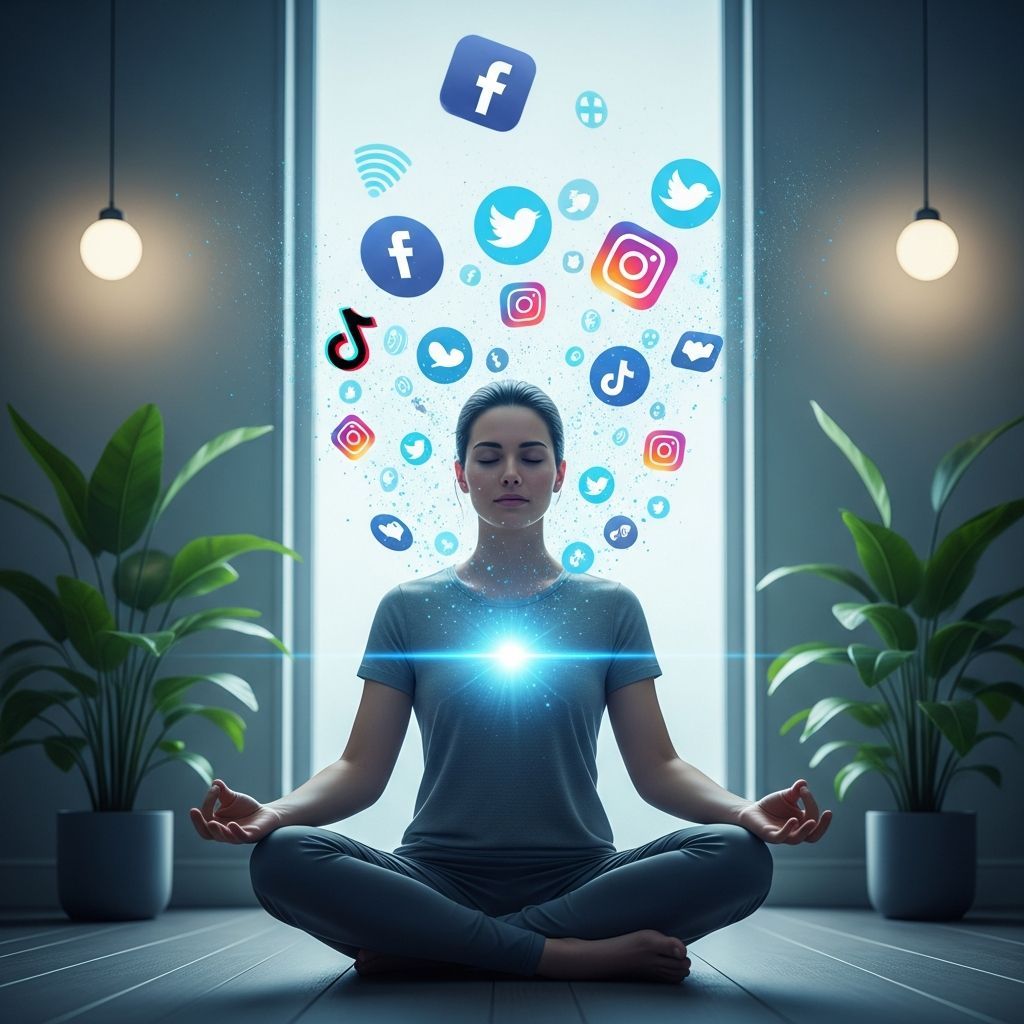
In today’s hyperconnected world, social media has become deeply woven into the fabric of daily life. Platforms designed to connect us often leave us feeling anxious, isolated, and overwhelmed. The constant stream of notifications, curated highlight reels, and the pressure to maintain an online presence creates a unique form of modern stress that affects our mental health, sleep quality, and overall wellbeing. Understanding how to navigate these digital spaces with intention rather than compulsion is essential for protecting your psychological resilience.
The relationship between social media consumption and mental health has become increasingly clear through research. Studies show that reducing social media use to just 30 minutes daily can significantly decrease anxiety, depression, loneliness, sleep disturbances, and fear of missing out (FOMO). Yet many people struggle to implement meaningful changes without concrete strategies. This article explores practical, evidence-based approaches that can help you reclaim control over your digital life and reduce the stress that social media generates.
Understanding the Social Media Stress Cycle
Before implementing solutions, it’s important to recognize how social media creates stress in the first place. The design of most platforms exploits psychological vulnerabilities through infinite scroll features, algorithmic content delivery, and engagement metrics that can trigger comparison and inadequacy. When you passively consume content—simply viewing images and reading posts without engaging—research indicates this passive consumption is more likely to increase feelings of loneliness and dissatisfaction compared to active engagement.
Social media stress manifests differently for different people. Some experience anxiety from the pressure to present a perfect image online, while others struggle with the emotional toll of comparing their lives to others’ curated content. The constant dopamine hits from likes and comments can create compulsive checking behaviors, interrupting work, relationships, and rest. Meanwhile, exposure to negative news, conflicts, and triggering content can amplify existing stress and anxiety.
Recognizing these patterns in your own behavior is the first step toward change. When you understand what specifically triggers stress during your social media use, you can implement targeted interventions that address your particular vulnerabilities.
Establishing Intentional Boundaries Around Digital Consumption
One of the most effective approaches to reducing social media stress involves creating clear boundaries around when, where, and how you engage with these platforms. Rather than allowing social media to interrupt your life randomly, scheduled usage creates structure and control.
Time-Based Boundaries: Set specific times during your day dedicated to social media use. This might be 15 minutes after breakfast, 20 minutes during lunch, and another 15 minutes in the early evening—totaling about one hour across your day. Use a timer on your phone to enforce these limits, creating a clear endpoint rather than mindless scrolling. The University of Pennsylvania study that found 30 minutes of daily use optimal suggests that even if you currently spend much more time on these platforms, any reduction represents progress.
Location-Based Boundaries: Designate certain areas as social media-free zones. This typically includes bedrooms, dining areas, and bathrooms. By separating your physical spaces from digital engagement, you create mental transitions that help your brain shift between work, rest, and leisure states. Establishing that your bedroom is a sanctuary from screens helps protect sleep quality, which itself reduces stress and anxiety.
Device-Based Boundaries: Leave your smartphone in another room during focused work periods, meals, or quality time with loved ones. This physical separation removes the constant temptation to check notifications and helps rebuild your capacity for sustained attention. Consider using your computer’s built-in app limits and notification settings to create friction between you and mindless social media scrolling.
The key to successful boundary-setting is consistency. These boundaries work not as occasional restrictions but as structural changes to your relationship with technology. Over time, respecting these boundaries becomes easier as your brain adjusts to the new rhythm and you begin experiencing the mental benefits of reduced digital engagement.
Curating Your Information Diet: Becoming Discerning About Content Sources
Your social media feed is fundamentally a reflection of what you’ve followed, engaged with, and what algorithms have learned you’ll respond to. This makes your feed both a responsibility and a powerful tool for stress reduction.
Strategic Unfollowing and Muting: Conduct an honest audit of your social media connections. Identify accounts that consistently trigger negative emotions, anxiety, or feelings of inadequacy. These might include accounts promoting unrealistic lifestyle standards, people whose lives trigger comparison stress, or sources of news and content that fuel anxiety rather than inform. Unfollow or mute these accounts without guilt. Your mental health is more important than maintaining a connection out of social obligation.
Muting is particularly powerful because it’s less permanent than unfollowing. You can mute someone’s content for a period without the social awkwardness of unfollowing, creating a trial period to see if your feed feels less stressful without their posts.
Following Sources of Value: Replace the accounts you’ve removed with content that genuinely adds value to your life. This might include educational accounts in your areas of interest, creators who inspire you, communities aligned with your values, or sources that make you laugh and feel good. Prioritize accounts that create feelings of genuine connection rather than comparison.
News Consumption Boundaries: If social media is your primary news source, consider the impact on your stress levels. Research shows that excessive media consumption, particularly of negative or crisis-oriented news, significantly increases anxiety. Set specific times for news consumption from verified, credible sources rather than allowing news stories to interrupt your day through notifications. When you encounter stressful headlines, the physical act of writing them down on paper actually slows your processing and can reduce the automatic stress response.
Shifting from Passive Consumption to Active Engagement
The research distinction between passive and active social media use has important implications for stress reduction. Passive use—scrolling through others’ content without interaction—correlates with increased negative feelings. Active engagement, by contrast, can create genuine connection and reduce stress.
Meaningful Interaction Over Mindless Scrolling: When you do access social media, approach it with intention. Rather than allowing the algorithm to control your experience through automatic scrolling, actively choose which content to engage with. Leave thoughtful comments on posts from people you care about. Send messages to friends or family members you’ve been meaning to connect with. Share content that reflects your genuine interests and values.
This shift transforms social media from a passive consumption activity that drains your mental energy into an active connection tool that can genuinely strengthen relationships. The social support derived from meaningful online interactions has been shown to improve psychological adjustment and buffer against stress.
Creating Rather Than Just Consuming: If you enjoy social media, consider shifting toward creating content that feels authentic to you rather than simply consuming others’ content. Whether this means sharing photos from activities you enjoy, writing thoughts on topics you care about, or participating in communities around your interests, creating content can feel more fulfilling than passive consumption and more aligned with your genuine self rather than an artificial online persona.
Developing Offline Alternatives and Real-World Connection
Perhaps the most powerful stress-reduction strategy involves consciously investing time in offline activities and in-person relationships. The isolation that can result from excessive social media use is particularly harmful to mental health.
Prioritizing Real-World Relationships: Make a deliberate effort to increase face-to-face time with family and friends. In-person interactions activate different neural pathways than digital communication and provide genuine social connection that cannot be replicated online. These real-world interactions are often more fulfilling and meaningful, reducing the feelings of isolation that can drive compulsive social media checking.
Engaging in Fulfilling Activities: Identify activities that bring you genuine satisfaction and that involve real-world engagement. Hiking, painting, pickleball, reading, walking your dog, cooking, sports, or any hobby that captures your attention creates natural distance from social media. The more engaged your mind and body are in offline activities, the less emotional investment you’ll have in metrics like likes, shares, and follower counts.
Physical Exercise as Stress Relief: Regular physical activity is one of the most effective stress-reduction tools available. Exercise relieves anxiety and stress, boosts self-esteem, and improves mood—all protective factors against social media-induced stress. By investing time in exercise, you create a natural reason to be offline and simultaneously address stress at its source through physiological means.
Creating Evening Routines That Protect Sleep Quality
Social media use before bedtime creates particular problems for mental health and stress levels. The blue light from screens suppresses melatonin production, and the mental stimulation of social media activates rather than calms the nervous system, making sleep more difficult.
Screen-Free Bedtime Protocols: Establish a technology curfew at least one hour before sleep. Replace social media scrolling with calming alternatives like reading physical books, meditation, gentle stretching, or listening to soothing music. This transition period allows your brain to shift from the overstimulation of digital content to a state conducive to sleep.
Morning Technology Delays: Similarly, avoid checking social media immediately upon waking. Starting your day without the stress-inducing effects of social media allows you to begin from a calm baseline. Many people find that waiting until after their morning routine is complete—after coffee, breakfast, or exercise—makes their social media use feel less compulsive and more intentional.
Leveraging Mindfulness and Meditation for Digital Stress
Mindfulness practices can complement structural changes to your social media use by helping you develop awareness of your habits and emotional responses.
Mindful Scrolling: When you do use social media, practice conscious awareness of how different content makes you feel. Notice which types of posts trigger anxiety, comparison, or negative self-talk. Notice which content makes you feel genuinely good or informed. This awareness helps you make faster decisions about which accounts to follow and how to modify your behavior in the moment.
Meditation Practice: Short meditation sessions (even five to ten minutes) can significantly reduce anxiety and stress. Guided meditations specifically designed for anxiety or stress are particularly helpful for beginners. Some people find it effective to replace social media time with meditation time—when the urge to check social media arises, they instead take a short meditation break. This builds a new habit while directly addressing stress and anxiety.
Breathing Exercises: In moments when you feel the compulsive urge to check social media or when you notice anxiety arising from social media content, simple breathing exercises can interrupt the stress response. Even one minute of focused breathing can noticeably reduce acute anxiety.
Finding Support and Accountability
Making sustainable changes to social media habits is easier with support. Consider working with a partner or friend who also wants to reduce social media stress. You can hold each other accountable, share strategies that work, and encourage one another when the urge to return to old habits arises.
Joining a community focused on digital wellness or mental health can also provide motivation and practical tips from people navigating similar challenges. Knowing you’re not alone in struggling with social media stress makes change feel more achievable.
Frequently Asked Questions About Social Media Stress
Q: How much time on social media is actually healthy?
A: Research suggests that limiting social media use to approximately 30 minutes per day is associated with significant improvements in mental health metrics including anxiety, depression, loneliness, sleep quality, and FOMO. However, the quality of that time matters—active engagement tends to be less stressful than passive scrolling.
Q: Is it better to gradually reduce social media or quit cold turkey?
A: A gradual approach works better for most people. Start by setting time limits and establishing boundaries rather than attempting complete elimination. This allows your brain to adjust and helps you develop alternative habits. For some, a short-term break (a day or several days without social media) can reset your relationship with these platforms.
Q: Can social media ever be used in a non-stressful way?
A: Yes. When used intentionally with clear boundaries, for active engagement rather than passive consumption, and as a tool for genuine connection rather than comparison, social media can be less stressful. The key is transforming your relationship with it from something that happens to you to something you deliberately control.
Q: What if my job requires social media use?
A: Set clear boundaries between professional and personal use. Use separate accounts if possible, limit personal social media to designated times outside work hours, and apply the same curation principles to work accounts—follow accounts relevant to your profession that don’t trigger stress.
Q: How long does it take to see mental health improvements from reducing social media?
A: Many people report noticing improvements in mood, sleep, and anxiety within one to two weeks of implementing new social media boundaries. Greater benefits typically accumulate over months as new habits solidify and your brain adjusts to reduced dopamine hits from social engagement metrics.
References
- Suffering from social media overload? 7 tips to help you cope — Calm. 2024. https://www.calm.com/blog/social-media-overload
- Social media use for coping with stress and psychological adjustment — National Center for Biotechnology Information. 2023. https://pmc.ncbi.nlm.nih.gov/articles/PMC10075314/
- 6 Tips to Help Take Control of Your Social Media Use and Improve Your Mental Health — American Psychiatric Association. 2024. https://www.psychiatry.org/news-room/apa-blogs/tips-to-take-control-your-social-media-use
- Social Media Addiction – Mental Health – HelpGuide — HelpGuide. 2025. https://www.helpguide.org/mental-health/wellbeing/social-media-and-mental-health
- Social media’s impact on our mental health and tips to use it safely — UC Davis Health. 2024. https://health.ucdavis.edu/blog/cultivating-health/social-medias-impact-our-mental-health-and-tips-to-use-it-safely/2024/05
- Media overload is hurting our mental health. Here are ways to manage it. — American Psychological Association. 2022. https://www.apa.org/monitor/2022/11/strain-media-overload

Medha Deb is an editor with a master's degree in Applied Linguistics from the University of Hyderabad. She believes that her qualification has helped her develop a deep understanding of language and its application in various contexts. Medha specializes in the areas of beauty, health, sports, and wellness and is committed to ensuring that the content on the website is…