
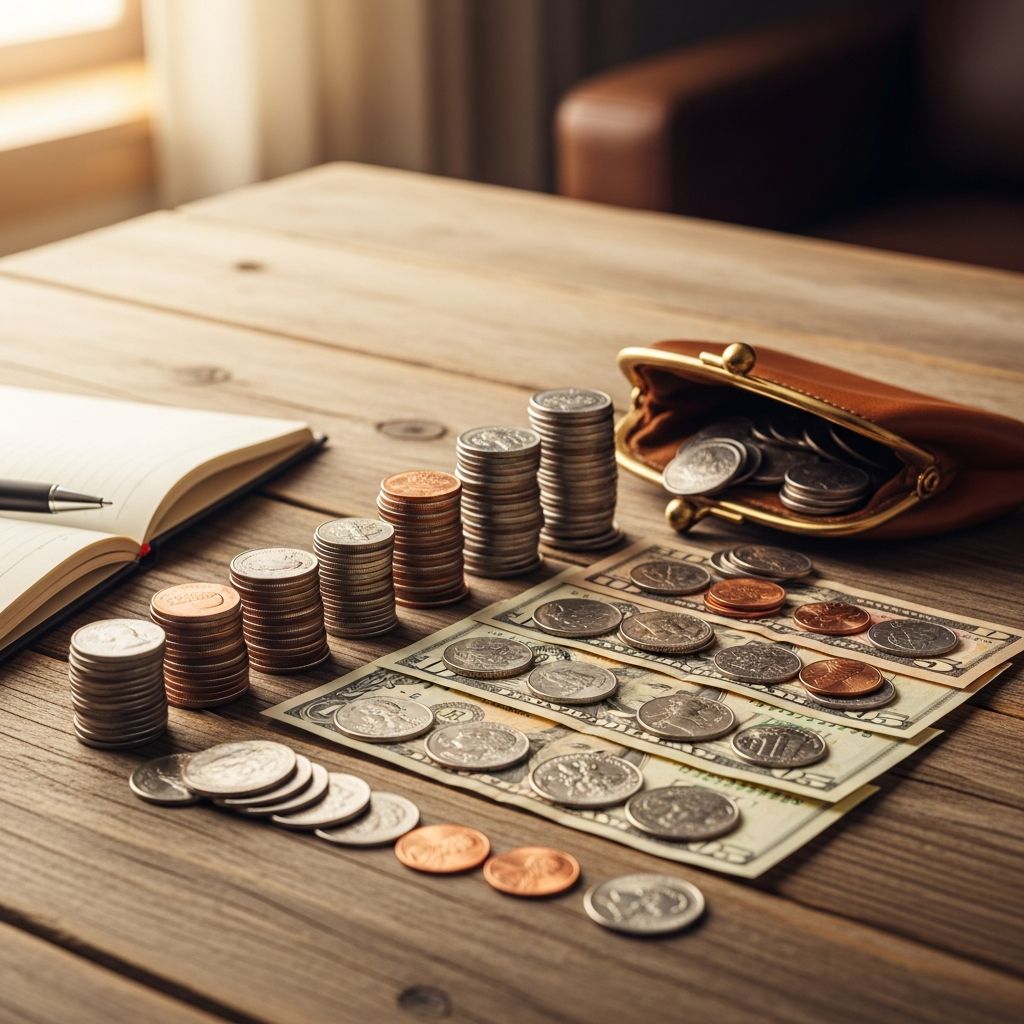
Building savings when your income barely covers essentials feels daunting, but targeted strategies make it achievable. This guide outlines realistic methods to trim expenses, automate growth, and generate extra funds, drawing on proven financial practices suitable for 2026’s economic landscape.
Understanding Your Financial Starting Point
Assess your current situation by tracking every dollar for one month. Use free apps to log income against outflows, revealing hidden leaks like daily coffee runs or unused subscriptions. This baseline informs all future decisions, ensuring savings efforts target real pain points.
Calculate your net worth: list assets (bank balances, valuables) minus liabilities (debts). Even if negative, this snapshot motivates progress. Review pay stubs for overlooked deductions or benefits like employer-matched savings plans.
Establishing Clear Savings Objectives
Define specific, measurable goals to stay motivated. Instead of “save more,” aim for “$500 emergency buffer by June” or “$200 monthly for utilities.” Specificity ties actions to outcomes, boosting adherence.
- Short-term: Cover unexpected repairs or medical bills.
- Medium-term: Fund vacations or holiday gifts without debt.
- Long-term: Seed retirement or home down payments.
Write goals visibly, perhaps on a fridge note or phone wallpaper, and revisit weekly.
Mastering the Art of Intentional Budgeting
Adopt a flexible budgeting framework like the 50/30/20 model: 50% needs (rent, food), 30% wants (entertainment), 20% savings/debt. Adjust for low incomes by prioritizing needs at 70%, squeezing wants to 10%, and committing 20% to savings.
Implement zero-based budgeting: assign every income dollar a job before spending. Tools like digital trackers automate categorization, flagging overspends instantly.
| Category | Percentage | Example Monthly ($2,000 Income) |
|---|---|---|
| Essentials | 70% | $1,400 |
| Discretionary | 10% | $200 |
| Savings/Debt | 20% | $400 |
This structure ensures savings happen first, treating them as non-negotiable bills.
Automating Wealth Accumulation
“Pay yourself first” by scheduling automatic transfers to savings on payday. Start small—$10 weekly—and increase as habits form. High-yield accounts from online banks offer 4-5% APY, compounding gains without effort.
Link checking to multiple savings buckets: one for emergencies, another for goals. Automation bypasses temptation, building discipline effortlessly.
Uncovering and Eliminating Expense Drains
Audit recurring costs quarterly. Cancel dormant streaming services, negotiate bills, and shop generics. Small wins compound: skipping $5 daily snacks saves $150 monthly.
- Review bank statements for ‘ghost’ charges.
- Switch to cash for groceries to curb impulse buys.
- Implement a 24-48 hour wait on non-essentials.
Batch errands to minimize fuel; cook in bulk to slash food waste by 30%.
Optimizing Daily Household Costs
Home expenses dominate low budgets. Combat rising utilities with LED bulbs, programmable thermostats, and off-peak usage. Meal prep weekly menus from pantry staples, reducing grocery bills 20-40%.
Purchase secondhand via apps or thrift stores for clothing/furniture. Libraries provide free entertainment, e-books, and classes, replacing paid alternatives.
Building a Robust Safety Net
Prioritize a 3-6 month expense fund in a separate, accessible account. Automate $25 biweekly deposits; replenish post-use immediately. This buffer prevents debt spirals from surprises like car breakdowns.
For low earners, start with $1,000 goal, then scale. Use windfalls (tax refunds) to accelerate.
Generating Supplementary Earnings
Diversify income via gigs matching skills: freelance writing, ridesharing, or selling crafts online. Platforms connect to quick tasks paying $15-50/hour. Aim for 5-10 extra hours weekly.
Monetize assets: rent parking spots or tools. Peer lending or micro-investments offer passive returns once seeded.
Leveraging Technology for Efficiency
Apps like budgeting trackers analyze patterns, suggesting cuts. AI alerts flag anomalies; cash-back tools rebate essentials. Enable alerts for low balances to avoid fees.
Digital minimalism curbs ad-driven spending; unsubscribe from promo emails triggering buys.
Cultivating a Savings Mindset
Shift from scarcity to abundance: celebrate micro-wins like a no-spend day. Avoid lifestyle creep post-raises by boosting savings proportionally. Quality trumps quantity—invest in durable goods.
Community accountability: join online groups sharing progress, fostering motivation.
Savings Challenges for Momentum
Engage in structured challenges: 52-week (save $1 week 1, $52 week 52) or no-spend months. Pair with pantry cleanses, redirecting dining savings.
- Week 1: $1 saved
- Month-end: No discretionary buys
- Daily: Track one habit
Navigating Debt While Saving
Tackle high-interest debt first via snowball (smallest balances) or avalanche (highest rates) methods. Consolidate if rates drop. Avoid new debt by building cash reserves.
Long-Term Planning Horizons
Seed retirement via low-fee index funds; employer matches double contributions. Prepare for tax shifts by maxing deductions early.
Frequently Asked Questions
Can I save on minimum wage?
Yes—cut $5-10 daily habits to save $150-300 monthly. Focus on automation and needs-only spending.
What’s the fastest way to build an emergency fund?
Automate transfers and use side gigs; target $1,000 first, then 3 months’ expenses.
How do I stick to a budget?
Review weekly, adjust flexibly, and use apps for real-time tracking.
Are high-yield savings safe?
FDIC-insured up to $250,000; choose established online banks.
Should I invest before an emergency fund?
No—liquidity first, then low-risk growth.
References
- How to Save Money in 2026 — North American Savings Bank. 2026. https://www.nasb.com/blog/detail/how-to-save-money-in-2026
- Tips for Saving Money in 2026 — Northwoods Credit Union. 2026. https://www.northwoodscu.org/tips-for-saving-money-in-2026/
- Small Financial Habits to Set You Up for a Successful 2026 — Harvard FCU Blog. 2026. https://blog.harvardfcu.org/small-financial-habits-to-set-you-up-for-a-successful-2026
- Low Income? Here Are 20 REAL Ways to Save Money in 2026 — YouTube (Chantel Anyanwu). 2026-01-25. https://www.youtube.com/watch?v=Y-ywHtoo7vs
- 26 of the Best Ways to Save Money in 2026 — The Skirting Co. 2026. https://theskirtingco.com/introducing-26-of-the-best-ways-to-save-money-in-2026/
- 10 Savings Challenges to Try in 2026 — Experian. 2026. https://www.experian.com/blogs/ask-experian/savings-challenges-to-try-this-year/
- Worried about your finances in 2026? Here are 5 money moves — CBS News. 2026. https://www.cbsnews.com/news/money-moves-2026-experts-recommend/
- 7 Smart Money Moves for 2026 Retirement Planning — Fidelity. 2026. https://www.fidelity.com/learning-center/personal-finance/retirement/2026-money-moves

- Integrated M.A. in Applied Linguistics, University of Hyderabad
- 5+ years in editorial, instructional, SEO, and research-based writing
Sneha is a relationships and lifestyle writer with a strong foundation in applied linguistics and certified training in relationship coaching. She brings over five years of writing experience to theskillvault, crafting thoughtful, research-driven content that empowers readers to build healthier relationships, boost emotional well-being, and embrace holistic living. Her writing and insights reflect the belief that beauty, happiness, and wellness…