
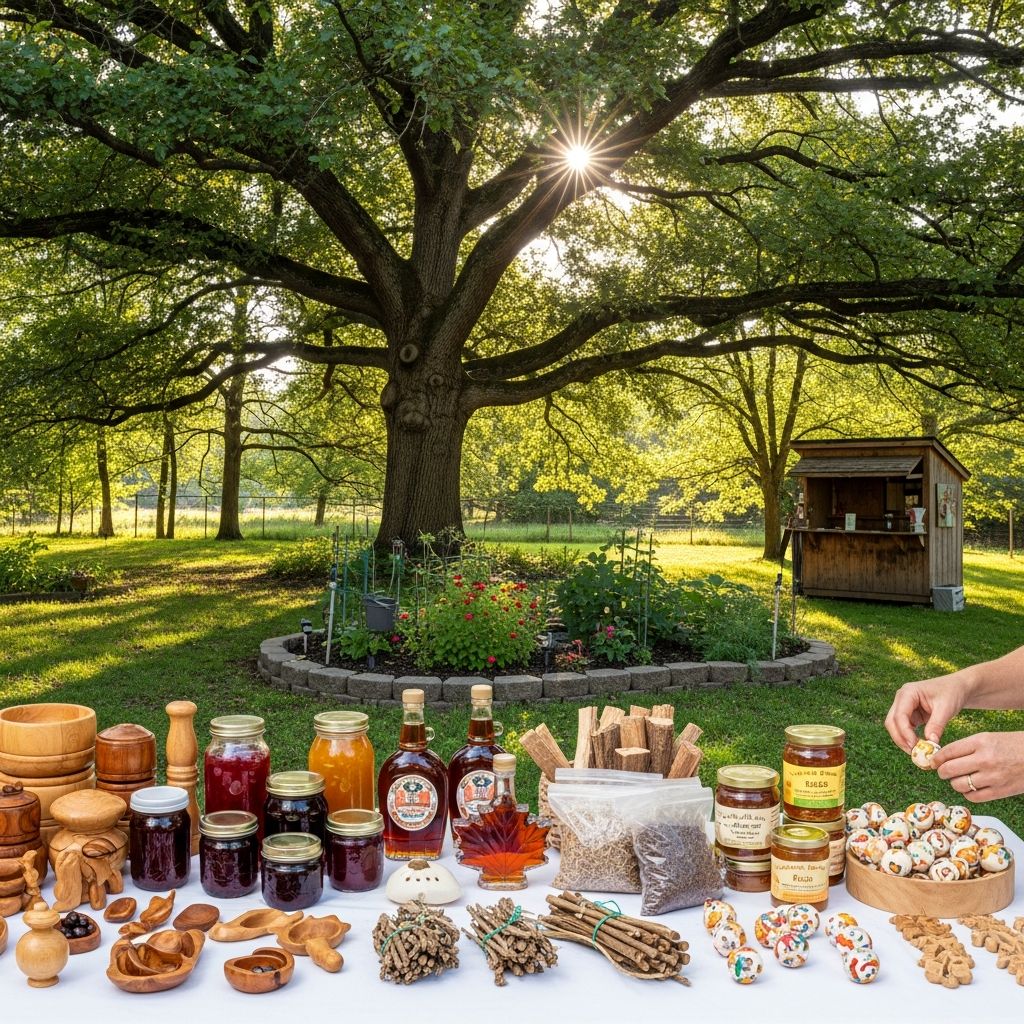
Property owners often overlook the financial potential of trees growing in their yards. Whether you’re clearing space for a new project, thinning out overgrowth, or simply capitalizing on mature specimens, selling trees can generate meaningful income. This process involves more than just chopping down branches; it requires careful evaluation, market research, and coordination with professionals to ensure safety, legality, and profitability. From live transplants sought by landscapers to high-value hardwoods for lumber mills, opportunities abound depending on your tree’s species, size, health, and location.
Assessing the Market Value of Your Trees
Before listing any tree for sale, determine its worth through a structured appraisal. Factors like species, diameter at breast height (DBH), straightness of the trunk, and overall condition dictate pricing. Hardwoods such as oak, walnut, and maple command premium prices due to demand in furniture and construction industries. In contrast, common softwoods may fetch less unless they’re exceptionally large.
- Species Identification: Use apps or consult local extension services to confirm type. Valuable examples include black walnut (up to $1,000+ per tree) and white oak.
- Measurements: Measure DBH 4.5 feet above ground. Trees over 18 inches often yield higher returns.
- Health Check: Inspect for disease, pests, or structural damage. Healthy trees sell faster and for more.
- Location Factors: Proximity to roads or buyers reduces extraction costs, boosting net value.
Professional foresters provide accurate valuations. Contact your state’s forestry extension agent for free or low-cost assessments; they offer expertise without obligation. Expect payouts ranging from $100 for small ornamentals to thousands for timber-grade giants, though yards trees typically yield 10-20% of retail nursery value after extraction costs.
Types of Trees You Can Sell and Their Buyers
Not all trees suit every market. Categorize based on intended use to target the right purchasers.
| Tree Type | Potential Buyers | Avg. Value Range | Key Considerations |
|---|---|---|---|
| Live Ornamentals (e.g., Japanese Maple, Palms) | Nurseries, landscapers, Re-Tree platforms | $50-$2,000 | Must be transplantable; accessibility crucial |
| Hardwood Timber (Oak, Walnut, Locust) | Sawmills, logging companies | $500-$5,000+ | Size and quality paramount; expert valuation needed |
| Fruit or Nut Producers | Specialty orchards, individuals | $200-$1,500 | Productive bearing age increases appeal |
| Common Yard Trees (Pine, Elm) | Firewood buyers, mulch processors | $20-$300 | Lower demand; volume sales improve returns |
Live trees appeal to buyers needing instant landscape features, while felled timber targets industrial markets. Platforms like Re-Tree connect sellers with relocation specialists for mature specimens.
Legal and Regulatory Essentials
Timber harvesting and tree sales fall under state forestry laws designed to protect environments and prevent disputes. Verify property boundaries to avoid neighbor claims. In many states, permits are required for trees exceeding certain diameters or numbers.
- Check local ordinances via county extension offices.
- Secure written contracts specifying trees, payment terms, and site restoration.
- Ensure buyers carry liability insurance for accidents during removal.
The Virginia Department of Forestry emphasizes contracts covering payment methods (lump sum vs. per-ton), timelines, and road repairs. Non-compliance risks fines or halted operations.
Finding Reputable Buyers Step-by-Step
Shop around for competitive bids to maximize profits. Start with free public resources.
- Contact Extension Services: State foresters like NC Forest Service offer timber exams and buyer referrals.
- Hire Consultants: Independent foresters cruise timber (inventory and value) for a fee, then market on your behalf.
- Research Sawmills and Nurseries: Look for certified operations with strong reviews. Firms like Beiler’s Sawmill specialize in hardwoods.
- Use Online Marketplaces: Sites for live trees facilitate direct sales or relocations.
- Get Multiple Quotes: Compare offers, negotiating store credit for higher payouts.
Avoid unsolicited buyers; bonded, insured companies minimize risks.
Practical Removal and Harvesting Logistics
Extraction poses challenges, especially for in-yard trees near structures. Nurseries or loggers handle digging with excavators or cranes, but site access matters.
- Prepare the Site: Clear obstacles; mark no-cut zones.
- Timing: Dormant seasons (late fall/winter) reduce transplant shock.
- Post-Removal Care: Contracts should mandate stump grinding and debris cleanup.
For live sales, buyers assess root balls; poor access can kill deals. Timber harvests use skidders for logs, leaving minimal footprint if managed well.
Maximizing Profits: Negotiation and Risk Management
Expect modest returns on single trees—often 10% of retail due to buyer risks like transplant failure. High-demand areas (e.g., California palms) buck this trend. Strategies include:
- Selling in bundles for volume discounts.
- Opting for credit at nurseries.
- Combining with stump removal services.
Mitigate risks by diversifying buyers and using pros. Poor health or shock claims can void payments, so document everything photographically.
Environmental and Long-Term Land Benefits
Selling trees aligns with sustainable management. Selective harvesting improves light penetration, health of remaining stands, and space for desired plantings. State services promote regeneration plans post-sale.
Frequently Asked Questions (FAQs)
Can I sell just one tree from my suburban yard?
Yes, though payouts are smaller. Nurseries buy ornamentals if healthy and accessible.
How much is my large oak worth?
Depends on DBH and quality; consult a forester. Premium hardwoods can exceed $1,000.
Do I need permits to sell trees?
Often yes for timber; check state forestry laws.
What if my tree is hard to reach?
Buyers factor costs; cranes may be needed, reducing offers.
Is it worth the hassle for small properties?
For valuable species, yes. Free extension advice helps decide.
Real-World Success Stories
Homeowners have netted thousands from palms in development hotspots or walnuts via sawmills. One case involved a nursery paying for a Japanese Maple despite tight access, highlighting persistence pays.
In summary, transforming yard trees into revenue streams demands preparation but rewards savvy sellers. Leverage free expert aid to navigate this niche market confidently.
References
- You Can Sell a Live Tree From Your Yard — A Pretty Happy Home. 2020-03-23. https://aprettyhappyhome.com/2020/03/23/sell-a-live-tree-from-your-yard/
- How to Sell Trees From Your Yard — Beiler’s Sawmill. N/A. https://beilersawmill.com/blog/how-to-sell-property-trees/
- What Is My Timber Worth, and How Do I Sell It? — USDA Forest Service. N/A. https://www.srs.fs.usda.gov/econ/timberprices/answers/
- Selling Timber — Virginia Department of Forestry. N/A. https://dof.virginia.gov/forest-management-health/landowner-assistance/selling-timber/
- Sell or Relocate Your Unique Mature Tree or Shrub — Re-Tree. N/A. https://www.re-tree.org/sell
- Selling Your Timber — NC Department of Agriculture. N/A. https://www.ncagr.gov/divisions/nc-forest-service/managing-your-forest/selling-your-timber

Medha Deb is an editor with a master's degree in Applied Linguistics from the University of Hyderabad. She believes that her qualification has helped her develop a deep understanding of language and its application in various contexts. Medha specializes in the areas of beauty, health, sports, and wellness and is committed to ensuring that the content on the website is…