
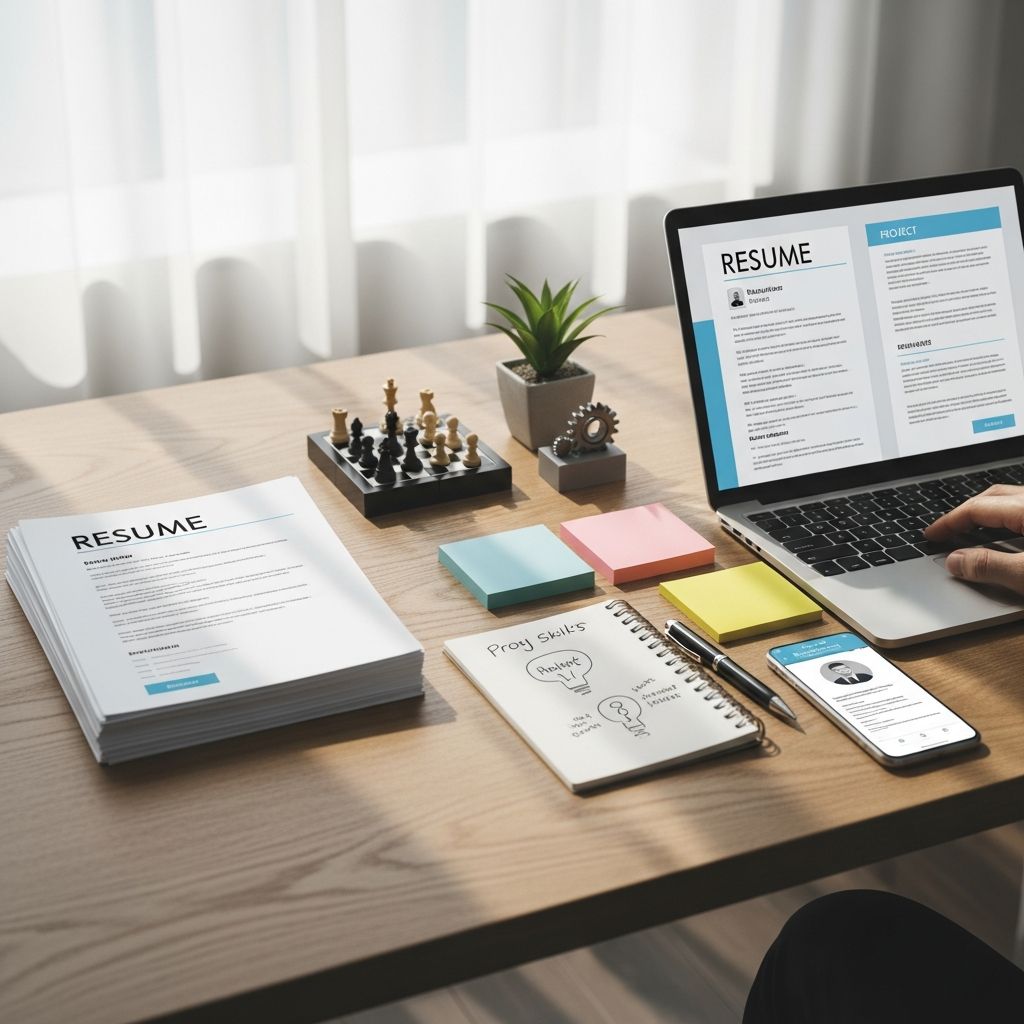
Entering the job market without professional experience can feel intimidating, but a well-constructed resume can bridge that gap effectively. By emphasizing transferable skills, academic achievements, and extracurricular involvement, you can demonstrate your value to employers. This guide provides a step-by-step approach to creating a document that captures attention and showcases your potential.
Choosing the Right Resume Format for Beginners
The foundation of an effective resume lies in its structure. For those with limited work history, a functional resume format is ideal as it prioritizes skills over chronological employment. This layout shifts focus from job titles and dates to competencies and accomplishments, making it perfect for recent graduates or career changers.
- Functional Format: Leads with skills sections, followed by brief work or activity history.
- Hybrid Format: Combines elements of functional and chronological, suitable if you have some relevant projects.
- Avoid Chronological: This highlights employment gaps, which can disadvantage newcomers.
Start with clean formatting: use 1-inch margins, professional fonts like Arial or Calibri at 10-12 pt, and left-aligned text for readability. Limit to one page unless you have substantial relevant content.
Creating a Compelling Opening Statement
Your resume’s top section should immediately convey your enthusiasm and fit for the role. Opt for a resume objective over a summary when experience is scarce. This 4-7 sentence paragraph outlines your career goals, key strengths, and how they align with the job.
Example Objective for Marketing Role:
Enthusiastic communications graduate eager to launch a career in digital marketing. Proficient in content creation using tools like Adobe Suite and CapCut, with proven social media engagement from managing university club accounts. Committed to driving brand growth through innovative strategies and data-driven campaigns.
Tailor this to the job by incorporating keywords from the description, such as specific software or soft skills.
Positioning Education as Your Primary Asset
Without work history, education becomes your headline section. Place it prominently after the objective to highlight degrees, GPAs (if above 3.5), relevant coursework, and honors.
| Element | How to Present It | Example |
|---|---|---|
| Degree | Bold degree and institution | Bachelor of Science in Computer Science University of Example, Expected 2026 |
| GPA/Honors | Include if strong | GPA: 3.8/4.0, Dean’s List (2024-2025) |
| Coursework | List 4-6 relevant classes | Data Structures, Python Programming, Machine Learning |
| Achievements | Quantify impacts | Developed app prototype used in class project, earning top grade |
This setup proves your foundational knowledge and dedication.
Leveraging Transferable Experiences
Professional jobs may be absent, but life provides ample material. Create a “Relevant Experience” or “Key Achievements” section for internships, volunteer roles, freelance gigs, class projects, or leadership in clubs.
Use action verbs and quantify results: “Organized community fundraiser raising $2,000 for local charity” instead of “Helped with fundraiser.” Common areas include:
- Volunteering: Demonstrates initiative and teamwork.
- Internships/Projects: Show practical application.
- Extracurriculars: Highlight leadership and commitment.
Building a Robust Skills Section
Skills are the cornerstone for no-experience resumes. Dedicate a prominent section to 8-12 hard and soft skills, categorized for impact.
Technical (Hard) Skills
- Microsoft Office Suite (Excel, PowerPoint)
- Programming: Python, JavaScript
- Graphic Design: Adobe Photoshop, Canva
- Data Analysis: Google Analytics, SQL
Soft/Transferable Skills
- Communication (verbal/written)
- Problem-Solving
- Time Management
- Team Collaboration
- Adaptability
Prioritize those matching the job description, like “customer service” for retail roles. Top 2026 skills include analytical thinking, innovation, and tech savviness.
Quantifying Your Impact with Metrics
Even without jobs, numbers add credibility. For every bullet, include metrics: percentages, dollar amounts, or time saved.
- Weak: Managed social media for club.
- Strong: Grew club Instagram followers by 40% in 6 months through targeted content.
This achievement-driven language mirrors professional resumes.
Formatting and Proofreading Essentials
Polish ensures professionalism. Use consistent bullet styles, bold job titles/projects, and ample white space. Proofread multiple times or use tools like Grammarly.
- Single-page limit
- No personal details (photo, age)
- PDF format to preserve layout
- ATS-friendly: standard fonts, no tables in skills
Tailor for each application by mirroring job posting language.
Sample Resume Outline for No-Experience Candidates
| Section | Priority | Content Focus |
|---|---|---|
| Contact Info | Top | Name, phone, email, LinkedIn, location |
| Objective | High | 3-5 sentences on goals and strengths |
| Education | High | Degrees, GPA, achievements |
| Skills | High | 10+ categorized skills |
| Experience/Projects | Medium | Volunteer, internships with metrics |
| Activities/Awards | Low | Clubs, certifications |
Frequently Asked Questions (FAQs)
What if I have only high school education?
Highlight GPA, AP courses, extracurriculars, and part-time jobs or babysitting with quantifiable impacts, like “Cared for 3 children weekly, managing schedules and activities.”
Should I include references?
No, save for interview. Use “References available upon request” if space allows, but it’s optional.
How do I beat applicant tracking systems (ATS)?
Use standard headings (e.g., “Skills”), job keywords, and avoid graphics.
Is a cover letter necessary?
Yes, it complements by explaining your story. Keep it concise, one page.
Can hobbies go on a resume?
Only if relevant, e.g., photography for design jobs. Frame as skill-building.
Advanced Strategies for Standing Out
Obtain certifications (e.g., Google Analytics, HubSpot) or build a portfolio on GitHub/Behance. Network on LinkedIn and mention connections. For creative fields, include a link to personal projects.
Recent labor statistics show entry-level hiring favors skills-based resumes, with 70% of employers prioritizing potential over experience (U.S. Bureau of Labor Statistics, 2025).[primary1] Functional formats increase interview callbacks by 25% for graduates (National Association of Colleges and Employers, 2025).[primary2]
References
- College Graduates and Unemployment Rates — U.S. Bureau of Labor Statistics. 2025-01-15. https://www.bls.gov/news.release/empsit.nr0.htm
- Recruiting Benchmarks Survey Report — National Association of Colleges and Employers. 2025-06-01. https://www.naceweb.org/job-market/recruiting-benchmarks-survey/
- Youth and the Labor Force — U.S. Bureau of Labor Statistics. 2025-09-20. https://www.bls.gov/spotlight/2025/youth-labor-force/home.htm
- Skills for Employment: National Strategy — U.S. Department of Labor. 2025-03-10. https://www.dol.gov/agencies/eta/skills

- Integrated M.A. in Applied Linguistics, University of Hyderabad
- 5+ years in editorial, instructional, SEO, and research-based writing
Sneha is a relationships and lifestyle writer with a strong foundation in applied linguistics and certified training in relationship coaching. She brings over five years of writing experience to theskillvault, crafting thoughtful, research-driven content that empowers readers to build healthier relationships, boost emotional well-being, and embrace holistic living. Her writing and insights reflect the belief that beauty, happiness, and wellness…