
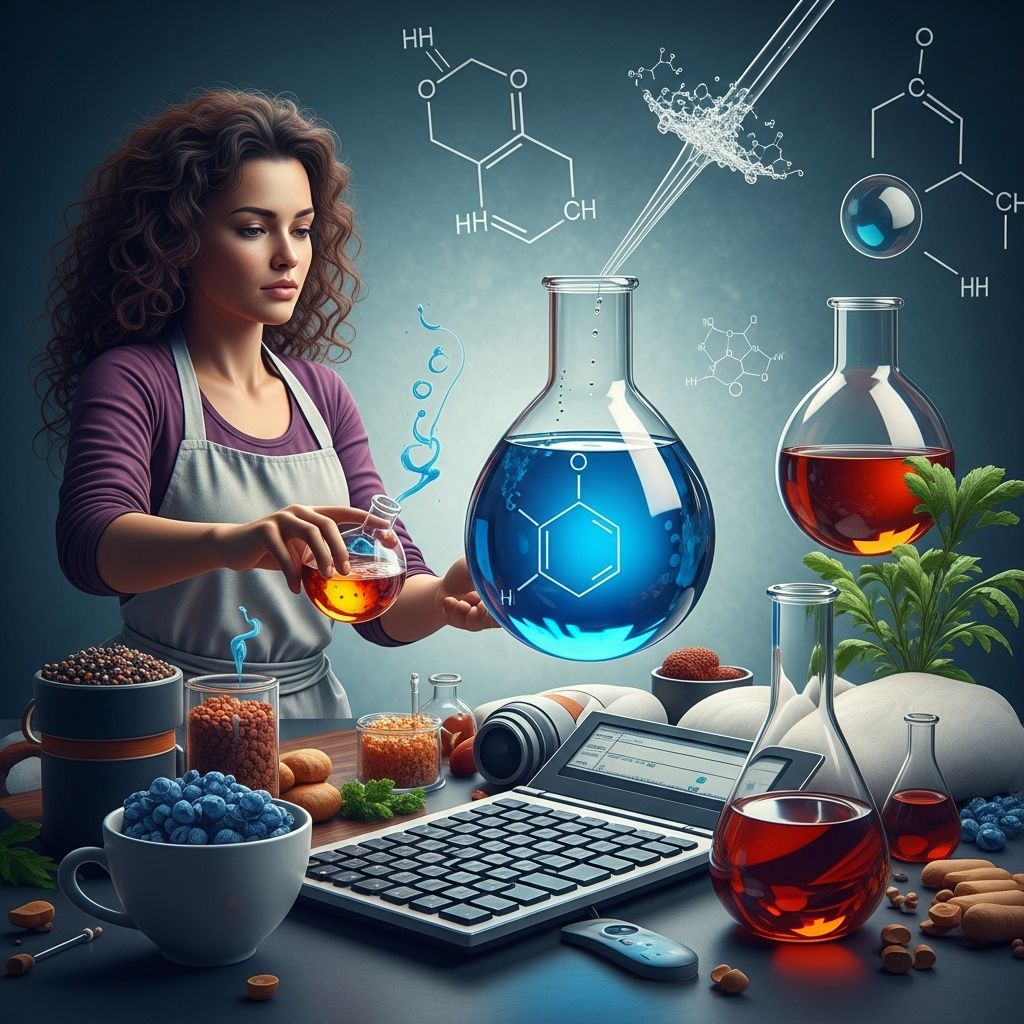
Chemistry underpins nearly every aspect of human existence, transforming raw materials into essential products and enabling scientific advancements that improve quality of life. As the central science linking physics and biology, it explains matter’s composition, properties, and transformations, influencing everything from personal care to global industries.
Foundational Concepts Driving Everyday Innovations
At its core, chemistry examines atoms, molecules, and their interactions, forming the basis for understanding natural and synthetic processes. This knowledge allows scientists to engineer solutions for real-world challenges, such as creating safer foods or more efficient fuels. Without chemical principles, innovations in health, agriculture, and technology would stall.
Chemical reactions power biological functions, industrial manufacturing, and environmental cycles. For instance, photosynthesis in plants—a chemical process converting sunlight into energy—sustains food chains and oxygen production. Human-engineered reactions mimic and enhance these, amplifying benefits across sectors.
Enhancing Nutrition and Food Security
Food production and preservation rely heavily on chemistry. Nutrients like carbohydrates, proteins, fats, vitamins, and minerals are chemical compounds analyzed through techniques such as spectroscopy to ensure balanced diets.
- Preservation Techniques: Additives and preservatives prevent spoilage by inhibiting bacterial growth, extending shelf life without compromising safety.
- Fertilizers: Compounds like urea and ammonium sulfate boost crop yields by supplying essential nitrogen, addressing global hunger challenges.
- Quality Control: Chemical tests detect contaminants, ensuring food purity and nutritional accuracy.
Cooking itself involves reactions like Maillard browning, where amino acids and sugars react under heat to create flavors and aromas. Chemistry guides fortification, adding vitamins to combat deficiencies in populations.
Revolutionizing Healthcare and Pharmaceuticals
Medicines are sophisticated chemical entities designed to interact with bodily processes. Analgesics relieve pain, antibiotics combat infections, and disinfectants eliminate pathogens—each rooted in molecular chemistry.
Drug development uses organic chemistry to synthesize compounds targeting specific diseases. For example, understanding enzyme structures enables precise inhibitors for conditions like diabetes or cancer. Delivery systems, such as timed-release capsules, rely on polymer chemistry for optimal efficacy.
| Drug Category | Chemical Role | Daily Impact |
|---|---|---|
| Analgesics | Block pain signals via molecular binding | Manages headaches, injuries |
| Antibiotics | Disrupt bacterial cell walls | Treats infections, saves lives |
| Vaccines | Stimulate immune responses chemically | Prevents diseases like flu |
Beyond treatment, diagnostic tools like blood tests employ chemical reactions to measure glucose or cholesterol levels, empowering preventive care.
Personal Care: From Cleansing to Beautification
Daily hygiene products are chemical masterpieces. Soaps and detergents undergo saponification, where fats react with alkalis to produce surfactants that emulsify dirt and oils.
- Shampoos use pH-balanced formulas with surfactants and conditioners for hair health.
- Cosmetics incorporate emulsifiers, pigments, and preservatives for stability and skin benefits.
- Toothpastes contain fluorides that chemically strengthen enamel against decay.
Perfumes blend volatile organic compounds for lasting scents, while lotions hydrate via humectants like glycerin. Chemistry ensures these are non-toxic and effective.
Powering Modern Energy and Transportation
Fuels like gasoline and diesel result from petrochemical processes refining crude oil into usable hydrocarbons. Batteries, powering devices from phones to electric vehicles, operate on electrochemistry—ions moving between electrodes generate electricity.
Alternative energies, such as solar cells, use semiconductor chemistry to convert light to power. Hydrogen fuel cells promise clean transport via water-forming reactions. These advancements reduce reliance on fossil fuels, mitigating climate impacts.
Building Sustainable Structures and Materials
Construction materials like cement, bricks, and polymers are chemically engineered for durability. Portland cement hardens through hydration reactions, binding aggregates into concrete.
Advanced materials include lightweight composites for aerospace and insulating foams for energy-efficient homes. Recycling plastics involves depolymerization, breaking chains for reuse. Chemistry drives green building by developing low-emission concretes and biodegradable alternatives.
Safeguarding the Environment Through Chemical Insight
Environmental chemistry monitors pollutants in air, water, and soil, using spectroscopy to detect toxins. Remediation techniques, like bioremediation, employ microbes to degrade oils via enzymatic reactions.
- Water purification uses coagulants to flocculate impurities.
- Air scrubbers neutralize acids with bases.
- Waste management recycles metals through electrolytic reduction.
Chemistry informs climate strategies, such as carbon capture using amine solvents to bind CO2. Sustainable agriculture minimizes runoff with precise fertilizers.
Skills and Awareness Fostered by Chemistry Education
Studying chemistry cultivates critical thinking, observation, and problem-solving. Lab work teaches precise measurement and data analysis, applicable in careers from engineering to policy.
It builds scientific literacy, enabling informed decisions on issues like GMOs, plastics pollution, and vaccine safety. Understanding reactions demystifies pseudoscience, promoting evidence-based living.
Frequently Asked Questions (FAQs)
What is the most common chemical reaction in daily life?
Respiration, where glucose oxidizes to produce energy, occurs constantly in cells.
How does chemistry improve food production?
Fertilizers enhance soil nutrients, pesticides control pests, and genetic modifications optimize yields.
Why are batteries considered a chemical application?
They rely on redox reactions transferring electrons between electrodes.
Can chemistry help combat climate change?
Yes, through catalysts for green fuels, carbon sequestration, and pollution cleanup technologies.
Is organic chemistry relevant to non-scientists?
Absolutely—it explains drug actions, food chemistry, and biological processes everyone experiences.
Future Horizons: Chemistry’s Evolving Impact
Emerging fields like nanotechnology promise targeted drug delivery via molecular machines. Synthetic biology engineers microbes for biofuels and plastics. Personalized medicine tailors treatments to genetic profiles using chemical genomics.
Sustainability drives innovations like perovskite solar cells exceeding 25% efficiency and enzymatic plastic degradation. Chemistry will address challenges like antibiotic resistance through novel antimicrobials and water scarcity via desalination membranes.
In agriculture, precision farming uses sensors for targeted chemical applications, reducing waste. Globally, chemistry supports UN Sustainable Development Goals, from zero hunger to clean energy.
Ultimately, chemistry is not abstract—it’s the invisible force enabling health, comfort, and progress. Embracing its principles empowers individuals to innovate responsibly.
References
- Chemistry In Everyday Life — SATHEE, IIT Kanpur. 2023. https://satheejee.iitk.ac.in/article/chemistry/chemistry-in-everyday-life/
- Why Is Chemistry Important to Our Everyday Life? — Advanced ChemTech. 2023. https://advancedchemtech.com/why-is-chemistry-important-to-our-everyday-life/
- The World of Chemistry: Its Importance and Role in Our Everyday Life — Vocal Media Education. 2023. https://vocal.media/education/the-world-of-chemistry-its-importance-and-role-in-our-everyday-life-n2eh606bk
- Importance of Chemistry in Everyday Life — GeeksforGeeks. 2025-10-15. https://www.geeksforgeeks.org/chemistry/importance-of-chemistry-in-everyday-life/
- What Are The 10 Importance Of Chemistry In Our Daily Life? — Chemical Industry Review. 2023. https://www.chemicalindustryreview.com/news/what-are-the-10-importance-of-chemistry-in-our-daily-life–nwid-38.html

Medha Deb is an editor with a master's degree in Applied Linguistics from the University of Hyderabad. She believes that her qualification has helped her develop a deep understanding of language and its application in various contexts. Medha specializes in the areas of beauty, health, sports, and wellness and is committed to ensuring that the content on the website is…