
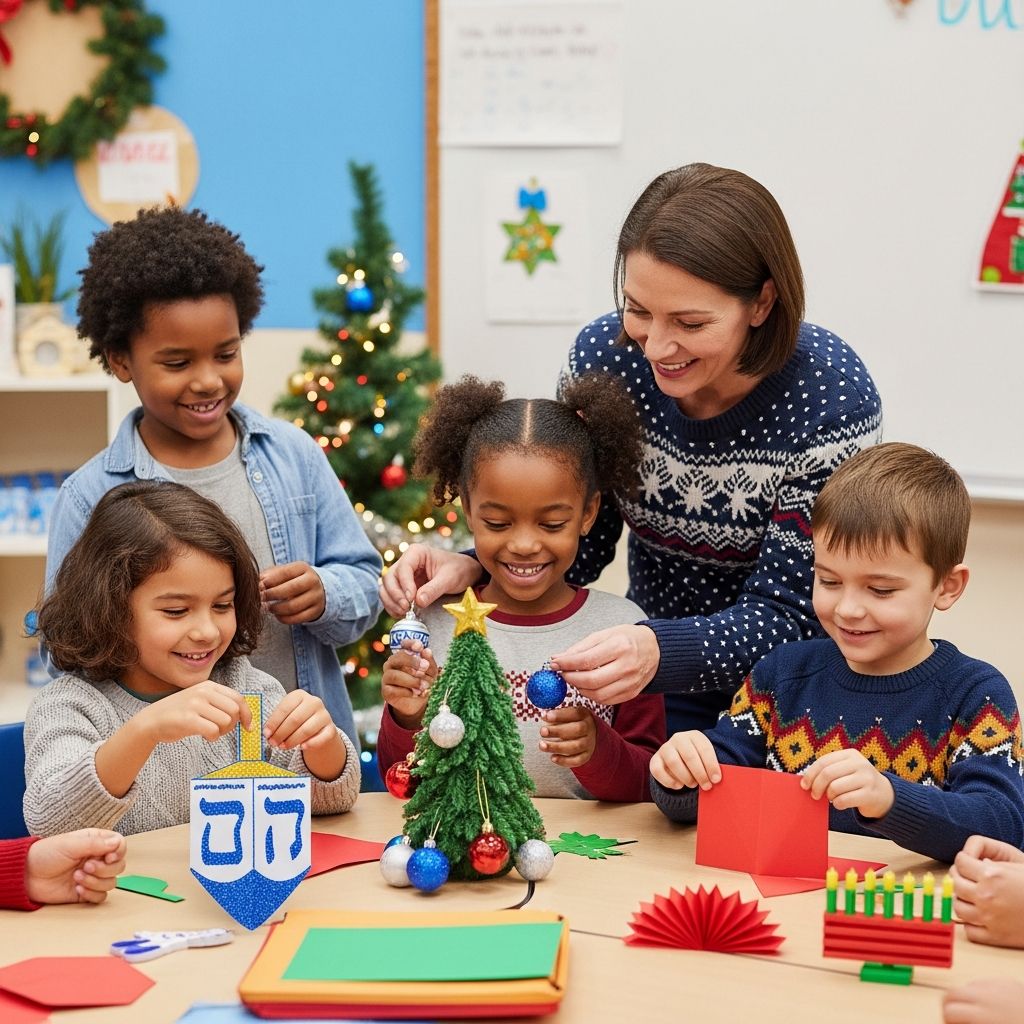
Winter holidays present unique opportunities for educators to foster inclusivity and cultural awareness in diverse classrooms. By adopting culturally responsive practices, teachers can honor the rich tapestry of traditions represented by their students, ensuring no one feels marginalized during this festive season.
Understanding Cultural Responsiveness in Education
Culturally responsive teaching involves recognizing and integrating students’ cultural backgrounds into the learning environment. This approach not only validates individual identities but also enhances academic engagement and social cohesion. During winter holidays, it means moving beyond dominant narratives to embrace a spectrum of celebrations, from religious observances to secular events.
Educators must first reflect on their own biases. How do personal holiday experiences shape classroom decisions? Self-awareness allows teachers to create spaces where all cultures are equally valued, preventing unintentional favoritism toward any single tradition.
Assessing Classroom Diversity Early
Begin the school year by surveying families about their holiday observances. A simple form sent home in early fall can reveal celebrations like Christmas, Hanukkah, Kwanzaa, Las Posadas, or Winter Solstice. Encourage families to share details such as key dates, foods, symbols, and stories.
- Include space for multiple traditions in intercultural families.
- Request illustrations or photos from children to personalize responses.
- Compile submissions into a class holiday book for shared reading and checkout.
This process builds anticipation and ownership, turning holidays into a collective classroom narrative.
Building a Shared Holiday Calendar
Collaborate with students and families to construct a visual calendar highlighting all relevant dates. Use it to plan lessons, avoid scheduling conflicts, and ensure equitable representation.
| Holiday | Date Range | Key Themes | Classroom Activity Idea |
|---|---|---|---|
| Hanukkah | Varies (Nov-Dec) | Light, miracles, oil | Make menorahs from clay |
| Kwanzaa | Dec 26-Jan 1 | Unity, family, harvest | Kinara lighting ceremony |
| Christmas | Dec 25 | Birth of Jesus, giving | Storytelling circles |
| Las Posadas | Dec 16-24 | Journey to Bethlehem | Procession reenactment |
| Winter Solstice | Dec 21 | Light in darkness, renewal | Sun tracking experiments |
Such a table serves as a daily reference, sparking discussions on common threads like light overcoming darkness or family gatherings.
Highlighting Universal Themes Across Traditions
Many winter holidays share motifs of light, renewal, community, and generosity. Frame lessons around these universals to connect diverse practices without diluting uniqueness.
- Light: Hanukkah’s candles, Christmas lights, Diwali lamps (if overlapping), solstice bonfires.
- Renewal: New Year’s resolutions, Yule rebirth symbols, Lunar New Year fresh starts.
- Family & Feasting: Shared meals in most traditions emphasize togetherness.
Activities like creating “light jars” with glowing materials allow students to explore these themes hands-on, linking personal stories to global practices.
Designing Inclusive Classroom Celebrations
Transform traditional parties into multicultural experiences. Instead of holiday-specific events, host a “Winter Wonders” gathering where students showcase family traditions.
Invite families to contribute recipes, music, or artifacts. Rotate stations featuring different cultures: a Kwanzaa kinara display, Hanukkah dreidel games, or solstice star gazing. This student-led format ensures broad participation.
For parties, rebrand as neutral themes like “End-of-Year Bash” tied to class mascots or achievements. Students vote on activities, foods, and decorations, incorporating elements from various backgrounds.
Integrating Holidays into Curriculum
Embed holiday learning across subjects for deeper impact. In math, calculate candle-burning times for Hanukkah; in science, explore solstice astronomy; in art, craft symbolic ornaments; in language arts, write comparative folktales.
Virtual field trips amplify this: tour Hanukkah celebrations in Israel, Kwanzaa markets in the U.S., or Chinese New Year parades. Pair with family scavenger hunts for authentic artifacts at home.
Engaging Families as Cultural Partners
Families are invaluable resources. Host workshops where parents demonstrate traditions, like making latkes or lighting a kinara. Virtual options accommodate busy schedules.
Maintain an open-door policy, addressing language barriers with translators. Share class projects via apps, fostering ongoing dialogue.
Navigating Challenges and Policies
Develop a classroom holiday policy collaboratively with staff and families, aligned with anti-bias frameworks. Core goals include nurturing identity pride, dismantling prejudice, and empowering action against bias.
Address the “December Dilemma” by prioritizing equity: no single holiday dominates decorations or time. Monitor for overload; focus on 3-5 key observances based on class demographics.
Promoting Values of Giving and Kindness
Winter’s spirit of generosity offers lessons in philanthropy. Organize class drives for local shelters, tying into traditions like St. Nicholas gift-giving or Boxing Day customs.
Discuss how giving manifests culturally—mitten trees, toy collections, or community feasts—cultivating empathy and civic responsibility.
Evaluating and Reflecting on Practices
Post-holiday, survey students: “What did you learn? How did you feel included?” Adjust future plans based on feedback. Professional development on cultural responsiveness sustains growth.
Frequently Asked Questions (FAQs)
What if a student doesn’t celebrate any winter holiday?
Emphasize secular themes like winter nature or personal goals. Allow opt-outs with alternative enriching activities, ensuring they feel valued.
How do I handle conflicting family views on holiday sharing?
Stress voluntary participation and respect privacy. Focus on public, non-sacred elements to avoid discomfort.
Can I still decorate for holidays?
Yes, but diversify: multicultural trees, global lights, student-made symbols representing all traditions.
What about school-wide events?
Advocate for inclusive programming through committees, suggesting rotating themes or all-school cultural fairs.
How do I source accurate cultural information?
Consult families first, then reputable educational resources. Avoid stereotypes by verifying with community experts.
References
- Teaching Winter Celebrations in San Diego County Classrooms — San Diego County Office of Education. 2023. https://www.sdcoe.net/students/resources-guide-library/immigration/~board/resource-library/post/winter-celebrations-in-san-diego-county-classrooms
- Culturally Responsive Instruction for Holiday and Religious Celebrations — Colorín Colorado. 2022. https://www.colorincolorado.org/article/culturally-responsive-instruction-holiday-and-religious-celebrations
- Holidays in a Diverse World: Applying Anti-Bias Thinking to Curriculum — National Association for the Education of Young Children (NAEYC). 2023. https://www.naeyc.org/resources/blog/holidays-diverse-world-applying-anti-bias-thinking-curriculum
- Winter Holidays — Responsive Classroom. 2022. https://www.responsiveclassroom.org/winter-holidays/
- Cultural Responsiveness During the Holiday Season — Fishtank Learning. 2023. https://www.fishtanklearning.org/teacher-support/blog/cultural-responsiveness-during-holidays/

- Integrated M.A. in Applied Linguistics, University of Hyderabad
- 5+ years in editorial, instructional, SEO, and research-based writing
Sneha is a relationships and lifestyle writer with a strong foundation in applied linguistics and certified training in relationship coaching. She brings over five years of writing experience to theskillvault, crafting thoughtful, research-driven content that empowers readers to build healthier relationships, boost emotional well-being, and embrace holistic living. Her writing and insights reflect the belief that beauty, happiness, and wellness…