
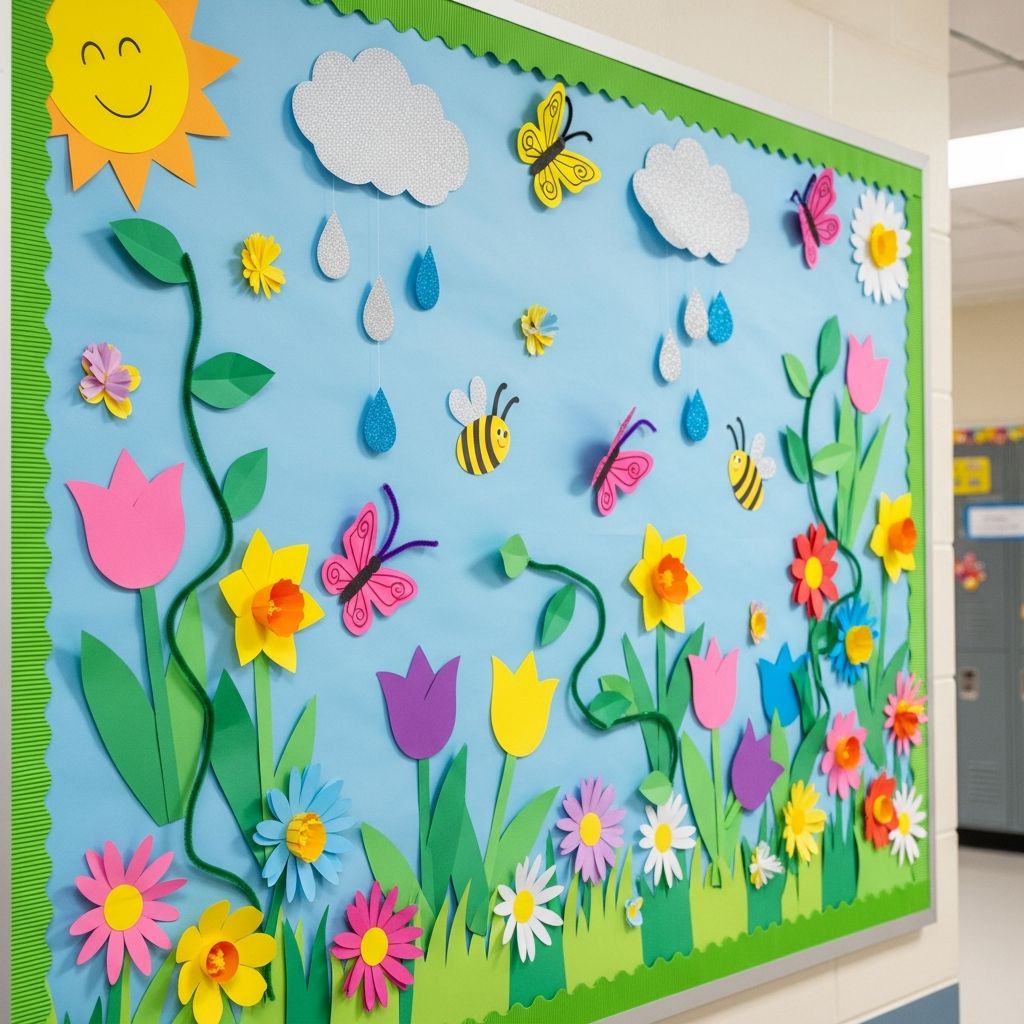
Spring transforms classrooms into hubs of renewal and excitement. Bulletin boards serve as dynamic canvases that not only beautify spaces but also reinforce educational goals, foster creativity, and mark seasonal transitions. These displays can highlight student achievements, teach key concepts, and build community spirit. With thoughtful planning, they become interactive tools that captivate young minds during the vibrant spring season.
Why Spring Bulletin Boards Matter in Education
Bulletin boards are more than decorations; they are powerful teaching aids. Research from the National Association for the Education of Young Children emphasizes how visual displays enhance memory retention and engagement in early learning environments. In spring, when students buzz with energy from longer days and milder weather, these boards channel that enthusiasm into focused learning. They encourage ownership when students contribute artwork or ideas, boosting pride and motivation. Teachers report higher participation rates when displays reflect current themes, making abstract concepts tangible.
Seasonal Nature Themes to Welcome Spring
Capture the essence of spring’s awakening with nature-focused designs. These boards emphasize growth, color, and outdoor wonder, aligning perfectly with science lessons on plant cycles and weather patterns.
- Blossoming Growth Journey: Feature a large tree trunk with branches extending across the board. Students craft paper flowers using tissue and pipe cleaners, attaching them to represent personal goals “blooming.” Include labels like “Our Class is Growing Strong!”
- Rainy Day to Sunshine: Depict April showers with blue streamers as rain, transitioning to yellow sunbursts and green grass cutouts. Hang student-made umbrellas with math facts inside for a practical twist.
- Butterfly Metamorphosis: Illustrate the butterfly life cycle with sequential stages. Students draw or paint caterpillars, chrysalises, and butterflies, labeling each phase to tie into biology units.
These themes use affordable supplies like construction paper, cotton balls for clouds, and glitter for dew drops, keeping costs low while maximizing visual impact.
Holiday Celebrations with Interactive Twists
Spring holidays offer timely opportunities for culturally rich displays. Integrate traditions while promoting inclusivity and learning.
St. Patrick’s Day Luck and Legends
Embrace emerald vibes early in the season. Create a rainbow pathway leading to a pot of gold filled with student-written “lucky traits,” such as kindness or perseverance. Add leprechaun hats from handprints and shamrock chains for texture. This setup sparks discussions on folklore and probability math through rainbow color sorting.
Easter Renewal and Creativity
Design an Easter egg hunt scene with oversized eggs hiding sight words or vocabulary terms. Students decorate their own eggs with patterns representing global Easter customs, fostering cultural awareness. A bunny trail made from footprints guides viewers through the board.
Earth Day Environmental pledges
According to the U.S. Environmental Protection Agency, hands-on environmental education increases student advocacy. Craft a globe from recycled materials, surrounded by pledges like “I Promise to Plant Trees.” Students contribute leaf rubbings from local plants, linking to sustainability lessons.
Mother’s Day and Family Appreciation Boards
Honor caregivers with heartfelt displays. Send home templates for students to draw “What I Love About You” portraits, then assemble into a bouquet of faces. Alternatives include fingerprint lilies on stems, each petal noting a special memory. These boards strengthen family-school bonds and teach gratitude.
End-of-Year Reflections and Summer Anticipation
As spring progresses toward summer, shift to celebratory motifs. A “Memories Beach” board features student photos in paper swimsuits recounting favorite moments. Or, a sunburst with rays labeled “Summer Goals” encourages forward-thinking. These prepare students emotionally for transitions.
Practical Tips for Stunning, Durable Displays
Maximize longevity and ease with these strategies:
- Use border rolls for quick frames in pastel shades.
- Layer elements with foam dots for dimension.
- Incorporate LED string lights (battery-operated) for evening events.
- Store kits in labeled bags for reuse.
| Supply | Purpose | Cost-Saving Tip |
|---|---|---|
| Construction Paper | Base elements | Buy in bulk packs |
| Contact Paper | Weatherproofing | Laminate student work |
| Curling Ribbon | 3D accents | Dollar store finds |
| Push Pins | Secure layers | Color-code by theme |
Student-Led Projects for Maximum Engagement
Empower students by involving them fully. For a pollinator garden board, have groups research bees and flowers, creating fact bubbles. A collaborative mural where each adds weather symbols teaches data collection. These methods, supported by constructivist learning theories from Piaget, deepen understanding through active creation.
Adapting for Different Grade Levels
- Preschool: Sensory-focused with textures like yarn grass and pom-pom chicks.
- Elementary: Curriculum-tied, e.g., fractions as pie slices in a spring picnic.
- Middle School: Abstract concepts like poetry on wind-swept kites.
Frequently Asked Questions
What materials are best for spring bulletin boards?
Opt for vibrant construction paper, fabric scraps for backgrounds, and natural elements like twigs for authenticity. Avoid fading colors by using UV-protectant sprays.
How often should I change spring displays?
Align with monthly themes or every 4-6 weeks to maintain freshness without overwhelming prep time.
Can bulletin boards support special needs students?
Yes, incorporate tactile elements, large fonts, and braille labels for inclusivity, per Individuals with Disabilities Education Act guidelines.
What’s a quick 1-hour spring board idea?
A sunny meadow: Green bulletin board paper, student handprint flowers, and letter cutouts spelling “Spring Has Sprung!”
How do I involve parents in board creation?
Host a “Decorate Night” where families contribute themed crafts, building community ties.
Advanced Techniques for Professional Polish
Elevate designs with typography: Cut letters from textured scrapbook paper or use die-cut machines if available. Thematic fonts downloaded and traced add flair. Photography integration—snap student progress and print for timelines—creates evolving narratives. For interactivity, add flaps revealing quizzes or pockets for homework drops.
Incorporate technology subtly: QR codes linking to student videos of spring observations comply with ISTE standards for digital citizenship. Seasonal scents via cotton balls dabbed with essential oils (supervised) engage senses, enhancing multisensory learning as recommended by Harvard’s Project Zero.
Budget-Friendly Sourcing and Sustainability
Source from dollar stores, recycled magazines for collages, and community donations. Emphasize eco-friendliness: Use both sides of paper and biodegradable glues. This models responsible consumption, aligning with UN Sustainable Development Goals.
Track impact by surveying students pre- and post-display on engagement levels. Many educators note 20-30% boosts in on-task behavior from stimulating visuals.
References
- Visual Learning and Classroom Displays — National Association for the Education of Young Children. 2023-05-15. https://www.naeyc.org/resources/pubs/yc/may2018/environments-engaging-learning
- Earth Day Education Resources — U.S. Environmental Protection Agency. 2026-04-01. https://www.epa.gov/earthday
- Individuals with Disabilities Education Act (IDEA) — U.S. Department of Education. 2025-10-20. https://sites.ed.gov/idea/
- Making Learning Visible — Harvard Graduate School of Education Project Zero. 2024-02-12. https://www.pz.harvard.edu/projects/making-learning-visible
- Standards for Students — International Society for Technology in Education (ISTE). 2025-07-08. https://www.iste.org/standards/students

Medha Deb is an editor with a master's degree in Applied Linguistics from the University of Hyderabad. She believes that her qualification has helped her develop a deep understanding of language and its application in various contexts. Medha specializes in the areas of beauty, health, sports, and wellness and is committed to ensuring that the content on the website is…