
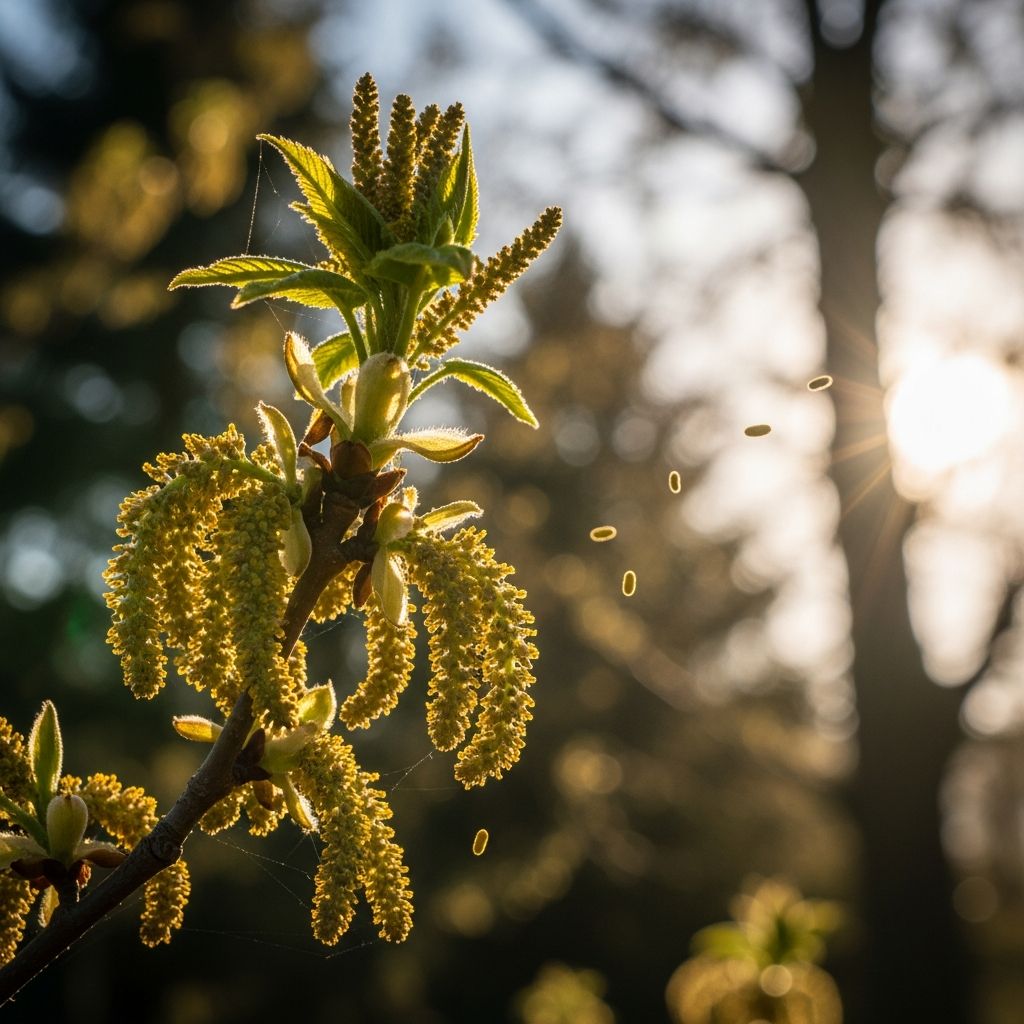
Tree pollen allergies affect millions annually, primarily during spring when trees release fine grains into the air for reproduction. These lightweight particles travel on wind currents, entering respiratory systems and triggering immune responses in sensitive individuals. Unlike cold symptoms, these reactions stem from the body’s mistaken identification of pollen proteins as threats, leading to histamine release and inflammation.
Mechanisms Behind Tree Pollen Reactions
The immune system in allergic people produces antibodies against specific tree pollen proteins upon first exposure. Subsequent encounters prompt rapid chemical releases, causing localized inflammation in nasal passages, eyes, and throats. This process, known as sensitization, varies by individual genetics and environmental exposure. Research highlights molecular allergens in orders like Fagales and Pinales, including Betula (birch) profilins and plane tree polygalacturonases, which bind IgE antibodies effectively. Climate shifts have prolonged these seasons, intensifying exposure in urban areas.
Recognizing Common Symptoms
Symptoms mimic viral infections but persist without fever. Key indicators include:
- Frequent sneezing bouts, especially mornings
- Persistent runny or stuffy nose with clear mucus
- Itchy sensations in nose, eyes, ears, mouth, and throat
- Watery, red, or swollen eyes (allergic conjunctivitis)
- Headaches, fatigue, and irritability from disrupted sleep
- Coughing or postnasal drip leading to sore throat
For those with asthma, tree pollen inhalation irritates airways, potentially sparking wheezing or shortness of breath. Symptoms peak 10-60 minutes post-exposure and may last hours.
Major Trees Responsible for Allergies
Not all trees produce allergenic pollen equally. Wind-pollinated species release vast quantities, while insect-pollinated ones generate less. Here’s a table of prevalent culprits:
| Tree Type | Peak Season | Regions Affected | Notable Traits |
|---|---|---|---|
| Alder | Early spring (Feb-Mar) | Northern US, Europe | Major early-season trigger |
| Birch | Mid-spring (Apr-May) | Widespread, esp. North | High allergenicity, cross-reacts with fruits |
| Oak | Spring (Mar-May) | Everywhere | Yellowish-green pollen powder |
| Cedar (Ashe Juniper) | Winter (Dec-Feb) | Southwest US | Causes ‘Cedar Fever’ |
| Pecan | Spring | Southeast, Midwest | Potent pollen grains |
| Pine | Spring | Various | Large yellow pollen, lower potency |
| Sycamore, Elm, Mulberry | Spring-Summer | Multiple | Regional spikes |
Conifers contribute yellow dust visible on surfaces, though pine rarely causes severe reactions. Acacia, olive, and plane trees pose issues in warmer climates.
Seasonal and Regional Patterns
Tree blooming aligns with local climates: Northeast sees birch and maple in April; Southwest battles cedar winter peaks; California faces olive in April-May. Pollen counts surge on warm, windy days post-rain, declining in humidity. Apps and stations report levels: low (<50 grains/m³), moderate (50-500), high (>500). Recent data shows extended seasons due to warmer temperatures, with counts rising 20-30% in some areas. Urban tree planting amplifies local concentrations.
Distinguishing from Other Allergies
Tree pollen differs from nut allergies: pollen affects airways non-fatally, while nuts risk anaphylaxis via ingestion. Oral allergy syndrome links birch pollen to fruit/veg reactions (e.g., apples), from shared proteins. Grass/weed pollen overlaps in late spring/summer, but early-year onset points to trees. Testing clarifies triggers.
Diagnostic Approaches
Skin prick tests expose skin to pollen extracts, measuring wheals within 15-20 minutes. Blood tests detect IgE levels for specific trees. Year-round availability suits severe cases. Consult allergists for personalized panels covering regional trees.
Practical Management Techniques
Minimize exposure:
- Monitor daily pollen forecasts via weather apps
- Stay indoors 5-10 AM and windy evenings
- Use HEPA air purifiers and keep windows shut
- Shower post-outdoors to rinse pollen from hair/skin
- Wear wraparound sunglasses; use saline nasal rinses
- Dry laundry indoors to avoid pollen capture
Over-the-counter aids include antihistamines (loratadine), nasal corticosteroids (fluticasone), and eye drops. Immunotherapy builds tolerance via shots or tablets over 3-5 years.
Advanced Interventions
For uncontrolled symptoms, sublingual tablets target birch or grass mixes. Biologics like omalizumab suit asthmatics. Lifestyle tweaks, such as vacationing low-pollen zones, provide temporary relief.
Frequently Asked Questions (FAQs)
Can pine trees really cause allergies?
Yes, though less potently; their large yellow pollen irritates mildly, and pine nuts pose separate food risks.
Does climate change worsen tree pollen allergies?
Absolutely—warmer temps extend seasons and boost counts, per recent studies.
Are tree pollen allergies linked to food reactions?
Often, via cross-reactivity; birch pollen sensitizes to apples, cherries.
How do I know if it’s tree pollen or a cold?
Allergies lack fever, persist longer, and itch; colds resolve in 7-10 days.
Is allergy testing safe for children?
Yes, skin/blood tests are standard from age 2-3, guiding early management.
Long-Term Outlook and Prevention
Early intervention prevents asthma progression. Track symptoms in a journal alongside counts for patterns. Community efforts like diverse urban plantings reduce monoculture pollen loads. With consistent strategies, most manage symptoms effectively, enjoying springs fully.
References
- Tree Pollen – Allergy & Asthma Network — Allergy & Asthma Network. 2023. https://allergyasthmanetwork.org/allergies/pollen-allergy/what-is-tree-pollen-allergy/
- Tree Pollen Allergy | Symptoms, Causes & Testing — Rite Aid. 2024. https://riteaid.com/health/tree-pollen-allergy
- Tree pollen allergens—an update from a molecular perspective — PMC (NCBI). 2016-10-25. https://pmc.ncbi.nlm.nih.gov/articles/PMC5102629/
- Tree Pollen Allergy Symptoms and Types — ZYRTEC. 2024. https://www.zyrtec.com/allergy-guide/understanding-allergies/types/tree-pollen-guide
- Understanding Tree Allergies: Symptoms and Treatments — HYCOR Biomedical. 2023. https://www.hycorbiomedical.com/post/understanding-tree-allergies-symptoms-and-treatments
- Tree Pollen Allergy: Types, Symptoms, Treatment — Kleenex US. 2024. https://www.kleenex.com/en-us/tips-advice/allergies/tree-pollen-guide
- Pollen Allergy: Causes, Symptoms & Treatment — Cleveland Clinic. 2023-05-04. https://my.clevelandclinic.org/health/diseases/pollen-allergy

Medha Deb is an editor with a master's degree in Applied Linguistics from the University of Hyderabad. She believes that her qualification has helped her develop a deep understanding of language and its application in various contexts. Medha specializes in the areas of beauty, health, sports, and wellness and is committed to ensuring that the content on the website is…