
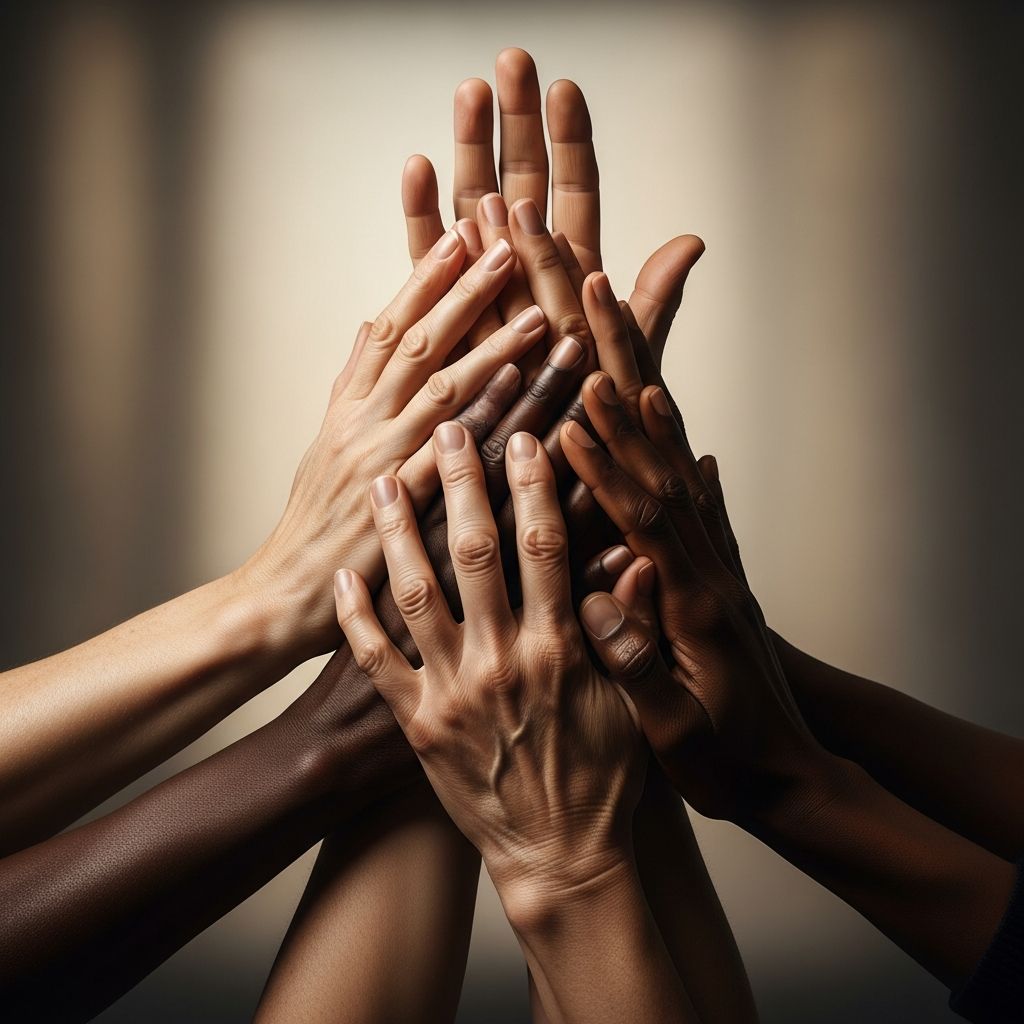
Defining Skin Tone-Based Discrimination
Discrimination based on skin tone represents a distinct and pervasive form of social prejudice that operates differently from broader racial discrimination. This phenomenon, commonly referred to as colorism, involves the systemic marginalization of individuals with darker skin tones while simultaneously privileging those with lighter complexions. The practice manifests as bias and unfair treatment rooted in the perceived value assigned to different skin tones, often creating hierarchies within communities that share the same racial or ethnic background.
The term itself gained prominence through the work of scholars and activists who recognized that racism alone could not fully explain the discrimination experienced by darker-skinned members within their own communities. Alice Walker, a prominent writer and advocate, helped define this concept as “the preferential or prejudicial treatment of same-race people based solely on their color,” highlighting how this form of oppression operates distinctly from traditional racial discrimination.
Core Distinctions Between Colorism and Racism
While colorism and racism are frequently conflated, they represent distinct yet interconnected forms of social oppression. Understanding the differences between these two phenomena is essential for addressing the specific harms each creates.
Racism operates as discrimination, hatred, or violence directed at people based on their perceived race, ethnicity, national origin, or related characteristics. It functions as a between-group dynamic, where one racial group systematically oppresses another through institutional and interpersonal mechanisms. Racism seeks to establish dominance of one race over others, often justifying this hierarchy through pseudo-scientific or cultural arguments.
Colorism, by contrast, functions primarily as an intra-group phenomenon—discrimination that occurs within communities sharing the same racial or ethnic identity. While racism can certainly fuel colorism, the two are not synonymous. A crucial distinction lies in the mechanism of harm: racism oppresses based on racial category membership, while colorism stratifies individuals within their own racial group based on skin tone variations and related phenotypic characteristics such as hair texture, facial features, and body shape.
However, colorism frequently incorporates and reinforces racist hierarchies. Many colorist ideologies privilege lighter skin specifically because they associate lighter complexions with whiteness and European features—values deeply embedded in white supremacist beauty standards and colonial power structures. This overlap means that while colorism and racism are technically distinct, they often reinforce one another, creating compounded disadvantages for darker-skinned people of color.
Historical Foundations and Colonial Legacies
The origins of colorism extend across multiple continents and historical periods, but colonial expansion played a defining role in establishing and spreading these discriminatory hierarchies globally. Understanding these historical roots illuminates why colorism persists with such intensity in contemporary societies.
In many Asian communities, historical class systems created color-based hierarchies long before direct European colonization. In these contexts, lighter skin became associated with higher social status because individuals who could afford to remain indoors—avoiding agricultural labor and sun exposure—developed lighter complexions. This correlation between pale skin and leisure class status embedded associations between skin tone and wealth, privilege, and social position that persisted across generations.
European colonialism and the transatlantic slave trade fundamentally transformed colorism in the Americas. Colonial systems explicitly created racial hierarchies with Europeans at the apex, and these systems extended to establishing gradations within enslaved and colonized populations based on skin tone. Mixed-race individuals with lighter complexions often received marginally better treatment, more access to education or skilled positions, and greater proximity to power structures than their darker-skinned counterparts. These colonial-era advantages created lasting psychological and economic disparities that have never been fully dismantled.
The legacy of slavery and colonialism established enduring associations between lightness and worthiness, intelligence, beauty, and moral virtue—and conversely, between darkness and inferiority, criminality, and undesirability. These associations became internalized across generations, creating self-perpetuating systems where communities of color themselves adopted and perpetuated the very hierarchies used to oppress them.
How Colorism Manifests Across Communities
While colorism has global dimensions, it takes specific and recognizable forms within different communities. In the United States, colorism operates most visibly within African American, Latino, and Asian American communities, though its effects extend across all communities of color.
Within African American communities: Colorism has created persistent divisions based on skin tone gradations. Light-skinned African Americans have historically enjoyed advantages in employment, educational access, social networks, and romantic desirability compared to their darker-skinned counterparts. These advantages extend to income disparities, with research showing that lighter-skinned Black Americans earn more on average than darker-skinned Black Americans in comparable positions. Darker-skinned individuals face stereotyping, reduced opportunity, and social marginalization even within predominantly Black spaces such as churches, social organizations, and cultural institutions.
Within Latino communities: The hierarchical valuation of lighter skin manifests through preferences in media representation, casting, and social advancement. Lighter-skinned Latino individuals receive greater visibility in entertainment and marketing, while darker-skinned Latinos—particularly those with more African or indigenous ancestry markers—face discrimination in employment, education, and social contexts. These patterns reflect the complex racial histories of Latin American societies, where colonial-era caste systems created skin tone gradations as official social categories.
Within Asian American communities: Colorism appears through beauty standards that privilege pale skin and Western features, reinforced by cosmetic industries, entertainment media, and dating cultures. Skin-lightening products remain popular across many Asian markets, and darker complexions face stigmatization despite representing natural variation within Asian populations. This manifests in workplace discrimination, reduced romantic prospects, and internalized shame about one’s natural appearance.
Importantly, colorism extends beyond these communities. Some white people practice skin-tone discrimination, and colorism can operate across racial lines, where lighter-skinned people of color receive preferential treatment from white gatekeepers and institutions compared to darker-skinned people of color.
Mechanisms and Manifestations in Daily Life
Colorism operates through both subtle and overt mechanisms that restrict opportunities and shape self-perception for those affected. These manifestations penetrate virtually every domain of social life.
Employment and Economic Opportunity: Colorism directly impacts hiring decisions, promotions, and workplace treatment. Employers often unconsciously or consciously favor lighter-skinned candidates, particularly for customer-facing positions or roles with high social visibility. This discrimination translates into measurable wage gaps, with darker-skinned individuals earning less for identical work compared to lighter-skinned counterparts with equivalent qualifications.
Educational Access and Treatment: Within educational settings, colorism influences teacher perceptions, disciplinary outcomes, and academic expectations. Darker-skinned students often experience harsher discipline, lower academic expectations, and reduced access to advanced educational programs. These disparities begin in elementary school and compound throughout educational trajectories, affecting college admission and future earnings potential.
Media Representation and Beauty Standards: Entertainment, advertising, and social media disproportionately feature lighter-skinned individuals as desirable, successful, and worthy of celebration. This skewed representation creates psychological impacts for darker-skinned individuals who see themselves absent from positive imagery and relegated to stereotypical roles. The resulting internalization of beauty standards contributes to mental health challenges, including depression, anxiety, and body dysmorphia.
Romantic and Social Desirability: Colorism significantly impacts romantic prospects and social belonging. Dating preferences often explicitly or implicitly exclude darker-skinned individuals, and social networks frequently organize around skin tone hierarchies. Darker-skinned individuals report experiencing rejection, fetishization, or tokenization in social and romantic contexts.
Health and Healthcare Access: Colorism-driven discrimination in healthcare settings leads to differential treatment, reduced trust in medical providers, and delayed care-seeking. Darker-skinned patients report experiencing skepticism about their reported symptoms and receiving less aggressive treatment compared to lighter-skinned patients presenting identical conditions.
Psychological and Identity Effects
The persistent experience of colorist discrimination creates profound psychological consequences that extend beyond material disadvantages. Individuals subject to skin tone-based discrimination often internalize negative messages about their worthiness and develop complicated relationships with their identity and appearance.
Many darker-skinned individuals develop what scholars term “internalized colorism”—the acceptance and perpetuation of skin tone hierarchies within their own consciousness. This manifests as self-directed prejudice, where individuals express dislike for their own skin tone, hair texture, or facial features that deviate from lighter-skinned beauty standards. Some individuals pursue skin-lightening practices—including dangerous chemical treatments, dangerous injectable substances, or surgical interventions—in attempts to conform to colorist beauty ideals.
The psychological toll extends to family dynamics, where parental preferences for lighter-skinned children create sibling resentment and differential treatment. These family-level colorist hierarchies shape children’s self-esteem and contribute to long-term mental health disparities.
Conversely, lighter-skinned individuals of color may experience guilt, confusion about their identity, or pressure to deny the advantages they receive due to their skin tone. Some experience rejection from darker-skinned community members who perceive them as having “benefited from the system” or as insufficiently connected to community struggles.
Colorism Across Geographic and Cultural Contexts
While this analysis has centered on the American context, colorism operates globally with region-specific characteristics. The skin-lightening industry generates billions annually across Asia, Africa, Latin America, and the Middle East, indicating the widespread nature of skin tone hierarchies worldwide.
In many Caribbean societies, colorism persists as a direct legacy of plantation slavery and colonial caste systems. In African nations, colorism intersects with ethnic hierarchies and post-colonial power structures. In India and Pakistan, skin tone discrimination influences marriage prospects, employment opportunities, and social status through explicit preferences for “fair” complexions. In Brazil, colorism creates complicated racial categories where individuals with identical ancestry receive different treatment based on skin tone and other phenotypic markers.
Distinguishing Colorism from Related Phenomena
While colorism shares characteristics with other forms of discrimination, it merits distinct analysis and intervention strategies. Colorism differs from straightforward racism by targeting variation within racial groups rather than between them. It differs from sexism, though it frequently intersects with gendered beauty standards that disproportionately burden women of color.
Colorism also extends beyond simple preference or aesthetic choice. Because skin tone hierarchies connect to material resource distribution—determining who receives employment, educational access, healthcare, and other life opportunities—colorism functions as a system of oppression with concrete structural consequences, not merely as individual preference.
Frequently Asked Questions About Colorism
Q: Is colorism the same as racism?
A: No. While related, they are distinct phenomena. Racism involves discrimination between racial groups, while colorism involves discrimination within racial groups based on skin tone variations. Both can reinforce each other, but they operate through different mechanisms and require different interventions.
Q: Does colorism only affect Black people?
A: No. Colorism affects African American, Latino, Asian American, South Asian, Middle Eastern, and other communities of color. While the specific manifestations vary by cultural context, the pattern of privileging lighter skin tones and marginalizing darker-skinned individuals appears across many societies worldwide.
Q: Can white people experience colorism?
A: While some white people practice skin-tone discrimination among themselves, the term colorism typically refers to discrimination within communities of color based on colonial legacies that associate darkness with inferiority. White people may experience tanning preferences or other skin tone preferences, but these do not typically carry the same systemic consequences as colorism experienced by people of color.
Q: How does colorism affect mental health?
A: Exposure to colorist discrimination contributes to depression, anxiety, low self-esteem, and body dysmorphia, particularly among darker-skinned individuals who internalize negative messages about their appearance. The effects begin in childhood and can persist throughout the lifespan, affecting academic performance, relationship formation, and overall wellbeing.
Q: What can individuals do to combat colorism?
A: Personal action includes examining and challenging your own colorist biases, supporting media and businesses that feature diverse skin tones, speaking up when witnessing colorist discrimination, and refusing to participate in skin tone hierarchies. Supporting darker-skinned entrepreneurs, creators, and professionals actively counters systemic colorism.
Q: Is colorism addressed in schools and workplaces?
A: Colorism remains largely unaddressed in most educational and workplace settings, despite clear evidence of its discriminatory effects. Growing awareness has led some institutions to develop colorism-specific training and policies, but comprehensive institutional responses remain uncommon in most sectors.
References
- Merriam-Webster Dictionary: Colorism — Merriam-Webster. Accessed April 2026. https://www.merriam-webster.com/dictionary/colorism
- What Is Colorism? — WebMD. Accessed April 2026. https://www.webmd.com/mental-health/what-is-colorism
- Colorism Definitions — Dr. Sarah L. Webb, ColorismHealing.com. 2021. https://colorismhealing.com/colorism-definitions/
- Discrimination based on skin tone — Wikipedia. Accessed April 2026. https://en.wikipedia.org/wiki/Discrimination_based_on_skin_tone
- Cambridge English Dictionary: Colorism — Cambridge University Press. Accessed April 2026. https://dictionary.cambridge.org/us/dictionary/english/colorism

- Integrated M.A. in Applied Linguistics, University of Hyderabad
- 5+ years in editorial, instructional, SEO, and research-based writing
Sneha is a relationships and lifestyle writer with a strong foundation in applied linguistics and certified training in relationship coaching. She brings over five years of writing experience to theskillvault, crafting thoughtful, research-driven content that empowers readers to build healthier relationships, boost emotional well-being, and embrace holistic living. Her writing and insights reflect the belief that beauty, happiness, and wellness…