
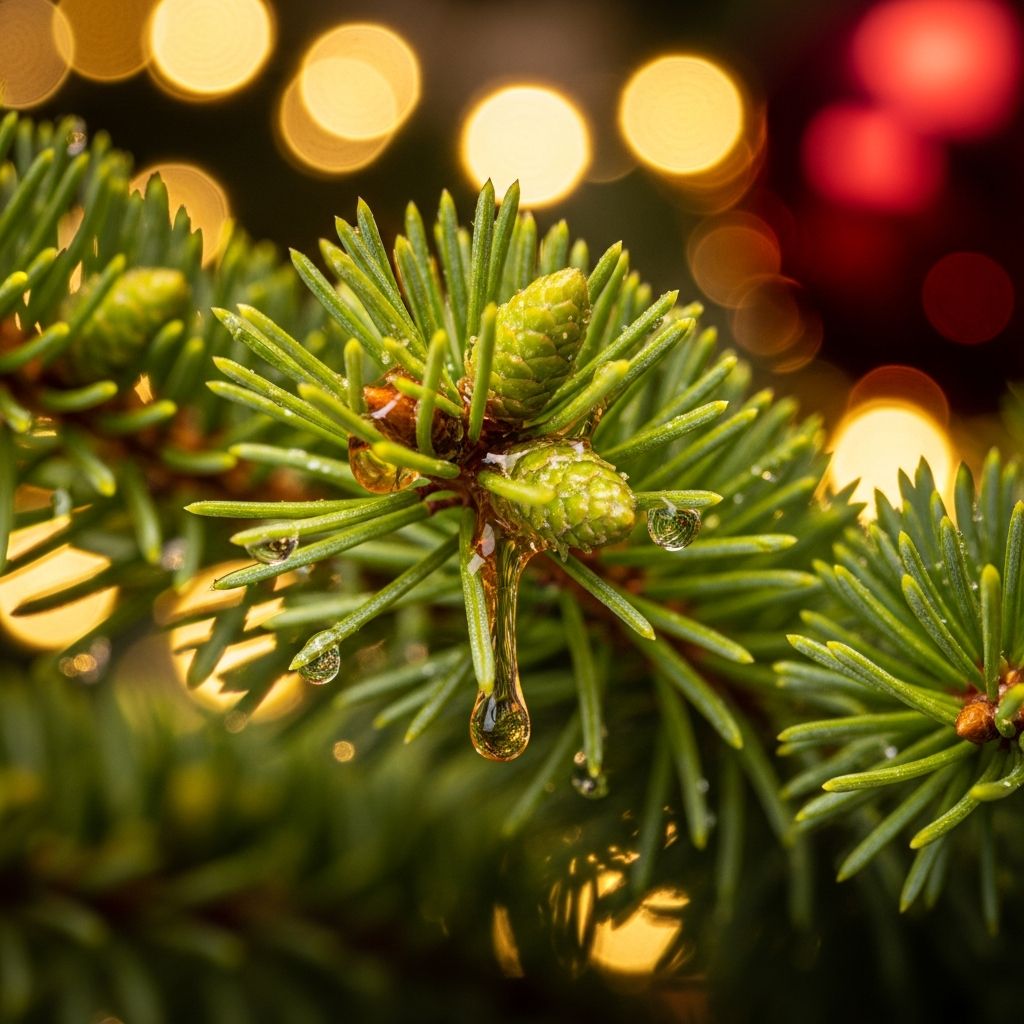
The distinctive fragrance of a fresh Christmas tree fills homes with warmth and festivity each holiday season. This iconic scent, often described as woody, fresh, and invigorating, stems from natural compounds in evergreen needles and resin, creating an sensory experience deeply tied to joy and tradition.
Unlocking the Chemistry: Terpenes as the Star Ingredient
At the heart of every Christmas tree’s allure lies a group of organic molecules known as **terpenes**. These volatile compounds are produced by coniferous trees like pines, firs, and spruces, primarily within their resin—a sticky substance that serves as a natural defense mechanism. Resin oozes from wounds or bark, sealing injuries and repelling insects, fungi, and pathogens with its antimicrobial properties.
Terpenes evaporate easily into the air, especially when trees are cut or exposed to warmth, releasing that signature piney bouquet. In summer forests, elevated temperatures prompt even higher terpene emissions, helping trees regulate local atmospheres by promoting cloud formation and cooling effects. Common terpenes include **alpha-pinene**, which lends a sharp, resinous note, and **limonene**, adding citrus undertones reminiscent of fresh lemons.
Different species boast unique terpene profiles, influencing their scents. For instance, North American pines share terpenes with parsley family plants, yielding grassy hints, while Ponderosa pines feature sweet notes akin to turpentine. This chemical diversity ensures no two trees smell exactly alike, enhancing the personalized charm of holiday selections.
Evergreen Varieties and Their Signature Scents
Choosing a Christmas tree involves more than shape and needle retention; fragrance plays a pivotal role. Here’s a breakdown of popular species and their olfactory signatures:
- Scotch Pine: Often hailed for its classic holiday essence, this variety offers a dry, balsamic aroma with herbal, fresh, and grassy layers. Its bold scent evokes wild forests and traditional colognes.
- Douglas Fir: Earthy and slightly sweet, with citrus-like overtones that brighten living spaces. This versatile tree balances familiarity with subtle complexity.
- Fraser Fir: Delivers a robust, enduring pine fragrance from its dense blue-green needles. Grown in North Carolina’s Appalachian soils, it provides soft-touch foliage and strong branches for ornaments.
- Noble Fir: Features a milder pine scent from spiraling green needles. Its sturdy branches and lush profile make it ideal for heavy decorations while maintaining a subtle freshness.
Surveys confirm scent as the top reason for selecting real trees, outranking tradition or family fun. Over 80% of enthusiasts describe it as ‘soothing’ and the ‘unmistakeable smell of Christmas,’ surpassing even cookies or cinnamon.
| Tree Species | Primary Scent Notes | Needle Retention | Best For |
|---|---|---|---|
| Scotch Pine | Herbal, grassy, balsamic | Moderate | Classic bold aroma |
| Douglas Fir | Earthy, sweet, citrus | Good | Balanced freshness |
| Fraser Fir | Strong pine | Excellent | Long-lasting display |
| Noble Fir | Mild pine | Excellent | Heavy ornaments |
The Psychological Power: Why the Scent Feels Like Magic
Beyond chemistry, the Christmas tree aroma wields profound emotional influence. Inhaling pine terpenes doesn’t just refresh the air—it triggers instant mood elevation through the brain’s olfactory system. Scents bypass conscious thought, landing directly in the amygdala-hippocampal complex, the hub for emotions and memories.
Experts like psychologist Rachel Herz explain that aromatherapy’s true potency lies in personal associations, not pharmacological effects. A whiff of pine might evoke childhood tree-trimming, snowy hikes, or family gatherings, fostering joy subconsciously before nostalgic reflections surface. This explains why pine scents in holiday wreaths uplift, while the same compounds in floor cleaners might not—context shapes perception profoundly.
Real tree advocates note that 77% believe nothing replicates this natural perfume, with 52% of past users returning for the scent alone. Even artificial tree owners seek evergreen sprays to recapture it.
Health and Wellness Benefits of Evergreen Aromas
Terpenes offer more than festive cheer; they contribute to well-being. Alpha-pinene and limonene exhibit antimicrobial qualities, mirroring resin’s protective role in trees. Inhaling them may ease respiratory issues and reduce stress, as wellness brands promote ‘refreshing’ pine oils.
Forests rich in terpenes create ‘phytoncide’ atmospheres—natural aerosols that lower cortisol and boost immunity, per Japanese ‘forest bathing’ studies. While home trees provide milder doses, they similarly promote calm amid holiday bustle. Always ensure good ventilation to avoid overexposure, especially for allergy sufferers.
Maintaining the Freshness: Tips for Lasting Holiday Fragrance
To savor that captivating aroma through New Year’s, follow these strategies:
- Water Daily: Use a tree stand reservoir; fresh cuts drink up to a gallon daily, keeping needles supple and terpenes flowing.
- Trim the Trunk: Remove 1-2 inches before setup to expose thirsty xylem tissue.
- Optimal Location: Place away from heat sources like fireplaces or vents to slow terpene evaporation and needle drop.
- Boost with Nature: Add citrus peels or pinecones nearby for complementary scents.
- Monitor Freshness: Gently bend branches; brittle ones signal waning vitality and fading fragrance.
These steps extend tree life by weeks, maximizing both visual appeal and olfactory delight.
Artificial vs. Real: Comparing the Christmas Tree Experience
While artificial trees offer convenience, they can’t match real ones’ dynamic scent evolution—from initial burst to subtle linger. Scented candles or sprays approximate but lack terpenes’ volatility and authenticity. Surveys show 40% switching to real trees cite fragrance as the draw.
For eco-conscious families, sustainably farmed real trees provide carbon sinks during growth and recyclable remains post-holidays, blending sensory joy with responsibility.
Frequently Asked Questions (FAQs)
Why do some Christmas trees smell stronger than others?
Scent intensity varies by species, freshness at cutting, and terpene content. Fraser Firs often rank highest for persistence.
Can the pine scent cause allergies?
Terpenes are generally mild, but mold on older trees or pollen can trigger reactions. Choose fresh trees and ventilate.
How long does a real tree’s smell last?
With proper care, 4-6 weeks, peaking in the first two.
Are there non-toxic ways to enhance tree scent?
Yes—lemon juice in water or nearby evergreen boughs amplify naturally without chemicals.
Do artificial trees with scents match real ones?
They mimic top notes but lack depth and evolution of natural terpenes.
Preserving Tradition in a Modern World
The Christmas tree’s aroma transcends mere decoration, weaving chemistry, memory, and culture into an annual ritual. Whether Scotch pine’s bold herbaceous punch or Noble Fir’s gentle whisper, each variety invites us to pause, inhale, and reconnect with holiday magic. As surveys affirm, this scent remains the season’s most cherished sensory gift—irreplaceable, uplifting, and profoundly human.
References
- Why Christmas Trees Smell So Good — Here By Design. 2023. https://herebydesign.net/why-christmas-trees-smell-so-good/
- Why We Love Christmas Trees: The Scent That Brings Us Home — Pet Odor Solution. 2023. https://www.petodorsolution.com/why-we-love-christmas-trees-the-scent-that-brings-us-home/
- Why smelling a pine tree can instantly lift your mood — Popular Science. 2023-12-20. https://www.popsci.com/science/why-christmas-trees-smell-good/
- Real Christmas Trees: The Smell of Joy — Real Christmas Tree Board. 2023. https://realchristmastreeboard.com/articles/real-christmas-trees-the-smell-of-joy/
- The Aroma of Fresh Christmas Trees — Calloway’s Nursery. 2023. https://www.calloways.com/blog/the-aroma-of-fresh-christmas-trees/

Medha Deb is an editor with a master's degree in Applied Linguistics from the University of Hyderabad. She believes that her qualification has helped her develop a deep understanding of language and its application in various contexts. Medha specializes in the areas of beauty, health, sports, and wellness and is committed to ensuring that the content on the website is…