
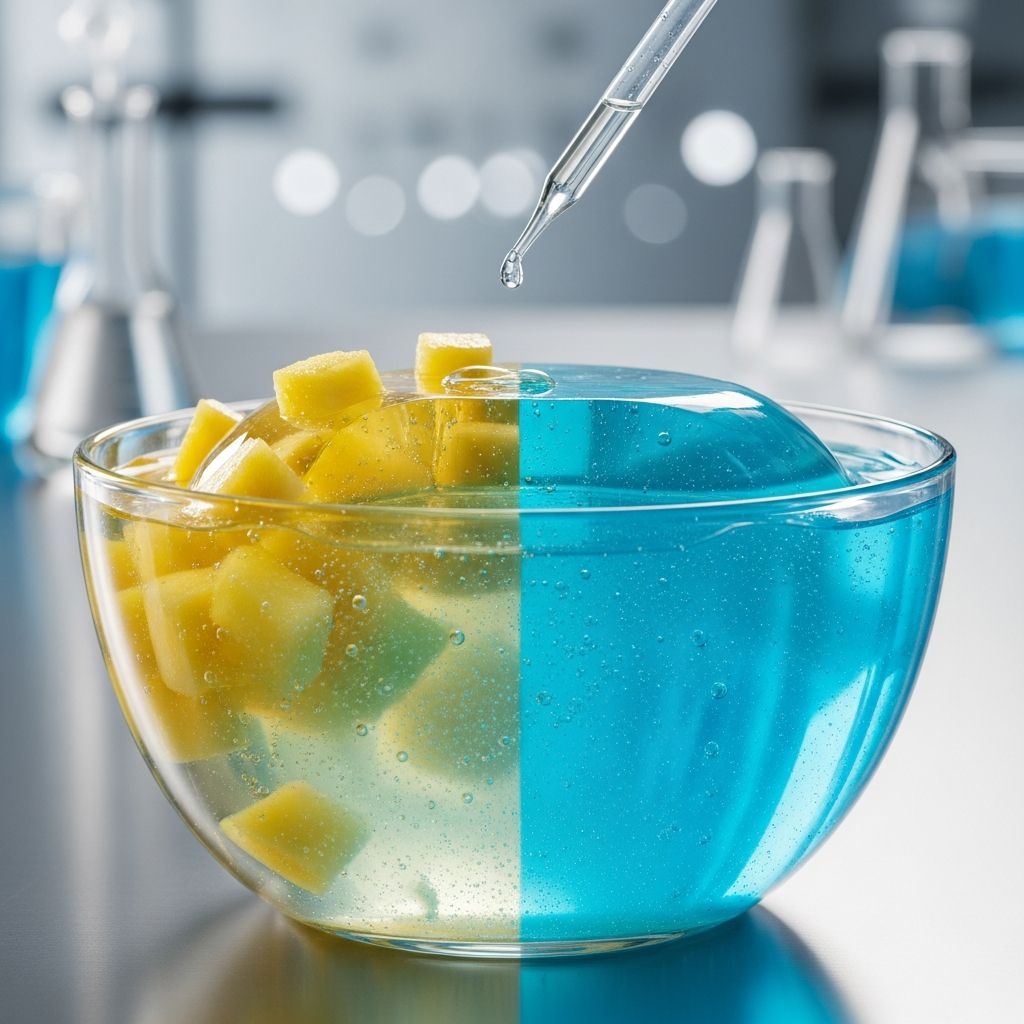
Understanding the Chemistry of Gelatin Desserts
Gelatin desserts have been a staple of home cooking and entertaining for generations, offering a simple yet elegant way to create visually appealing treats. However, many home cooks encounter a frustrating problem when attempting to incorporate fresh pineapple into their gelatin recipes: the dessert refuses to set, remaining disappointingly liquid instead of achieving the characteristic jiggly-yet-solid texture expected from a properly prepared gelatin mold.
To understand why this occurs, it is essential to first comprehend what gelatin is and how it functions as a gelling agent. Gelatin is not a naturally occurring substance found in the environment; rather, it is manufactured through a chemical transformation process. The raw material for gelatin is collagen, a fibrous protein abundant in animal connective tissues, including bones, hides, and hooves. When these animal tissues undergo treatment with either acidic or alkaline solutions, the tightly wound protein chains that compose collagen unwind and reorganize themselves, ultimately forming the three-dimensional structure characteristic of gelatin.
The Molecular Structure of Gelatin and Its Setting Process
When you dissolve gelatin in hot water, the protein molecules separate and disperse throughout the liquid. As the temperature drops, these protein molecules begin to interact with one another, forming an intricate network structure. This network acts like a microscopic sponge, trapping water molecules within its matrix and transforming the liquid into a semi-solid state. The result is the distinctive texture of gelatin desserts—firm enough to hold its shape, yet soft and jiggly due to the high water content held within the protein network.
This setting process is entirely dependent on the integrity of the gelatin protein molecules. Any disruption to these molecules prevents them from forming the necessary network structure, resulting in a dessert that remains liquid regardless of refrigeration time or temperature.
The Enzyme Problem: How Proteases Break Down Gelatin
Fresh pineapple, along with several other tropical and subtropical fruits, contains a group of naturally occurring enzymes known as proteases, or more specifically, proteolytic enzymes. These biological catalysts have evolved within the fruit as part of the plant’s natural processes, but they create significant complications when introduced into gelatin preparations.
The primary proteolytic enzyme found in fresh pineapple is called bromelain. This enzyme has a specialized biological function: it breaks down protein molecules by cleaving the chemical bonds that hold amino acids together, effectively fragmenting larger protein structures into progressively smaller pieces. When bromelain encounters gelatin, it does exactly what it evolved to do—it attacks the protein molecules and dismantles them into components too small to form the interconnected network necessary for gelation.
The effect is remarkably efficient. Even a small quantity of fresh pineapple contains sufficient bromelain enzyme activity to prevent an entire batch of gelatin from setting properly. This is why many gelatin packages display warning labels advising consumers against adding fresh pineapple to their recipes.
Other Fruits That Cause Gelatin to Fail
Pineapple is not unique in its protein-degrading properties. Several other fruits contain proteolytic enzymes with similar effects on gelatin:
- Kiwi fruit contains an enzyme called actinidin, which breaks down proteins in much the same manner as bromelain
- Papaya contains papain, another proteolytic enzyme capable of destroying gelatin structure
- Mango contains proteases that can interfere with gelatin setting, though typically with less dramatic results than pineapple or kiwi
- Guava exhibits similar enzymatic activity that may affect gelatin preparation
The common thread connecting these fruits is their tropical origin. These fruits evolved with proteolytic enzymes as part of their natural biological processes, possibly related to seed dispersal or plant defense mechanisms.
Why Canned Pineapple Works Differently
One of the most helpful discoveries for home cooks is that canned pineapple does not cause gelatin to fail. This apparent paradox has a straightforward scientific explanation rooted in food processing methods.
The commercial canning process involves subjecting fruits to high temperatures as part of the pasteurization procedure. This heating process serves two critical purposes: it eliminates bacterial contamination that could cause spoilage, and simultaneously, it denatures the proteolytic enzymes present in the fruit. Denaturing refers to the process by which heat disrupts the three-dimensional structure of protein molecules, including enzymes. Once an enzyme’s structure is damaged by heat, it loses its catalytic ability and can no longer break down other proteins.
Therefore, canned pineapple retains the fruit’s flavor and nutritional profile but lacks the active enzyme activity that makes fresh pineapple problematic in gelatin recipes. This is why recipes explicitly warn against fresh pineapple while remaining silent about canned varieties.
Alternative Solutions and Workarounds
Understanding the science behind this problem has led to several practical solutions for cooks who wish to incorporate pineapple into their gelatin desserts:
Heat Treatment Method
If fresh pineapple is desired for flavor or other reasons, the fruit can be heated to a temperature high enough to denature the bromelain enzyme. Briefly cooking fresh pineapple before adding it to gelatin effectively neutralizes the enzyme activity, allowing the gelatin to set normally. This approach preserves the fresh fruit while eliminating the problematic enzyme.
The Unexpected Chili Pepper Solution
Scientific research has revealed an unusual but effective workaround: adding chili pepper to a gelatin mixture containing fresh pineapple can prevent gelatin failure. A chemical compound found in chili peppers, potentially capsaicin, appears to affect enzyme structure similarly to how heat does. While this method technically works, it introduces unexpected flavor elements that may not be desirable in a sweet dessert.
Juice and Broth Substitution
Some recipes suggest using pineapple juice rather than fresh fruit pieces. However, this approach is inconsistent—fresh pineapple juice still contains active bromelain enzyme and typically fails to produce satisfactory results. Only commercially processed pineapple juice, which has undergone heat treatment during manufacturing, reliably works in gelatin preparations.
The Dual Nature of Proteolytic Enzymes
While proteolytic enzymes create problems in gelatin dessert preparation, these same enzymes have valuable applications in other culinary contexts. For instance, fresh pineapple juice has long been used as a natural meat tenderizer. The bromelain enzyme breaks down the muscle proteins in meat, effectively softening tough cuts and improving texture. This same enzymatic action that ruins gelatin is precisely what makes pineapple useful for food preparation in different applications.
Understanding this duality helps cooks appreciate that enzymes are simply biological tools with multiple possible effects depending on context and application.
Frequently Asked Questions
Q: Can I use fresh pineapple juice in gelatin instead of the whole fruit?
A: Fresh pineapple juice contains active bromelain enzymes and will prevent gelatin from setting, just like whole fresh pineapple. Only commercially processed pineapple juice, which has been heat-treated during manufacturing, will work in gelatin recipes.
Q: If I cook fresh pineapple, how long should I heat it?
A: Brief heating (typically 5-10 minutes of gentle cooking) is usually sufficient to denature most of the bromelain enzyme. The exact time depends on the temperature and the amount of fruit, but even modest heating significantly reduces enzyme activity.
Q: Why do some fruits like apples and oranges work fine in gelatin?
A: Apples, oranges, and most other commonly used fruits do not contain significant quantities of proteolytic enzymes. They may contain other enzymes and compounds, but none that specifically attack gelatin protein structure in the way that bromelain, papain, and actinidin do.
Q: Is there a way to restore gelatin that has already failed to set?
A: Once bromelain has broken down the gelatin protein network, the damage is largely irreversible. Prevention through using canned pineapple or heating fresh fruit is more practical than attempting to salvage a failed batch.
Q: Do frozen pineapple pieces work in gelatin?
A: Commercially frozen pineapple typically undergoes heat treatment during the freezing process, inactivating the enzymes. However, home-frozen fresh pineapple would retain active enzymes and could potentially cause gelatin to fail.
Practical Tips for Perfect Gelatin Desserts
For those seeking to create reliable and consistent gelatin desserts, several straightforward guidelines emerge from understanding the underlying science:
- Always use canned or commercially processed pineapple in gelatin recipes unless you specifically heat fresh pineapple beforehand
- Be cautious with other tropical fruits like kiwi, papaya, and mango, which may also contain proteolytic enzymes
- If using fresh fruit, err on the side of caution and either heat it or select fruits known to be enzyme-free, such as apples, berries, citrus fruits, and stone fruits
- When experimenting with unusual fruits, consider researching their enzyme content or testing with a small batch before committing to a large preparation
- Remember that appearance can be deceiving—a fruit that looks like it should work might actually contain problematic enzymes
Conclusion: Science in the Kitchen
The relationship between pineapple and gelatin represents a fascinating intersection of molecular biology and culinary practice. What initially appears as a mysterious kitchen failure becomes comprehensible once the underlying enzymatic processes are understood. The proteolytic enzymes in fresh pineapple are not defects or contaminants—they are natural biological molecules with specific functions. That these same molecules prevent gelatin from achieving its characteristic texture is an elegant example of how understanding food science can transform kitchen troubleshooting into informed decision-making.
Whether choosing to use canned pineapple for convenience, heating fresh fruit for authenticity, or exploring alternative fruits entirely, home cooks armed with this knowledge can confidently create gelatin desserts that set properly and deliver the desired results.
References
- Why can’t I use fresh pineapple to make Jell-O? — McGill University, Office for Science and Society. 2017-03-20. https://www.mcgill.ca/oss/article/general-science-you-asked/why-cant-i-use-fresh-pineapple-make-jell-o
- What happens if you add Pineapple to Jelly (or Jell-O)? — Go Science Kids. https://gosciencekids.com
- Why does pineapple stop Jelly setting? – Kitchen Science for Kids — Science Sparks. https://www.science-sparks.com/jelly-will-it-set/

- Integrated M.A. in Applied Linguistics, University of Hyderabad
- 5+ years in editorial, instructional, SEO, and research-based writing
Sneha is a relationships and lifestyle writer with a strong foundation in applied linguistics and certified training in relationship coaching. She brings over five years of writing experience to theskillvault, crafting thoughtful, research-driven content that empowers readers to build healthier relationships, boost emotional well-being, and embrace holistic living. Her writing and insights reflect the belief that beauty, happiness, and wellness…