
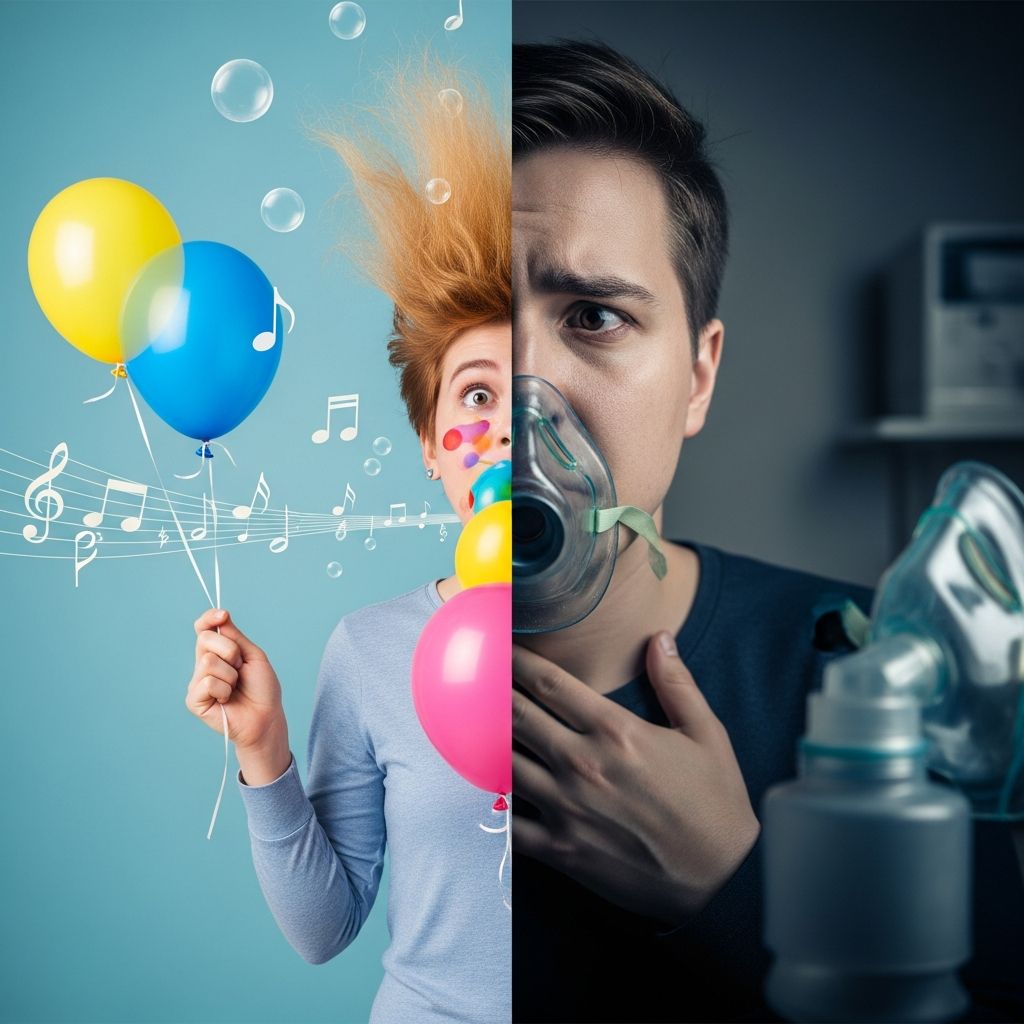
Helium, the lightweight gas famous for filling party balloons, has a quirky party trick: it makes your voice sound high-pitched and squeaky. This effect delights many at celebrations, but beneath the amusement lies a potential health threat. Inhaling helium deprives your body of oxygen, which can lead to dizziness, fainting, and in extreme cases, life-threatening complications.
The Science Behind Helium’s Voice-Changing Magic
The human voice is produced when air from the lungs vibrates the vocal cords, and the sound resonates in the throat, mouth, and nasal cavities. The pitch depends on the speed of sound waves through these spaces, which is influenced by the gas density. Air is about 78% nitrogen and 21% oxygen, making it relatively dense. Helium, however, is much lighter—about seven times less dense than air. When you inhale it, sound travels nearly three times faster through your vocal tract, raising the pitch of your voice dramatically, mimicking cartoon characters.
This change is temporary and reverses once you exhale helium and breathe normal air. Typically, a single breath from a small balloon suffices for the effect without immediate catastrophe. Yet, even brief exposure carries risks because helium actively displaces oxygen in your lungs.
How Oxygen Deprivation Occurs with Helium
Normal breathing involves an exchange in the lungs’ alveoli: oxygen enters the bloodstream, and carbon dioxide exits. Holding your breath slows this, but inhaling helium flips the process. Helium doesn’t bind like oxygen; instead, it dilutes lung gases, rapidly lowering oxygen levels in the blood. This hypoxia can onset within seconds, causing swift unconsciousness without warning.
- Rapid oxygen removal: Helium-filled lungs actively deplete blood oxygen during gas exchange.
- No warning symptoms initially: Unlike holding breath, where CO2 buildup prompts urgency, helium lacks CO2, delaying the urge to breathe.
- Threshold effects: At oxygen levels of 12-16%, symptoms like rapid breathing and fatigue appear; below 10%, fainting occurs; under 6%, seizures and death follow.
Studies show loss of consciousness can happen in 5-10 seconds from pure helium, with irreversible brain damage possible within a minute.
Immediate Effects and Warning Signs
A quick puff might yield lightheadedness or nausea, but severity escalates with volume or repetition. Common short-term reactions include:
| Symptom | Description | Severity Level |
|---|---|---|
| Dizziness/Lightheadedness | Feeling unsteady or euphoric | Mild |
| Nausea/Vomiting | Stomach upset from hypoxia | Mild-Moderate |
| Passing Out | Sudden unconsciousness from oxygen lack | Moderate-Severe |
| Irregular Heartbeat | Tachycardia as body compensates | Severe |
From pressurized tanks, risks amplify: high-pressure helium can trigger barotrauma, where lung tissue ruptures, causing internal bleeding or air embolisms—gas bubbles blocking blood vessels.
Statistics on Helium Inhalation Incidents
Data underscores the peril, especially for youth. Between 2000 and 2019, U.S. emergency departments logged 2,186 helium-related injuries, predominantly among boys aged 6-12. Many stemmed from balloons at parties, leading to falls from sudden fainting.
Fatalities, though rarer, are documented. Autopsies reveal ruptured alveoli from tank inhalation, drowning victims in their blood. Commercial systems heighten this danger due to pressure. Helium’s role in suicides has also risen, exploiting its painless hypoxia.
Why Tank Inhalation is Far Deadlier Than Balloons
Balloons offer diluted helium, often mixed with residual air, limiting intake. Tanks deliver pure, pressurized gas, flooding lungs rapidly. Engineering analyses of deaths show alveolar tears from overexpansion, rendering CPR futile.
Comparative Risks
- Balloon: Dizziness, fainting risk (low volume).
- Tank: Lung rupture, embolism, instant death (high pressure/volume).
Partygoers seeking prolonged high-pitched speech often repeat inhalations, chasing fleeting euphoria akin to inhalant abuse, escalating addiction and hypoxia risks.
Long-Term Consequences of Repeated Exposure
Beyond acute episodes, habitual inhalation harms. Chronic hypoxia stresses the brain, potentially causing cognitive deficits. Lung damage from barotrauma may lead to lasting respiratory issues. Vulnerable groups—children, asthmatics, or those with heart conditions—face amplified threats.
Medical literature notes helium’s inert nature makes it non-toxic chemically, but physical effects dominate: displacement asphyxia without irritation, unlike toxic gases.
Safety Guidelines to Prevent Tragedy
Experts unanimously advise against inhalation:
- Never inhale from tanks or regulators—fatal pressure risks.
- Limit balloon puffs to one, seated, with supervision.
- Store helium away from children; use only for filling.
- Educate on hypoxia: no safe amount exists.
- For events, opt for recorded effects or safe alternatives.
Industrial settings mandate oxygen monitors where helium displaces air.
Medical Response to Helium Incidents
If symptoms arise post-inhalation, act fast. Mild cases need fresh air and rest. Severe signs—chest pain, blue lips (cyanosis), seizures, or paralysis—demand immediate 911 call. Hospitals treat with oxygen therapy, monitoring for embolisms via imaging.
- Bluish skin/lips
- Coughing blood
- Weakness in limbs
- Loss of consciousness
Frequently Asked Questions (FAQs)
Is a single breath of helium from a balloon safe?
It’s low-risk for healthy adults but can cause dizziness or fainting. Children should avoid it entirely due to injury stats.
Can helium cause addiction?
Yes, its brief euphoric high prompts repeated use, heightening dangers like other inhalants.
How quickly can helium kill?
Pure helium from tanks can cause death in minutes via asphyxia or lung rupture; balloons less so but risky.
Why no urge to breathe with helium?
Helium lacks CO2; the drive to breathe stems from CO2 buildup, absent here.
Is helium used medically?
Yes, diluted in mixtures for lung tests or asthma relief, always with oxygen safeguards.
Alternatives to Inhaling Helium for Fun
Voice-altering apps, sulfur hexafluoride (deepens voice safely in demos), or professional recordings provide effects without risk. Prioritize safety over novelty.
In summary, helium’s allure masks profound hazards. Awareness saves lives—enjoy balloons visually, not vocally.
References
- Inhaling Helium: Is It Really That Dangerous? — Healthline. 2022-11-14. https://www.healthline.com/health/inhaling-helium
- Inhaling Helium: Party Fun or Deadly Menace? — CGAnet. Accessed 2026. https://www.cganet.com/inhaling-helium-party-fun-or-deadly-menace/
- Helium Safety Information — ANZIGA. 2022-06. https://www.anziga.org/wp-content/uploads/2022/06/Helium-Safety-Information.pdf
- Helium Suicide, a Rapid and Painless Asphyxia: Toxicological… — PMC (NCBI). 2022. https://pmc.ncbi.nlm.nih.gov/articles/PMC9412544/

- Integrated M.A. in Applied Linguistics, University of Hyderabad
- 5+ years in editorial, instructional, SEO, and research-based writing
Sneha is a relationships and lifestyle writer with a strong foundation in applied linguistics and certified training in relationship coaching. She brings over five years of writing experience to theskillvault, crafting thoughtful, research-driven content that empowers readers to build healthier relationships, boost emotional well-being, and embrace holistic living. Her writing and insights reflect the belief that beauty, happiness, and wellness…