
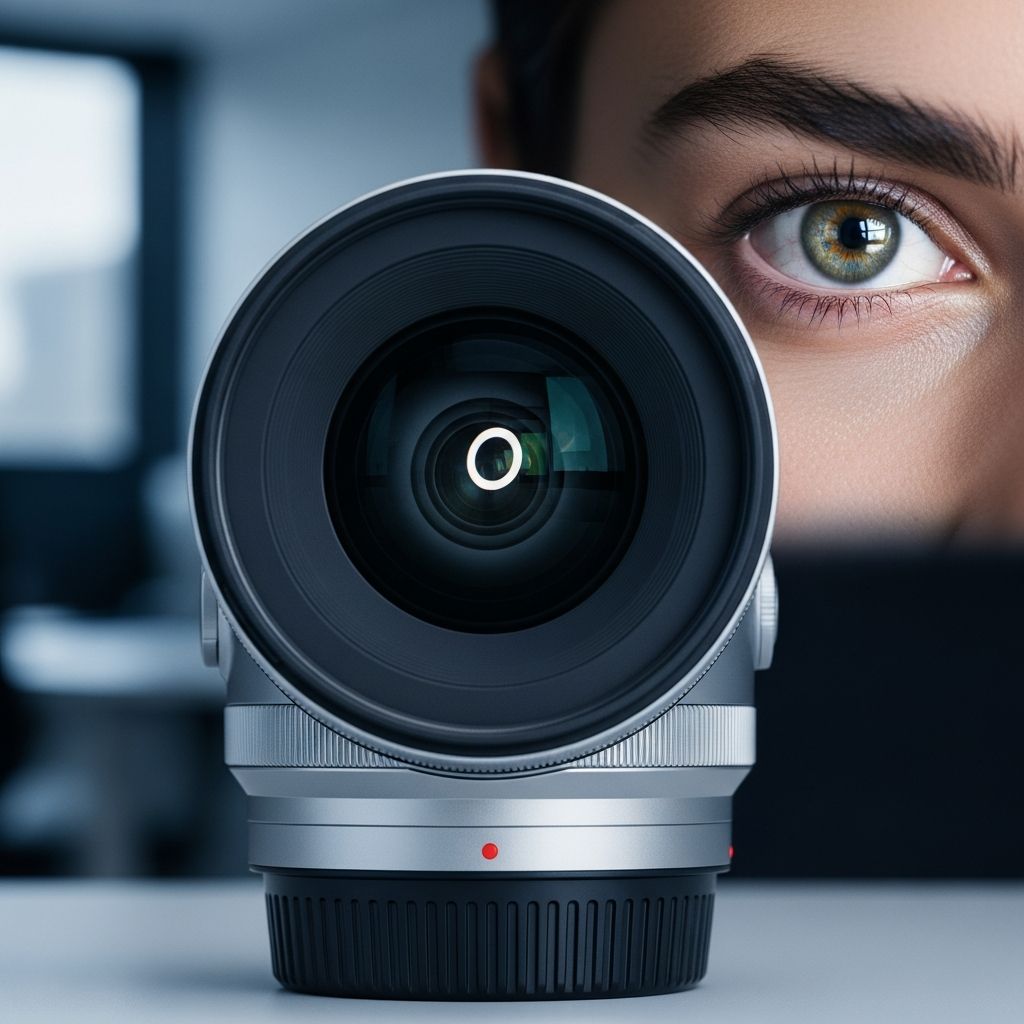
The moment you enter a room, you communicate without uttering a single word. Your clothing, posture, grooming habits, and facial expressions create an immediate narrative about who you are and what you stand for. Understanding and strategically managing this visual dimension of your identity can fundamentally transform how others perceive you and, more importantly, how you perceive yourself.
Understanding the Psychological Foundation of Appearance
The relationship between appearance and self-perception creates a powerful feedback loop that influences nearly every aspect of your life. When you invest time and effort into maintaining a polished, well-groomed appearance, you are not simply following social conventions—you are actively shaping your psychological state. Research in social psychology demonstrates that individuals who feel satisfied with their appearance tend to exhibit greater confidence, take more interpersonal risks, and engage more actively in social and professional environments.
Conversely, dissatisfaction with one’s appearance can create barriers to success. When people feel insecure about how they look, they often exhibit lower self-esteem, withdraw from social interactions, and hesitate to pursue opportunities that require visibility or public engagement. This psychological dimension explains why personal appearance extends far beyond vanity—it touches on fundamental aspects of self-worth and psychological well-being.
Several interconnected factors shape how you perceive your own appearance:
- Environmental and cultural influences: Media representation, social media algorithms, peer groups, and cultural norms establish beauty standards that inevitably influence your self-image. What is considered attractive, professional, or appropriate varies dramatically across cultures and contexts.
- Historical personal experiences: Compliments, criticisms, and social feedback you have received throughout your life create neural pathways that inform your current self-image. A single cutting remark from childhood can influence appearance-related confidence decades later.
- Personality predispositions: Certain personality types demonstrate heightened sensitivity to appearance-related concerns, with some individuals naturally more attuned to their visual presentation than others.
The Science Behind First Impressions and Visual Communication
First impressions occur with remarkable speed—often within the first few seconds of meeting someone. During this micro-interaction, observers process an extraordinary amount of visual information, forming judgments about trustworthiness, competence, intelligence, and social status. This rapid assessment system evolved because it served genuine adaptive functions: the ability to quickly identify threats or allies could literally mean survival.
Your appearance communicates far more than fashion choices. When you present yourself with a polished, intentional appearance, you signal to others that you respect them, take the interaction seriously, and exercise self-discipline. Professional clothing, neat grooming, and appropriate body language collectively suggest reliability and competence. These visual signals create what researchers call the “attractiveness halo effect,” where individuals with more polished appearances are perceived as possessing multiple positive traits—including intelligence, honesty, and leadership capability—even when no evidence supports these assumptions.
This effect, while sometimes unfair, reflects how deeply appearance influences social outcomes. The same resume paired with an attractive photograph receives more callbacks than the identical resume with a less conventionally attractive photo. The same argument presented by someone in professional attire carries more perceived weight than the same argument presented by someone in casual clothes. These are not products of individual bias—they reflect deeply rooted psychological patterns that operate largely outside conscious awareness.
Decoding Non-Verbal Communication Through Body Language
Your appearance extends beyond what you wear or how you groom yourself. The way you move through physical space communicates volumes about your internal state and personality. Body language encompasses several interconnected elements:
- Postural alignment: Whether you stand tall with shoulders back or slouch forward signals confidence or uncertainty. Upright posture is universally associated with greater confidence and competence, while collapsed posture suggests insecurity or lack of engagement.
- Gestural patterns: Purposeful gestures that accompany speech enhance communication and suggest confidence, while excessive or fidgety movements suggest nervousness or discomfort.
- Facial expressions: Your face betrays your emotional state constantly. A genuine smile, appropriate eye contact, and expressive features suggest warmth and authenticity, while a frozen or fearful expression undermines your verbal message.
- Spatial awareness: How you position yourself relative to others and how you use physical space communicates respect, confidence, and social comfort.
Under pressure or stress, these behavioral patterns become exaggerated. When nervous, people often exhibit more pronounced versions of their anxiety signals—fidgeting increases, speech becomes rapid and less articulate, and facial expressions tighten. Understanding your personal patterns under stress allows you to consciously moderate these signals and maintain composure in high-stakes situations.
Contextual Flexibility: Appearance Across Different Environments
Effective personal presentation is not about adopting a single rigid identity across all contexts. Instead, it requires understanding the distinct communication requirements of different environments and adjusting your appearance accordingly. A weekend casual lunch with friends calls for entirely different attire than a job interview or formal business presentation.
Consider these context-dependent scenarios:
| Context | Appearance Priorities | Communication Goal |
|---|---|---|
| Professional workplace | Business-appropriate clothing, neat grooming, polished accessories | Demonstrate competence and reliability |
| Casual social gathering | Comfortable yet intentional clothing, relaxed grooming standards | Appear approachable and authentic |
| Public speaking engagement | Formal attire, elevated grooming, confident body language | Command authority and audience respect |
| Creative industry environment | Stylish, expressive clothing choices, personality-driven grooming | Demonstrate creativity and individuality |
| Client-facing interaction | Professional clothing, conservative styling, impeccable grooming | Build trust and credibility |
The principle underlying this flexibility is that appearance serves communication. Your visual presentation should always align with the message you intend to convey in that specific context. This is not about inauthenticity—it is about communicating respect for the situation and its participants.
The Confidence Amplification Cycle
One of the most powerful benefits of maintaining a polished appearance is its effect on self-confidence. When you look your best, you feel more capable and self-assured. This is not mere psychology—it has measurable effects on performance. Students who dress professionally for exams score higher than the same students taking exams in casual clothing. Job candidates who invest in appropriate interview attire receive more offers. Public speakers who dress formally deliver more compelling presentations.
This confidence amplification creates a virtuous cycle: improved appearance enhances confidence, elevated confidence improves performance, better performance produces tangible results, and these results further reinforce confidence. Over time, this cycle compounds, leading to genuine improvements in various life domains.
Grooming as an Investment in Self-Care
Personal grooming transcends superficial concerns. The act of grooming—bathing, haircare, skincare, clothing selection—represents intentional self-investment. This practice serves multiple psychological functions:
- It signals to your unconscious mind that you deserve care and attention, reinforcing self-worth.
- It creates structure and ritual, which has documented benefits for mental health and emotional regulation.
- It provides a practical outlet for self-expression, allowing you to communicate aspects of your personality and values.
- It produces the tangible reward of improved appearance, creating immediate positive feedback.
Establishing consistent grooming habits need not be time-consuming or expensive. Simple practices—maintaining clean, well-organized clothing; dedicating time to personal hygiene; regular haircuts; and basic skincare—create noticeable improvements without requiring luxury products or excessive time investment.
Navigating the Intersection of Authenticity and Presentation
A common concern about emphasizing personal appearance is that it compromises authenticity. This concern reflects a false dichotomy. Your appearance is not separate from your authentic self—it is one legitimate form of self-expression. Just as you might choose different conversation topics with your grandmother versus your colleagues, it is entirely authentic to adjust your appearance across contexts.
The key distinction is between strategic presentation and deceptive presentation. Strategic presentation means understanding context and communicating your best self appropriately. Deceptive presentation means intentionally misleading others about your actual qualities or intentions. Most people can readily distinguish between these approaches.
In fact, the effort you invest in your appearance demonstrates honesty about the value of the interaction or relationship. When you show up well-groomed and appropriately dressed for an important meeting, you communicate that you take the interaction seriously and respect the other participants. This is not deception—it is consideration.
Overcoming Appearance-Related Insecurity
For individuals struggling with appearance-related insecurity, understanding the psychological mechanisms can provide a pathway forward. Remember that appearance perception involves significant overgeneralization. People often make sweeping judgments about intelligence, character, and capability based on superficial visual information. These judgments frequently prove inaccurate.
Rather than accepting these potentially false judgments, you can work to manage both the actual appearance factors within your control and your psychological response to appearance concerns. Focus on:
- Identifying specific, changeable aspects of appearance you can improve through grooming, clothing choices, or fitness efforts.
- Challenging distorted thoughts about appearance that exceed what others actually perceive or think.
- Recognizing that appearance preferences are culturally constructed and diverse—no single appearance type is objectively “correct.”
- Building self-worth on a broader foundation than appearance alone, including competence, kindness, humor, and values.
Strategic Appearance Development Across Life Stages
Your appearance strategy should evolve as you move through different life phases. The professional appearance investments that serve a corporate environment may differ from those appropriate for entrepreneurship, academic settings, or career transitions. Periodically reassessing your appearance choices ensures they continue supporting your current goals rather than reflecting outdated phases of your life.
This periodic review should consider current role requirements, personal values, lifestyle changes, and evolving professional goals. Someone transitioning from a conservative finance position to a creative leadership role might intentionally shift their appearance strategy to better reflect their new environment and role.
Frequently Asked Questions
How quickly do people form judgments based on appearance?
Research indicates that initial appearance-based judgments occur within seconds of meeting someone. While these first impressions are rapid, they are also subject to revision as people gather additional information through interaction.
Can appearance really impact professional opportunities?
Yes. Social science research demonstrates that physical appearance significantly affects workplace outcomes, including hiring decisions, promotions, and salary negotiations. This effect operates largely unconsciously but produces measurable differences in career trajectories.
What is the “halo effect” and why does it matter?
The halo effect describes the tendency to assume that people with attractive or polished appearances possess multiple positive traits—intelligence, honesty, competence—beyond what their appearance actually indicates. Understanding this effect helps explain why appearance carries such significant social weight.
How can I adjust my appearance for different contexts?
Effective contextual adjustment requires understanding what message each environment requires. Research the dress code, observe how similar professionals present themselves, and choose clothing and grooming that communicate competence and respect for the specific situation.
Does emphasis on appearance contradict being authentic?
Strategic appearance management and authenticity are not opposing forces. Just as you adapt your conversation style across contexts, adapting appearance demonstrates consideration and respect. Authenticity means being honest about your intentions and qualities, not disregarding context.
Conclusion: Integrating Appearance Into Your Complete Presence
Your appearance represents one dimension of your overall presentation to the world. While it is neither your entire identity nor the sole determinant of success, research consistently demonstrates its meaningful impact on self-perception, confidence, and how others perceive your competence and character. By understanding the psychological mechanisms underlying appearance perception and strategically managing your visual presentation, you position yourself to communicate more effectively, experience greater confidence, and create more favorable first impressions across personal and professional contexts. The investment in appearance is ultimately an investment in your own psychological well-being and your capacity to pursue your goals effectively.
References
- Personal Appearance: Enhancing Confidence and Impact — Finally. 2024. https://finally.com/blog/tax-hints/personal-appearance/
- Social Psychological Face Perception: Why Appearance Matters — National Center for Biotechnology Information (NCBI). 2009. https://pmc.ncbi.nlm.nih.gov/articles/PMC2811283/
- Personal Appearance – Skills You Need — Skills You Need. https://www.skillsyouneed.com/ips/personal-appearance.html
- How Does Appearance Affect Our Success? — University of Nevada, Nevada Today. 2019. https://www.unr.edu/nevada-today/news/2019/atp-appearance-success
- Personal Appearance in Public Speaking — Social Science LibreTexts. https://socialsci.libretexts.org/Bookshelves/Communication/Public_Speaking/Public_Speaking_(Lumen_Learning)/08:_Delivering_Your_Speech/8.07:_Personal_Appearance

- Integrated M.A. in Applied Linguistics, University of Hyderabad
- 5+ years in editorial, instructional, SEO, and research-based writing
Sneha is a relationships and lifestyle writer with a strong foundation in applied linguistics and certified training in relationship coaching. She brings over five years of writing experience to theskillvault, crafting thoughtful, research-driven content that empowers readers to build healthier relationships, boost emotional well-being, and embrace holistic living. Her writing and insights reflect the belief that beauty, happiness, and wellness…